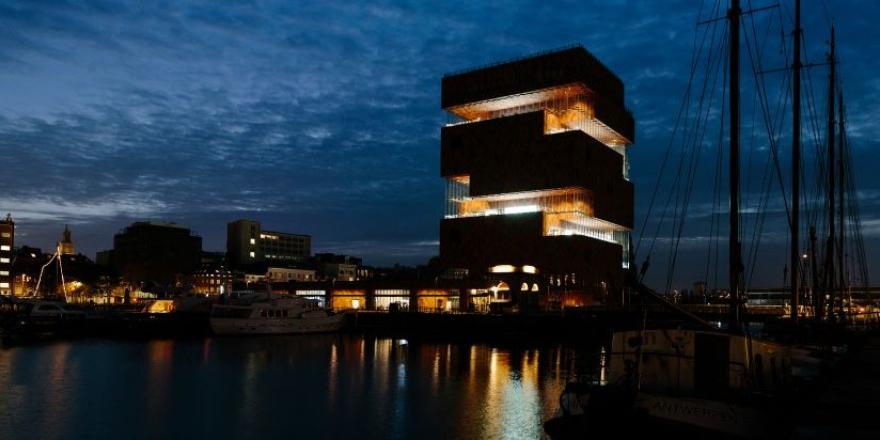
On this tour, you'll learn the story behind this exceptional building and its collections and exhibitions. Experience the encounters that the river and the port have brought about for centuries.
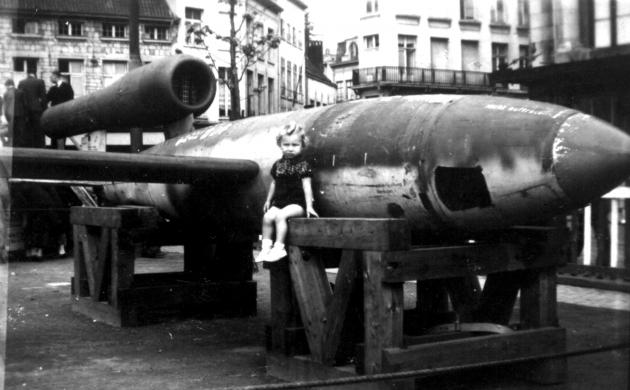
In the MAS pavilion, you can see where V-bombs fell on Antwerp and the scars they have left behind, by means of photographs, first-person testimonies and maps. You can even see a real V1-bomb from the MAS collection.
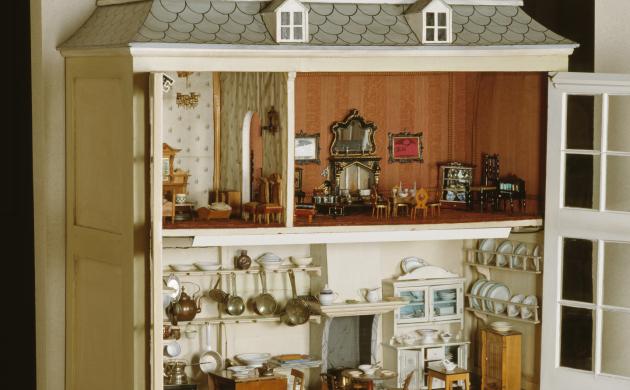
In preparation for the family exhibition Anybody home?, the MAS had a 19th-century wooden dollhouse restored. The house and its furnishings were carefully refurbished.
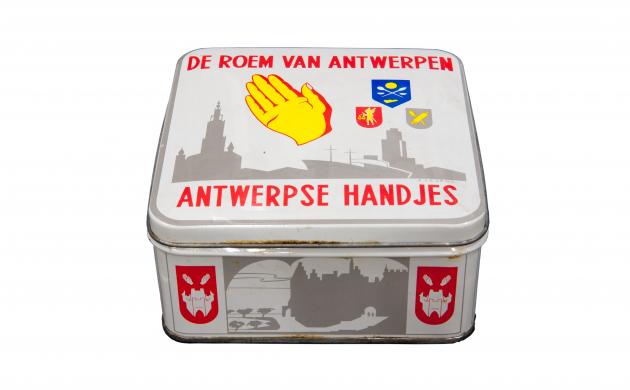
The Antwerp Hand biscuits are the most well-known tourist souvenir from the city. In the MAS collection, we find many packagings of the biscuits. However, behind the scenes of the little biscuit, there is more than one story to tell.
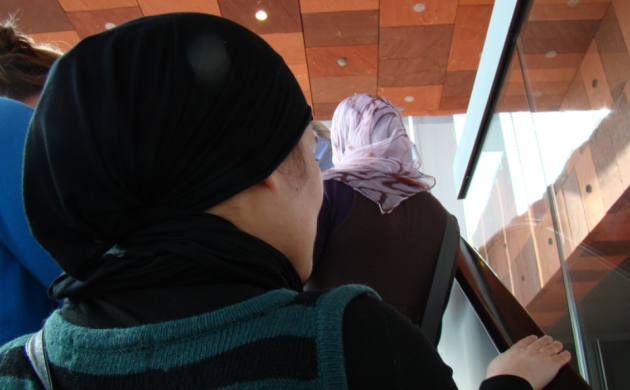
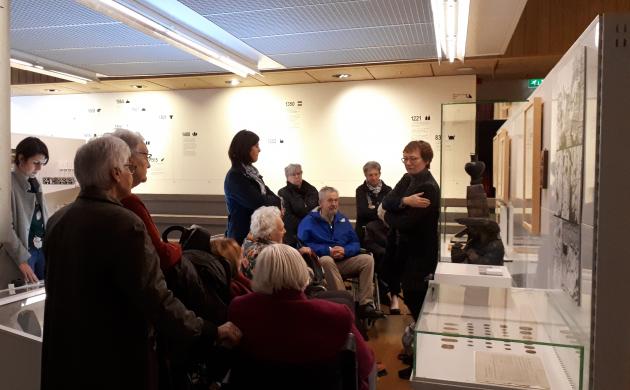
MAS strives to be as accessible and inclusive a place as possible. How do we welcome less mobile visitors, people with hearing or visual impairments, or those with autism spectrum disorders?
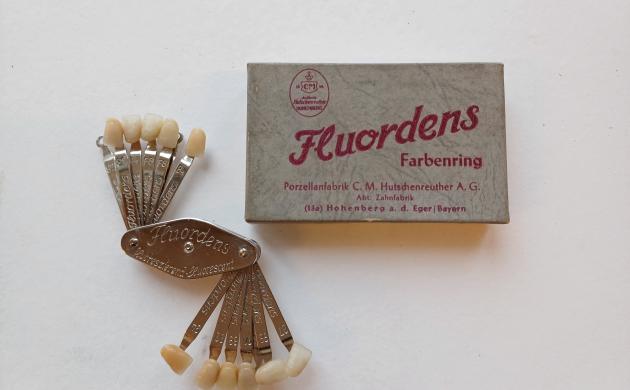
In 2024, we selected a dental collection to perform a valuation on. There was no knowledge within the MAS about the provenance and history of this collection. It was not clear whether these objects had a place within the collection plan.
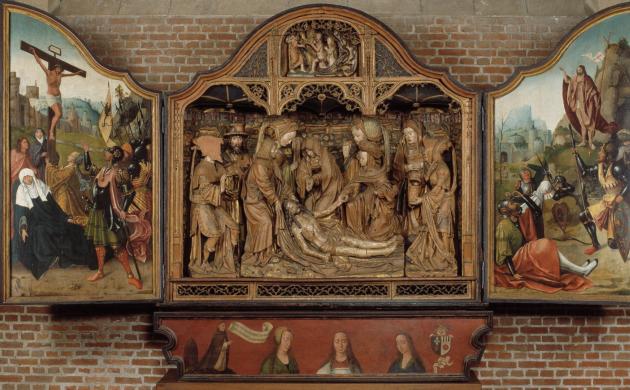
In 1873, the Antwerp Museum of Antiquities purchased a 16th-century retable of the Averbode Abbey, depicting the Lamentation of Christ. 150 years later, it is given on long-term loan to the abbey and thus returns home.
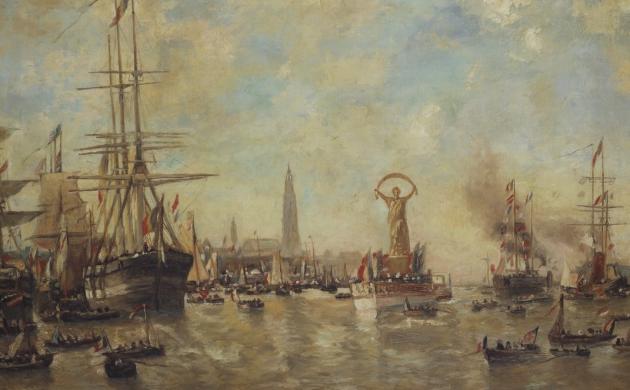
The freeing of the Scheldt was a landmark event in Flemish history. In mid-1863, Antwerp celebrated that after more than 250 years, merchant shipping on the Scheldt was truly free again. A telling painting of this ‘Scheldt Free!’ celebration from the MAS collection can be seen in our Visible Storage.
The exhibition brings together more than 150 objects across 5 themes. Behind each object lies a unique story. We give you a selection of remarkable pieces.