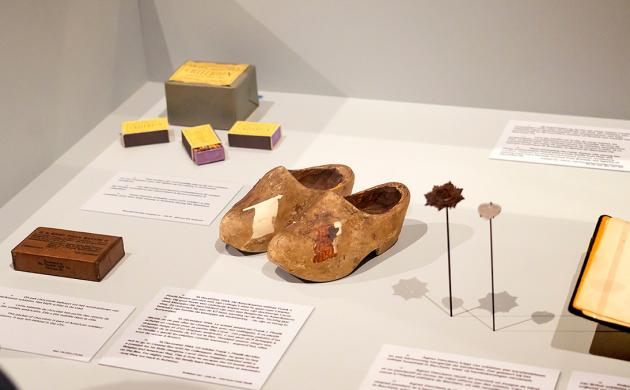
V-bombs hit Antwerp hard in the winter of 1944-45. The blast at Cinema Rex was the deadliest bomb strike in history. The City at War exhibition features a large V1 practice bomb, surrounded by small, personal souvenirs. They show how deeply the attacks affected the lives of residents.
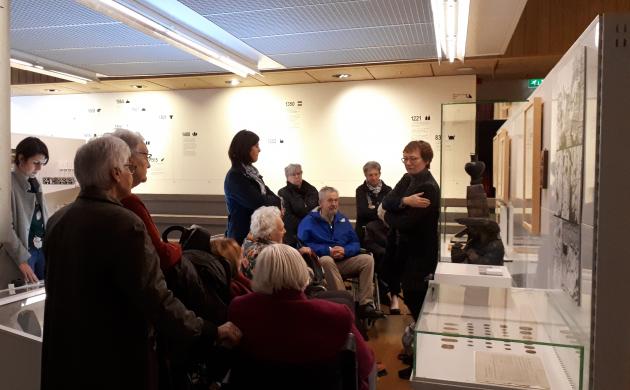
MAS strives to be as accessible and inclusive a place as possible. How do we welcome less mobile visitors, people with hearing or visual impairments, or those with autism spectrum disorders?
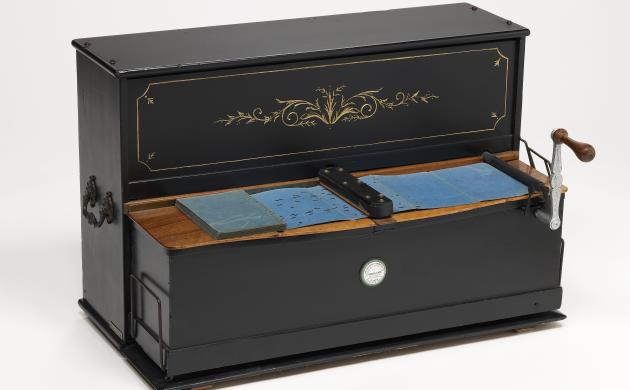
Except for a dozen or so loans, all the pieces on display in the exhibition come from the MAS collection. The objects have been chosen for what they portray, their significance or their (historical) story.
Are you planning a visit to the MAS? Then go through some practical information first. Ticket prices? Opening hours? How to get there? Accessibility? Food and beverages? You'll find it here!
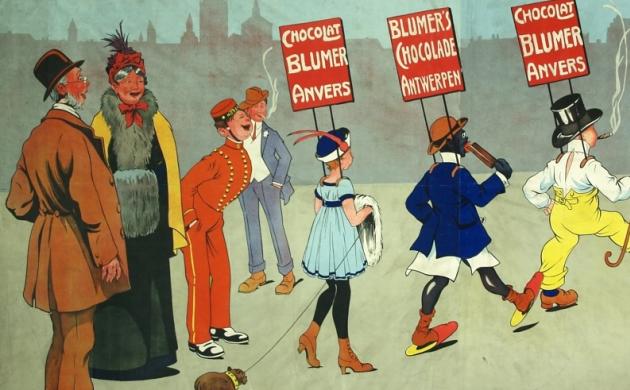
CLOSED - The MAS | Visible Storage displayed hidden gems from the MAS collection and from private collections in the exhibition ‘Chocolate Secrets’. A surprising exhibition about the origins of cocoa and how it has been enjoyed in Antwerp for five centuries.
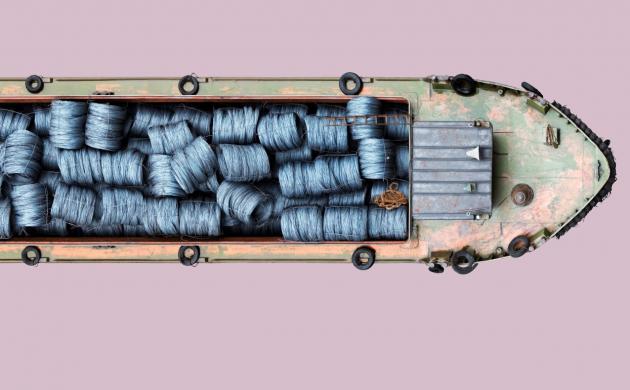
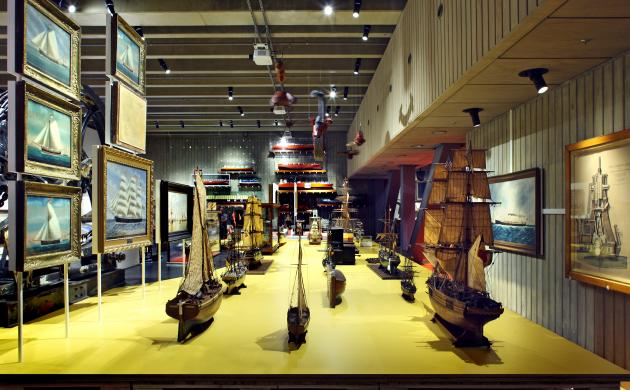
In 2020, Antwerp Shipping Company CMB (Compagnie Maritime Belge) celebrated its 125th anniversary. An ideal occasion to reflect on Antwerp as a maritime city. How did the various shipping companies and nations develop?
A photography project by Heleen Peeters. She immersed herself in the horse (meat) culture around the world. The photographs raised questions: What determines the status of the horse? How is it that traditions change? And what if the same thing happened to other animals?
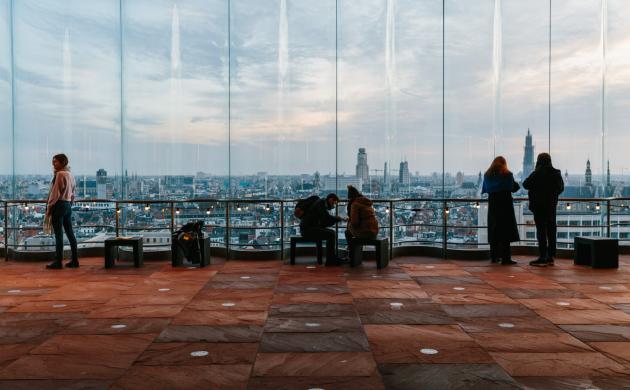
Antwerp, a metropolis on the river. That's how you know the city today. In the MAS you'll discover that this has been true for a long time. A collection of 500,000 pieces offers you a refreshing look at the city and its contact with other cultures.
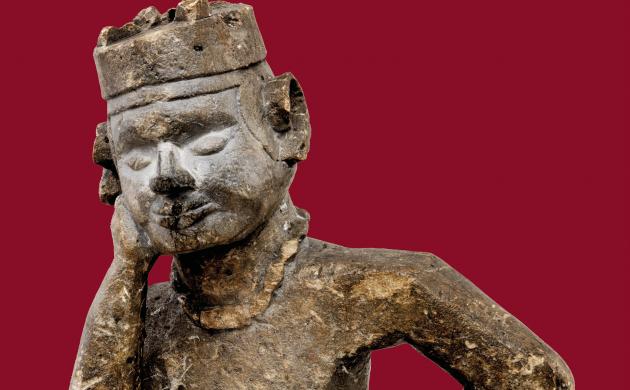
The exhibition ‘100 x Congo’ features one hundred unique highlights from our Congolese collection. What stories are hidden behind the objects? How did they end up here? What did they mean to Congolese peoples? And what about the African presence in Antwerp?