Except for a dozen or so loans, all the pieces on display in the exhibition come from the MAS collection. The objects have been chosen for what they portray, their significance or their (historical) story.
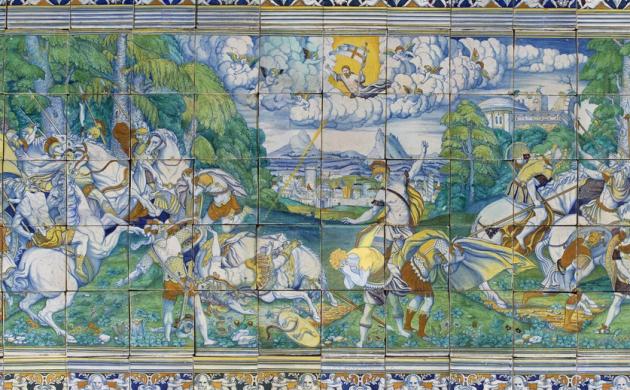
The tile tableau from 1547 is a rare witness to early majolica production in Antwerp, a typical Renaissance phenomenon. The Saulus tableau is a piece of indispensable cultural heritage for Flanders.
CLOSED - "The corner shop" highlighted the colourful history of Antwerp's shops and shopkeepers in the MAS boulevard. MAS asked photographer Sanne De Wilde to find out more about the people who run local shops in the city today. The result was a colourful and diverse portrait series. Combined with old photos, the exhibition showed the human face behind the corner shops of the city since the Fifties.
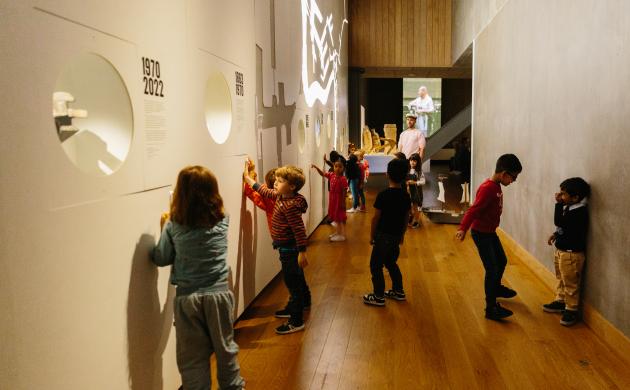
The MAS for children? That is a 10-floor adventure from one surprise to another. With a special, customised package we ensure that your child has a great day.
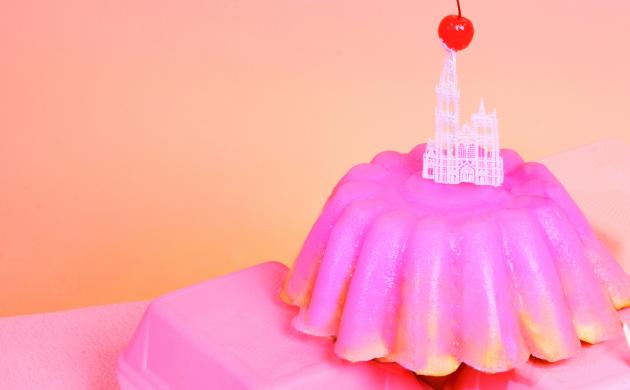
The exhibition reveals the intimate relationship between the city and food, from the sixteenth century to the distant future. Follow the trail of food in the city and find out how what we eat has left its mark on the map of Antwerp.
Students will discover the traces that the world has left in Antwerp and the traces that Antwerp has left in the rest of the world, thanks to the port.
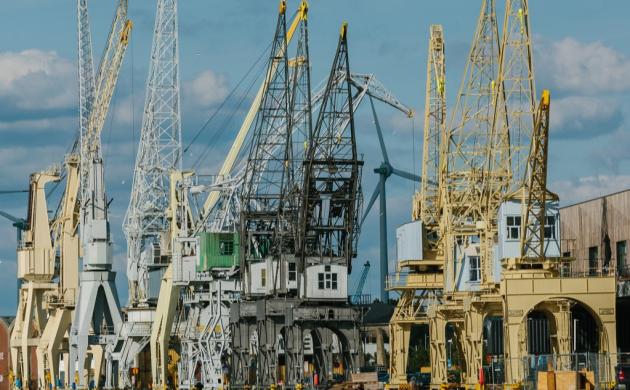
The MAS' largest and most impressive collection pieces can be seen on the Scheldt quays. And just in front of the MAS, you almost bump into the showpiece of our collection.
EDIBLE is Belgium’s first food design festival. Participants discover how food, art, design and culture come together through exhibitions, talks and unexpected experiences. MAS hosts the festival for 2 days.
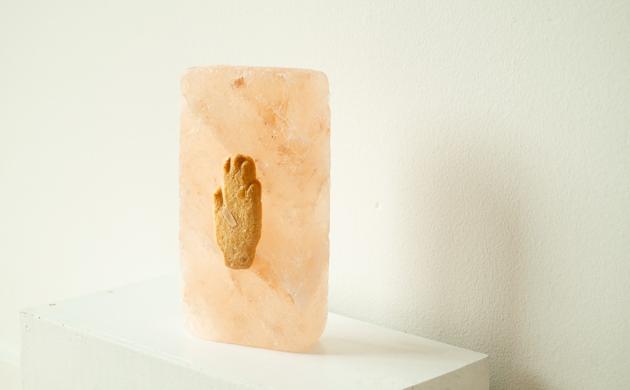
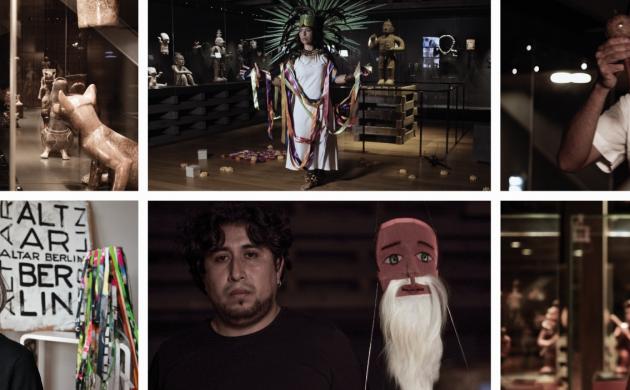
Since 2012, the Mestizo Arts Platform (MAP) collective has been maintaining and renewing the Altar of Antwerp: a participatory installation that invites us to reflect on the meaning of 'what we have lost' in the city. This has been a part of the MAS' permanent collection since 2017.