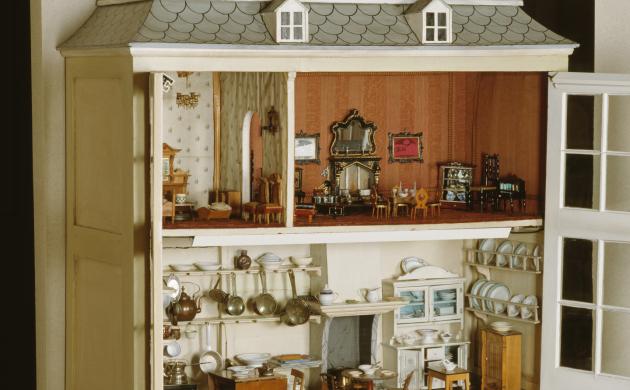
In preparation for the family exhibition Anybody home?, the MAS had a 19th-century wooden dollhouse restored. The house and its furnishings were carefully refurbished.
CLOSED - "The corner shop" highlighted the colourful history of Antwerp's shops and shopkeepers in the MAS boulevard. MAS asked photographer Sanne De Wilde to find out more about the people who run local shops in the city today. The result was a colourful and diverse portrait series. Combined with old photos, the exhibition showed the human face behind the corner shops of the city since the Fifties.
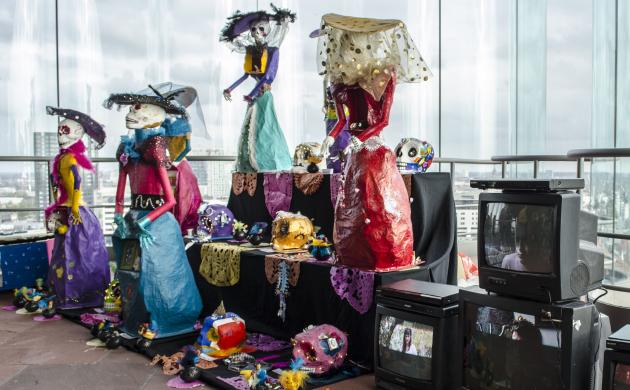
This year, we are creating the city's playlist for the Altar of Antwerp. This playlist will consist of songs that city residents bring in. Each song is linked to a moment, a person or a feeling that the participant wants to evoke.
Photographs show the people involved and the circumstances surrounding their emigration. Consequently, photography is an important source of information for the story of the Red Star Line.
Antwerp was a particularly popular port of emigration among Jews from Central and Eastern Europe. These people constituted a sizeable proportion of the Red Star Line’s passengers. The shipping company recruited its “customers” from deep within Eastern Europe.
CLOSED - Vive Napoléon?! From 1794 to 1814 Antwerp found itself under French rule. This brief period had a considerable impact on the city and on the lives of its inhabitants...
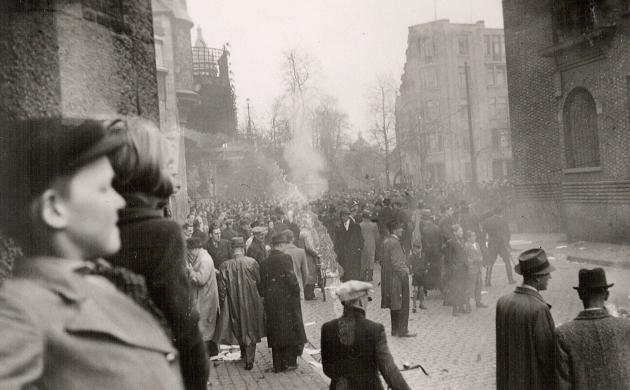
What does it mean to live in an occupied city? What choices did city residents make: flee, cooperate with the occupier or resist? The expo shows the impact of WWII on Antwerp and its inhabitants. What would you do? You'll find out together with the guide.