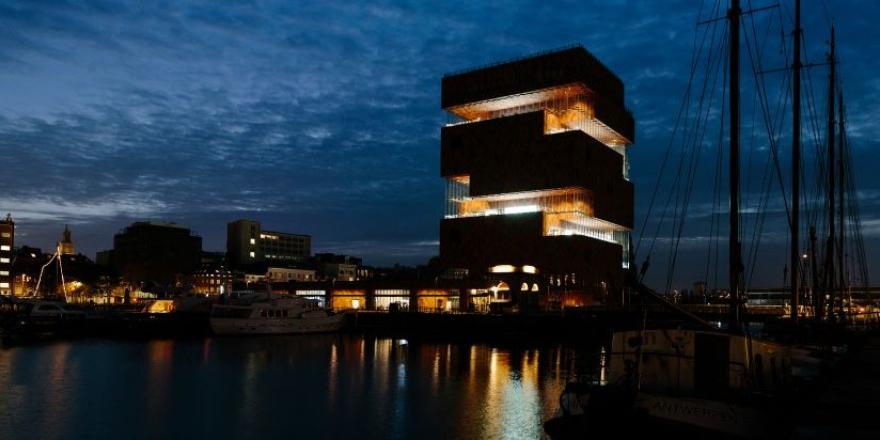
Portopolis is the perfect place to discover the port in a playful and interactive way. Immerse your class in the fascinating world of the port. Portopolis offers a free one-hour programme for both elementary and high schools.
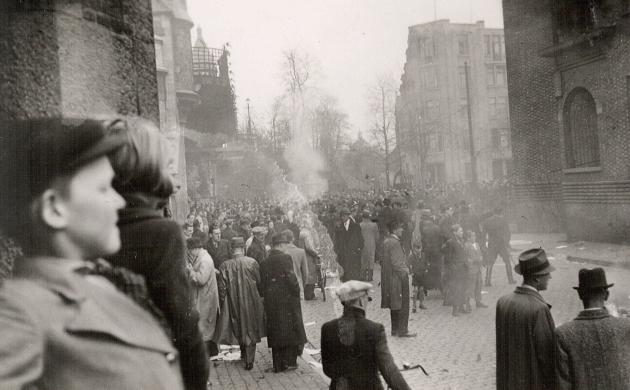
What does it mean to live in an occupied city? What choices did city residents make: flee, cooperate with the occupier or resist? The expo shows the impact of WWII on Antwerp and its inhabitants. What would you do? You'll find out together with the guide.
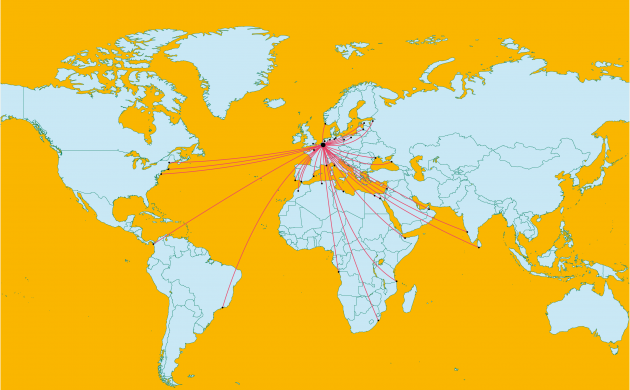
In 'Freight' you stop at various 'docks', each of which reveals a different part of the city's connection with world trade. A journey through the history of the port city. On view on the 6th floor.
Together with the MAS, theatre producer, writer and actor Dimitri Leue gathered stories from the collection and the city for the new exhibition 'Listen'. He wrote a compelling audio play that you can listen to in the exhibition. Tine Embrechts plays the role of Kameleonie.
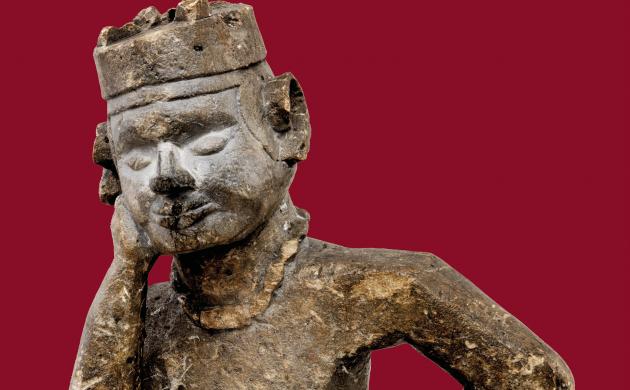
100 X Congo features one hundred highlights. What stories are hidden behind the objects? How did they end up here? What did they mean to Congolese peoples?
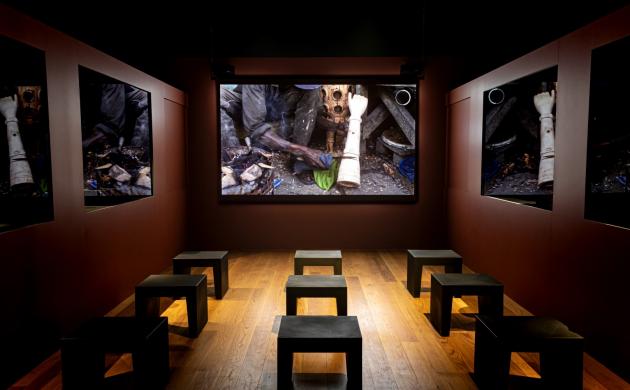
In the multimedia project 'In many hands' twenty-five people shine their light on the Congolese collection of the city of Antwerp. They speak about an object of choice from the one hundred highlights in the exhibition.
FREE ENTRANCE | The Visible Storage gives you a look behind the scenes of the MAS. More than 180,000 collection pieces on tall racks, stacked and labelled, await their turn to be exhibited.
Are you looking for a cultural teambuilding event for your employees? Check out our selection of tours and city walking tours. If you are also looking for an intercultural approach then a tour that highlights personal experiences is a possibility.
The exhibition '100 x Congo' focuses on one hundred unique Congolese works.What are the stories behind the Congolese objects? And how did they end up here? What was their significance to various Congolese peoples? And where lies the future of the collection?
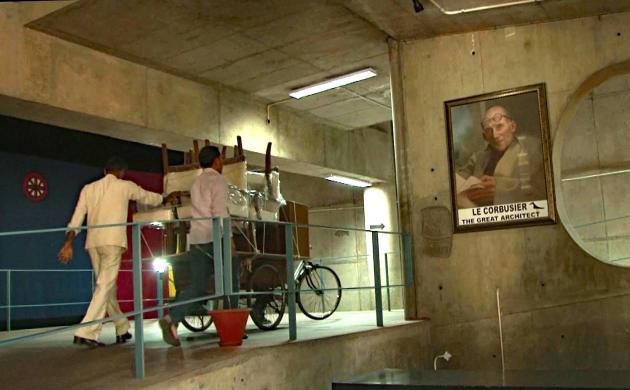
Thanks to the documentary by Christian Barani, during the exhibition, you will feel as if you are strolling through the streets of Chandigarh. Eight large screens show you how the current residents live in the carefully planned city, long after the architect is gone.