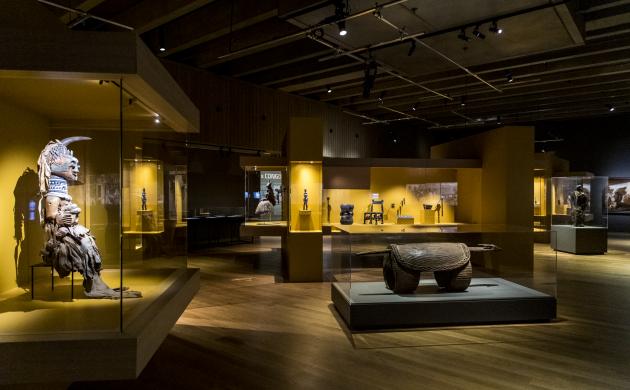
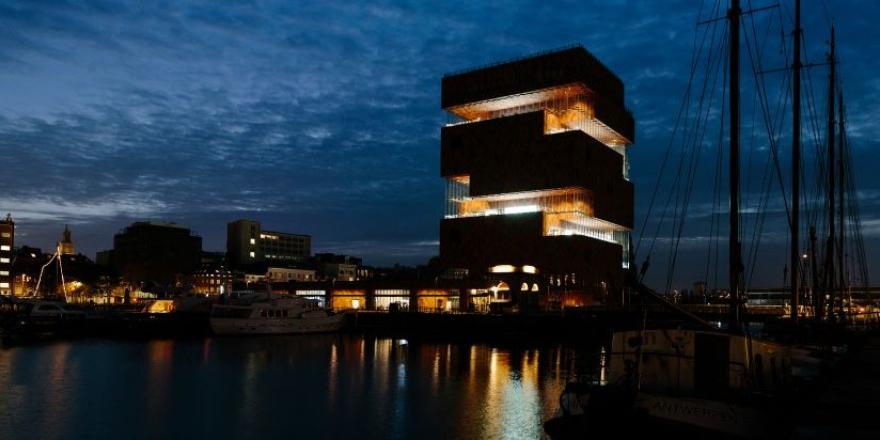
The MAS collection consists of more than 500,000 objects about art, cultural traditions and history of the city and port of Antwerp. But also of Europe, Asia, Africa, America and Oceania.
The Flemish non-profit organisation Sensoa donated its collection of quilts to the MAS. It consists of unique and personal canvases, each commemorating an AIDS victim. The creations are not limited to the traditional quilting (patchwork) technique. Some canvases were drawn or painted.
Mention of heritage in Antwerp immediately puts us in mind of the cathedral or a painting by Rubens. But the Reuzenstoet (Giants’ Parade) or an ancient tree are also part of our heritage, and the same is true of everything we have built up over the centuries in our society.
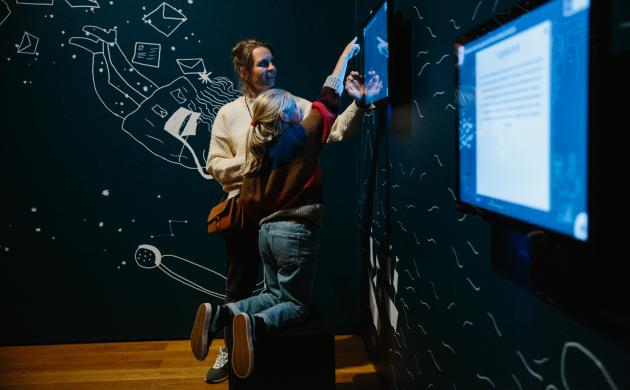
Since 2006, the museum has been researching methodologies for youth participation in museums. 2 analyses formed the basis for 'MAS in Jonge Handen'. After the 'Instinct' exhibition in 2019, the MAS looked back on the process and shared all its experiences in a brochure.
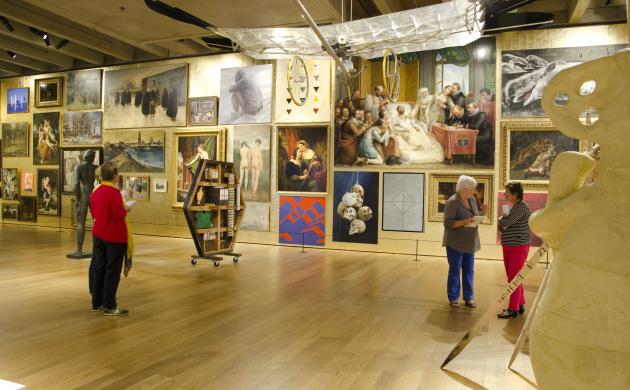
The Royal Academy for Fine Arts existed 350 years in 2013. At the same time, the renowned Fashion Department turned 50. That is why the whole of Antwerp was dominated by the Academy and the clash between contemporary artistic "violence" and historical heritage.
In this brochure, the MAS looks back on the process of MAS in Young Hands and shares all its experiences. A complete overview of its know-how is available online and free of charge.
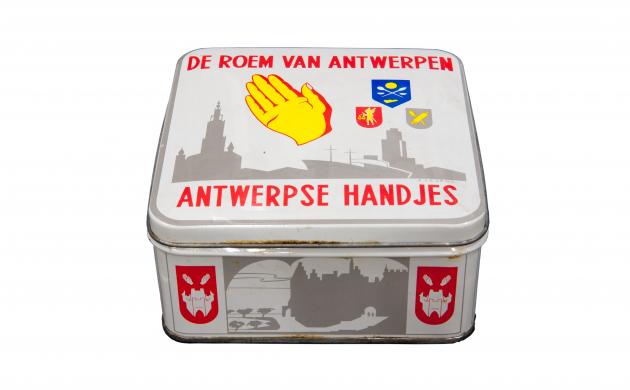
The Antwerp Hand biscuits are the most well-known tourist souvenir from the city. In the MAS collection, we find many packagings of the biscuits. However, behind the scenes of the little biscuit, there is more than one story to tell.
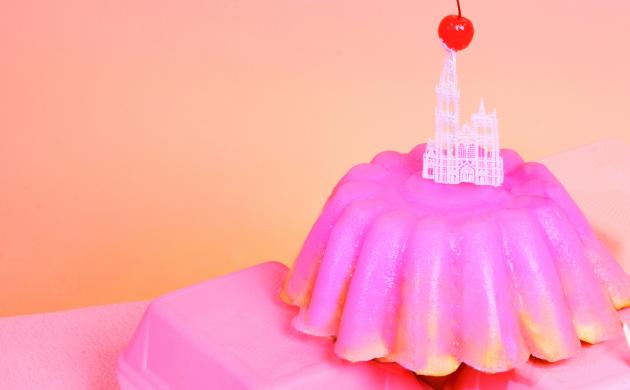
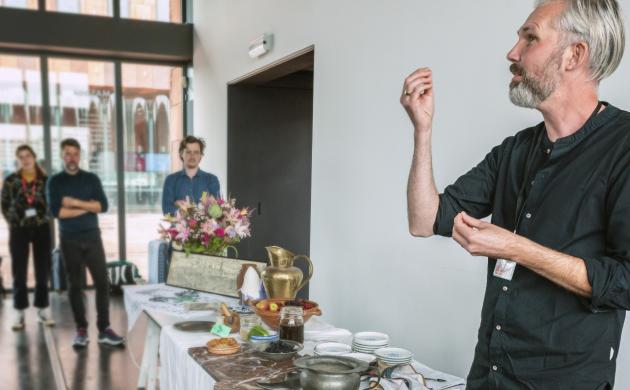
The exhibition reveals the intimate relationship between the city and food, from the sixteenth century to the distant future. Follow the trail of food in the city and find out how what we eat has left its mark on the map of Antwerp.