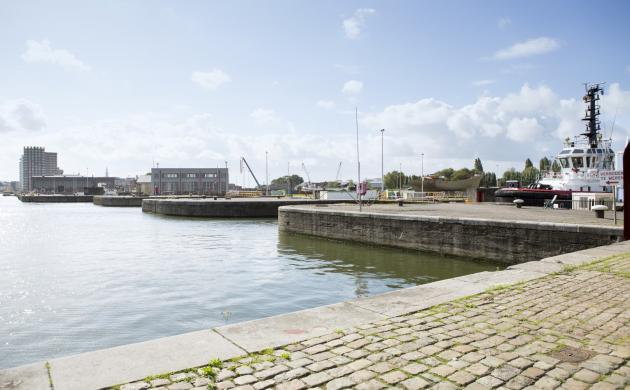
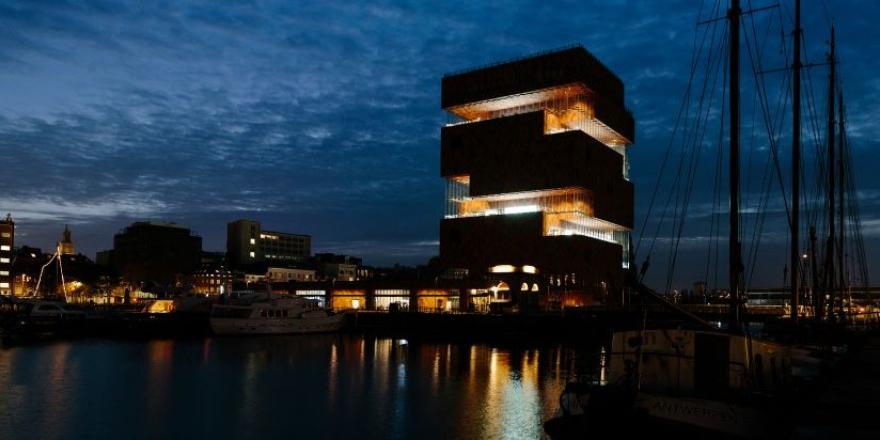
Along the frayed fault line between the city and port lies a raw and rusty area. For many Antwerp residents, this represents a blind spot on the map. However, this area oozes history linked to the once bustling in-city port.
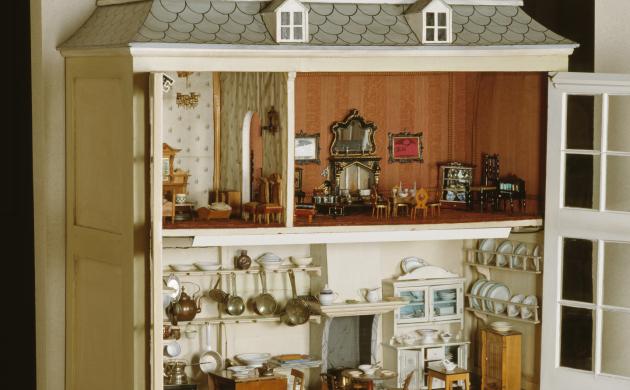
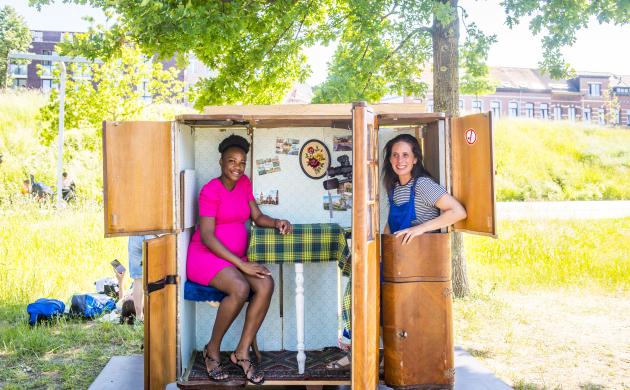
In preparation for the family exhibition Anybody home?, the MAS had a 19th-century wooden dollhouse restored. The house and its furnishings were carefully refurbished.
Except for a dozen or so loans, all the pieces on display in the exhibition come from the MAS collection. The objects have been chosen for what they portray, their significance or their (historical) story.
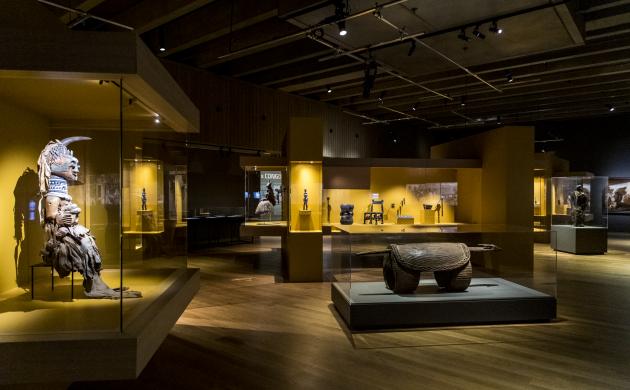
We are very proud to announce that the exhibition '100 x Congo. A century of Congolese art in Antwerp' has been chosen as 'International exhibition of the year' by the British Museums & Heritage Awards.
The MAS, together with a number of key partners, collected stories from Antwerper citizens about what a "home" means to them. A dozen families collaborated on the exhibition for a year.
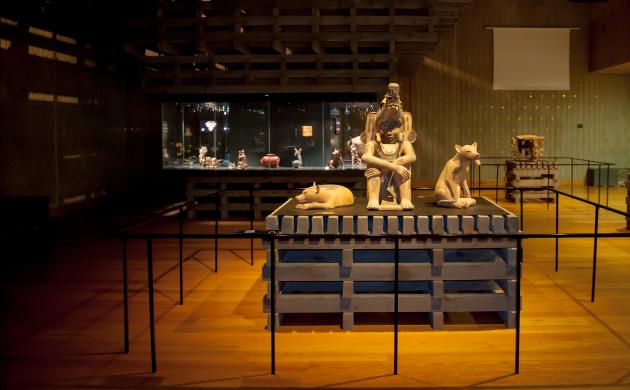
A world famous collection that tells us about the extraordinary relationship between man and the world of gods, ancestors and spirits in America before the conquest by the Europeans.
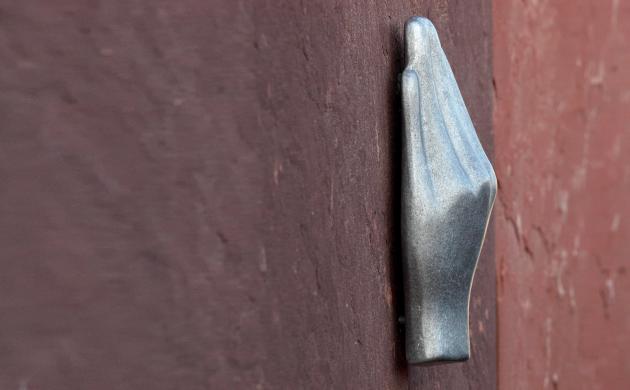
The legend of Brabo and Antigoon makes the hand the symbol of Antwerp. But the little hands on the facade are also a reminder of the many patrons who helped build the MAS.
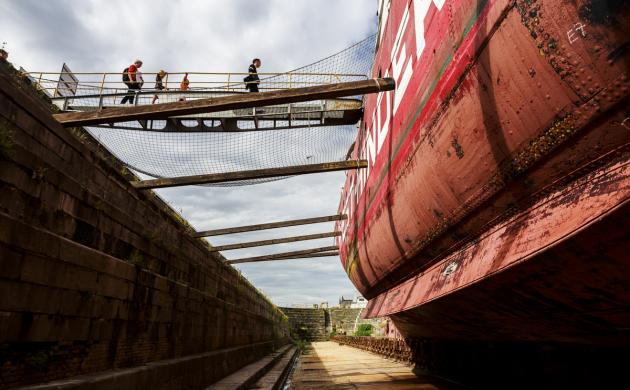
Just beyond the MAS lies the dry dock site: nine non active dry docks, former workshops for ship repairers, a pump house which is now a protected monument ... It now houses the MAS vessel collection.
As of October 30, 2021, the price of admission to the MAS will change. We will bring it in line with those of domestic and foreign museums. At the same time, the discount policy will be adjusted and become more transparent.
The exhibition '100 x Congo' focuses on one hundred unique Congolese works.What are the stories behind the Congolese objects? And how did they end up here? What was their significance to various Congolese peoples? And where lies the future of the collection?