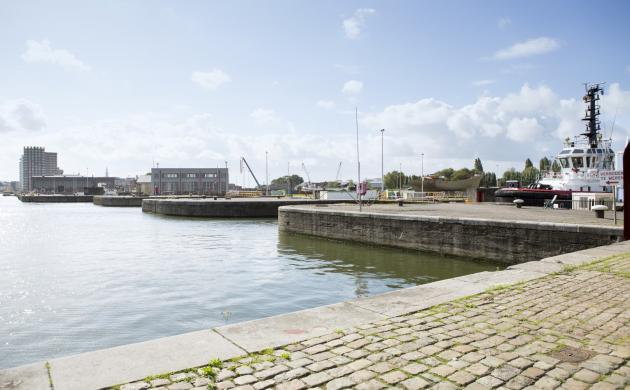
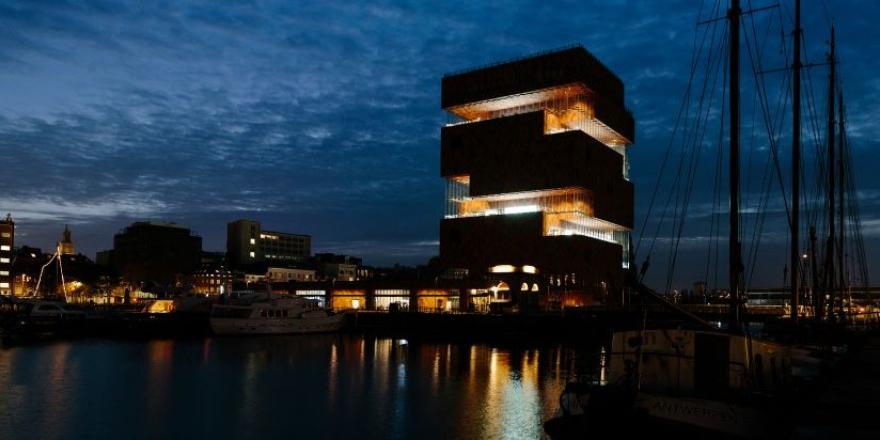
Along the frayed fault line between the city and port lies a raw and rusty area. For many Antwerp residents, this represents a blind spot on the map. However, this area oozes history linked to the once bustling in-city port.
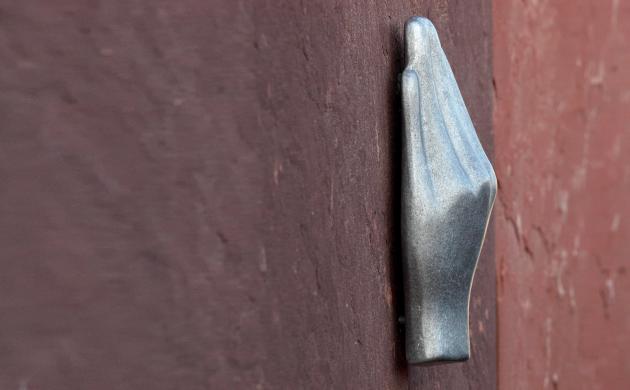
The legend of Brabo and Antigoon makes the hand the symbol of Antwerp. But the little hands on the facade are also a reminder of the many patrons who helped build the MAS.
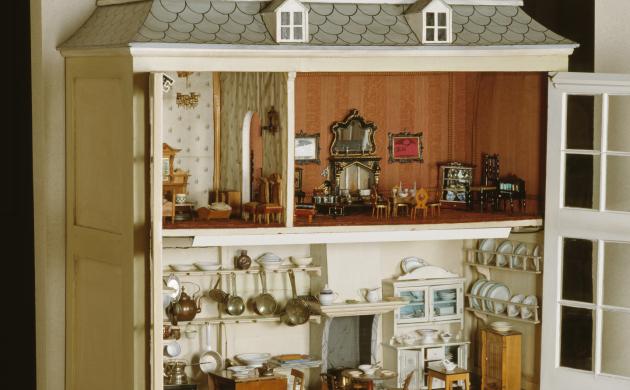
In preparation for the family exhibition Anybody home?, the MAS had a 19th-century wooden dollhouse restored. The house and its furnishings were carefully refurbished.
Photographs show the people involved and the circumstances surrounding their emigration. Consequently, photography is an important source of information for the story of the Red Star Line.
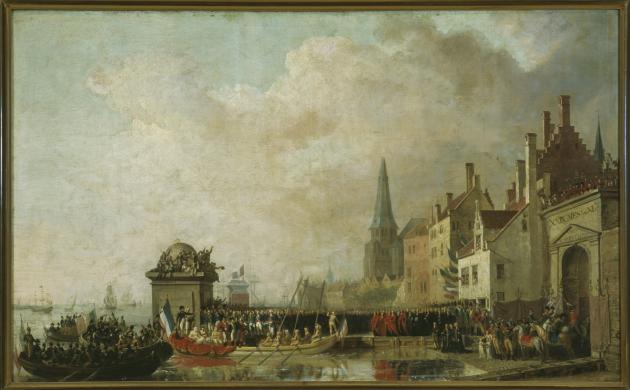
Napoleon's visit to Antwerp in 1803 was a high point for the city on the Scheldt. Joséphine de Beauharnais, Napoleon's wife, ordered a painting to immortalise the entry. This is a preliminary sketch for that.
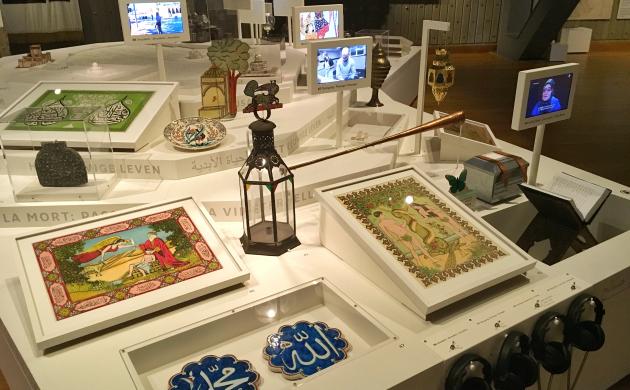
Except for a dozen or so loans, all the pieces on display in the exhibition come from the MAS collection. The objects have been chosen for what they portray, their significance or their (historical) story.
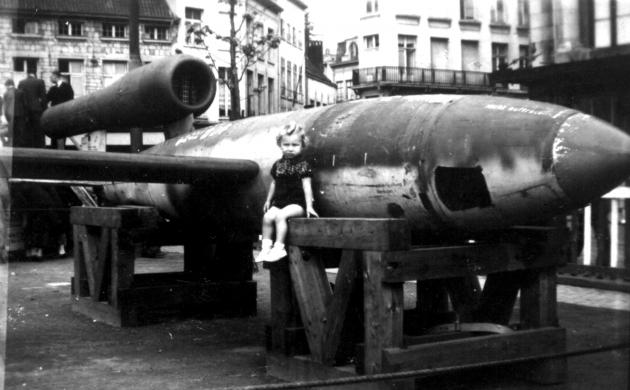
In the MAS pavilion, you can see where V-bombs fell on Antwerp and the scars they have left behind, by means of photographs, first-person testimonies and maps. You can even see a real V1-bomb from the MAS collection.
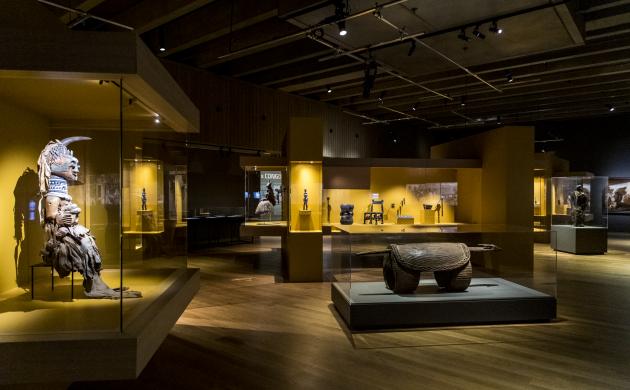
We are very proud to announce that the exhibition '100 x Congo. A century of Congolese art in Antwerp' has been chosen as 'International exhibition of the year' by the British Museums & Heritage Awards.