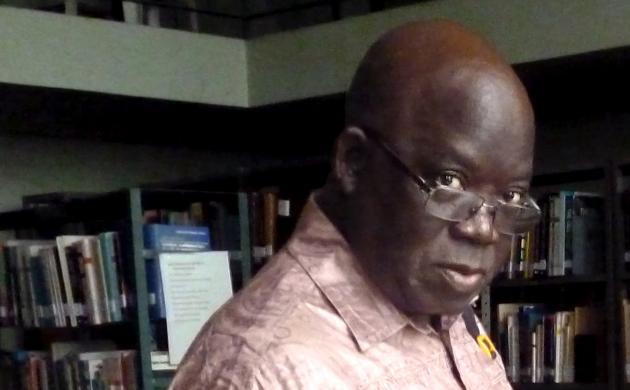
It is with fond memories and the utmost respect that the MAS says goodbye to Jacob Sabakinu Kivilu, an esteemed bridge-builder between Congolese and Belgian universities and museums.
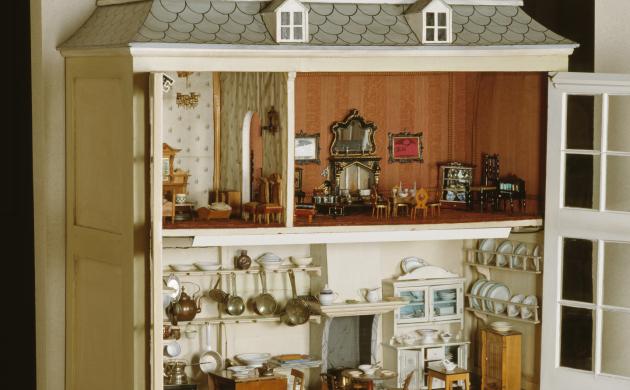
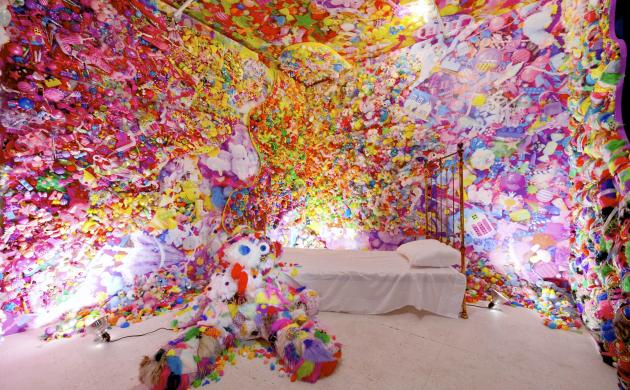
In preparation for the family exhibition Anybody home?, the MAS had a 19th-century wooden dollhouse restored. The house and its furnishings were carefully refurbished.
In addition to work by 18th-century artist Katsushika Hokusai, known as 'the Rembrandt of Japan', contemporary art was also well represented in the exhibition.
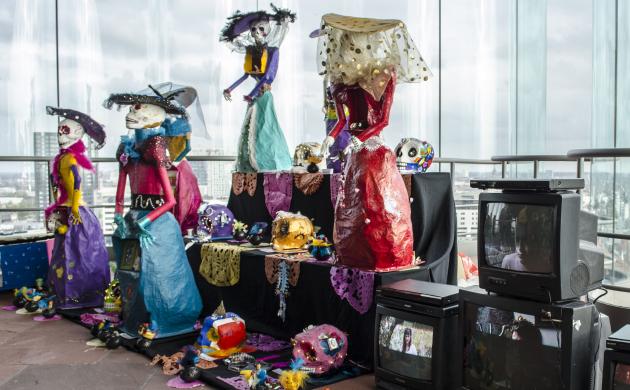
This year, we are creating the city's playlist for the Altar of Antwerp. This playlist will consist of songs that city residents bring in. Each song is linked to a moment, a person or a feeling that the participant wants to evoke.
Photographs show the people involved and the circumstances surrounding their emigration. Consequently, photography is an important source of information for the story of the Red Star Line.
Antwerp was a particularly popular port of emigration among Jews from Central and Eastern Europe. These people constituted a sizeable proportion of the Red Star Line’s passengers. The shipping company recruited its “customers” from deep within Eastern Europe.
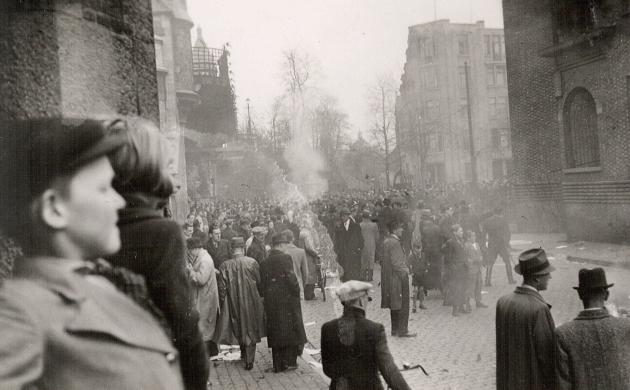
What does it mean to live in an occupied city? What choices did city residents make: flee, cooperate with the occupier or resist? The expo shows the impact of WWII on Antwerp and its inhabitants. What would you do? You'll find out together with the guide.