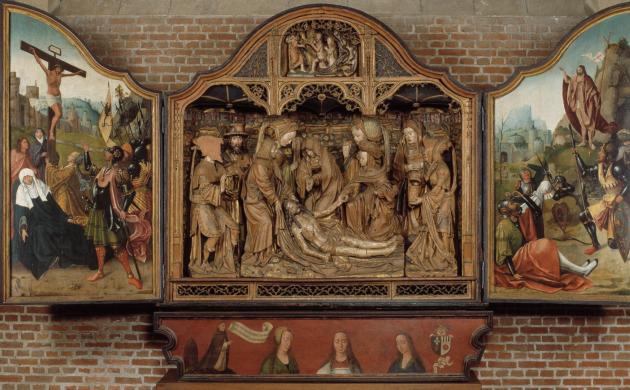
In 1873, the Antwerp Museum of Antiquities purchased a 16th-century retable of the Averbode Abbey, depicting the Lamentation of Christ. 150 years later, it is given on long-term loan to the abbey and thus returns home.
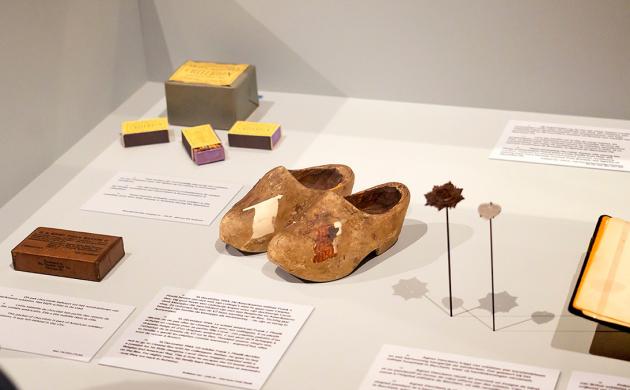
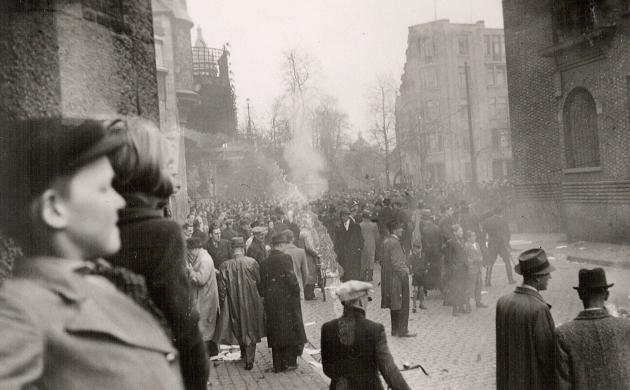
V-bombs hit Antwerp hard in the winter of 1944-45. The blast at Cinema Rex was the deadliest bomb strike in history. The City at War exhibition features a large V1 practice bomb, surrounded by small, personal souvenirs. They show how deeply the attacks affected the lives of residents.
Antwerp was a particularly popular port of emigration among Jews from Central and Eastern Europe. These people constituted a sizeable proportion of the Red Star Line’s passengers. The shipping company recruited its “customers” from deep within Eastern Europe.
What does it mean to live in an occupied city? What choices did city residents make: flee, cooperate with the occupier or resist? The expo shows the impact of WWII on Antwerp and its inhabitants. What would you do? You'll find out together with the guide.
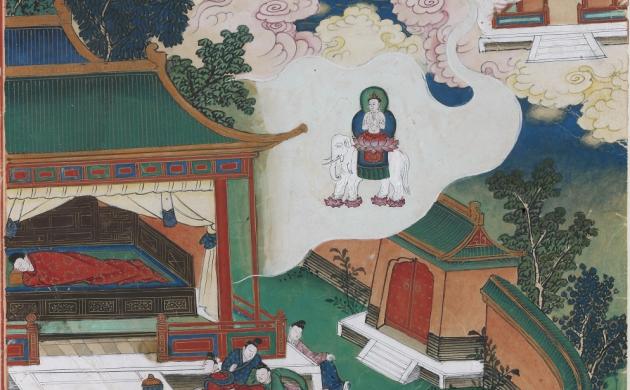
The 54 preserved miniatures in this series together form a visual guide for meditation on a mandala. This is a depiction of the cosmos, in this case with Sarvavid Vairocana – the most important of the five heavenly or dhyani Buddhas.
Japanese fashion also has a global impact. The exhibition showed how Japanese avant-garde fashion from the 1980s is still alive and well. Visitors were also exposed to Tokyo's colourful Cute Fashion.
The exhibition also tells the story of Antarctica today. You will find out how scientists are still conducting groundbreaking scientific research there. This topical part of the exhibition was created in collaboration with the International Polar Foundation.