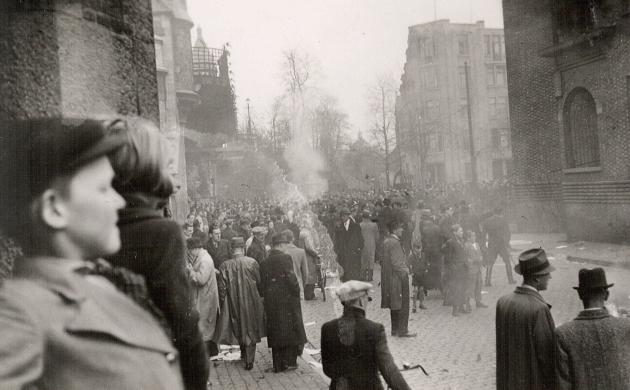
What does it mean to live in an occupied city? What choices did city residents make: flee, cooperate with the occupier or resist? The expo shows the impact of WWII on Antwerp and its inhabitants. What would you do? You'll find out together with the guide.
Military violence and mass persecution of Jews and dissenters during World War II broke the city. Personal stories and objects make this period very tangible in this new permanent MAS exhibition.
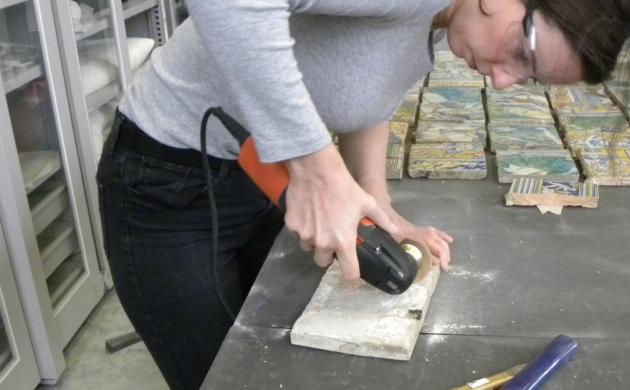
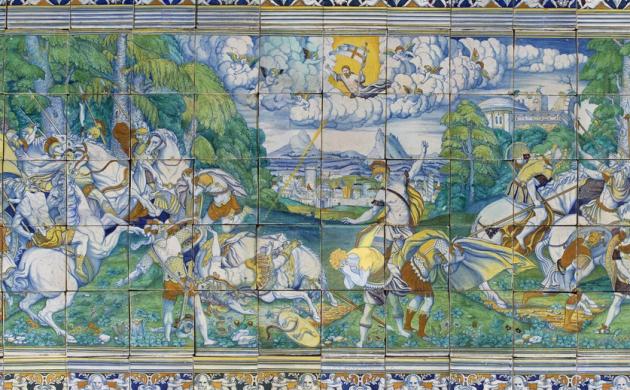
The tile panel 'The Conversion of Saul' is one of the most important pieces of the MAS I Vleeshuis collection, the collection of applied arts and history from the city of Antwerp.
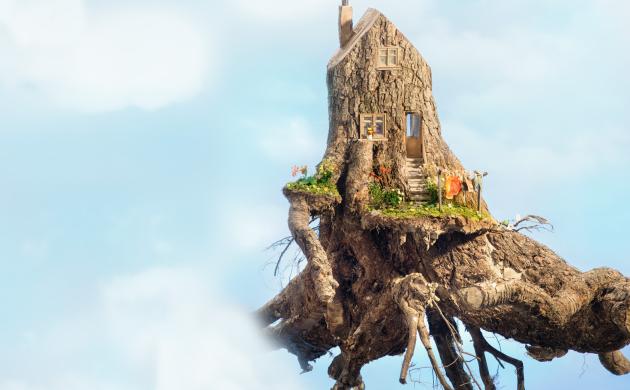
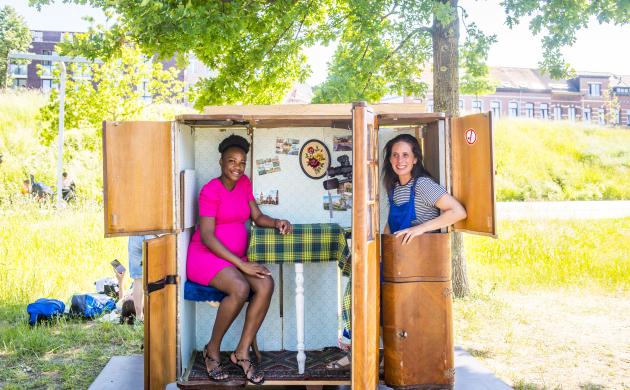
Does a sewer crocodile find her home cozy? And just how welcome is a spider in yours? Ponder these questions with an absent-minded professor or even with a… talking set of dishes. The quirky characters in the family exhibition “Anybody Home?” take you on an imaginative journey and invite you to reflect: how can “home” mean something different to everyone?
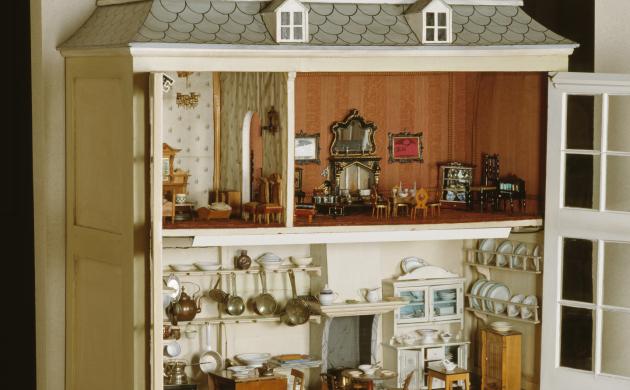
In preparation for the family exhibition Anybody home?, the MAS had a 19th-century wooden dollhouse restored. The house and its furnishings were carefully refurbished.
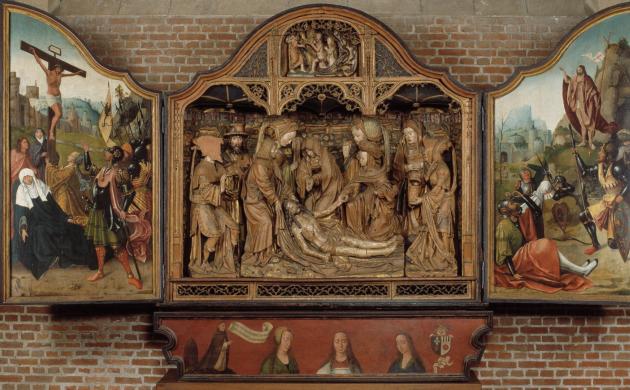
In 1873, the Antwerp Museum of Antiquities purchased a 16th-century retable of the Averbode Abbey, depicting the Lamentation of Christ. 150 years later, it is given on long-term loan to the abbey and thus returns home.
The MAS, together with a number of key partners, collected stories from Antwerper citizens about what a "home" means to them. A dozen families collaborated on the exhibition for a year.
When the Hutlet Family moved to America it was a major undertaking. They took their eight children with them as well as a lot of familiar household effects from home with them on their exciting journey to an unknown country.