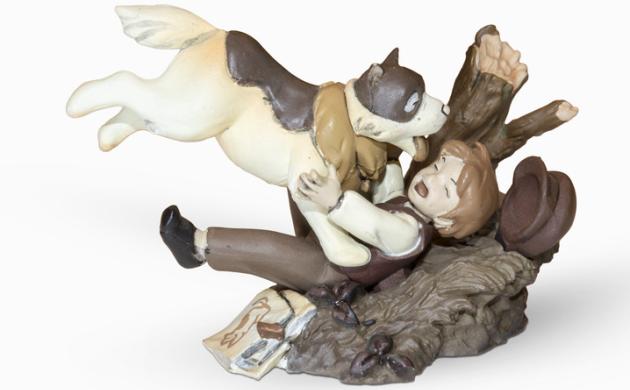
Jan Corteel devoted himself to promoting the story of Nello and Patrasche in Antwerp and Belgium. Over the years, Jan even built up a Nello and Patrasche collection, with all kinds of merchandise and various editions of the book. He donated this collection to the MAS.
Except for a dozen or so loans, all the pieces on display in the exhibition come from the MAS collection. The objects have been chosen for what they portray, their significance or their (historical) story.
Book your ticket in advance to ensure that you can visit the museum on your chosen date. When the maximum number of visitors is reached, we can not give you access to the museum without reservation. Book your ticket here.
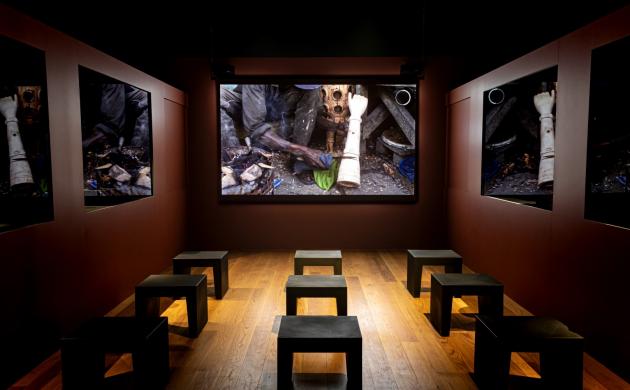
In the multimedia project 'In many hands' twenty-five people shine their light on the Congolese collection of the city of Antwerp. They speak about an object of choice from the one hundred highlights in the exhibition.
Can you take a stroller into the museum galleries? What do you do with your coat and bag? Where are the restrooms? Find answers to these and other practical questions here.
On Saturday 6 April 2013 the artist and filmmaker Hans Op de Beeck made “Dance”, a contemporary film about migration for the Red Star Line Museum. It was a cold spring day but the commitment and the enthusiasm of the 770 extras was heart-warming.
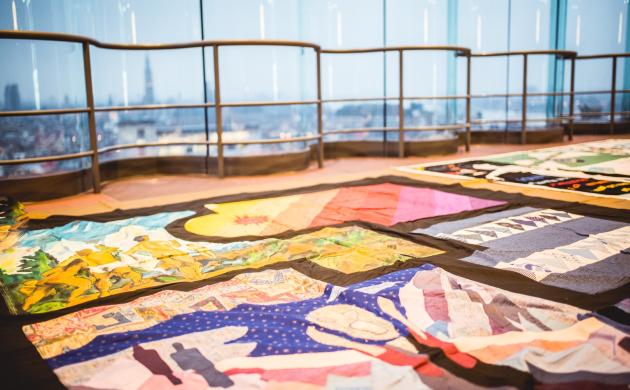
The Flemish non-profit organisation Sensoa donated its collection of quilts to the MAS. It consists of unique and personal canvases, each commemorating an AIDS victim. The creations are not limited to the traditional quilting (patchwork) technique. Some canvases were drawn or painted.
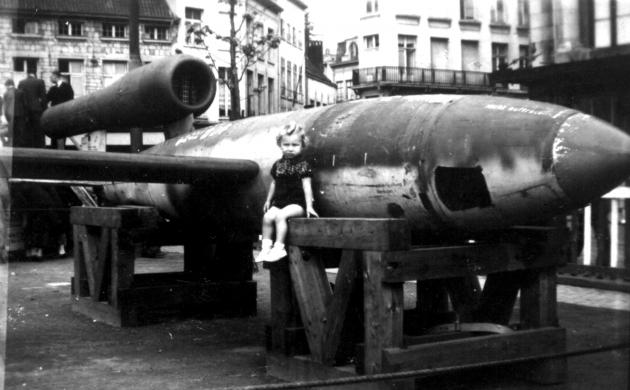
In the MAS pavilion, you can see where V-bombs fell on Antwerp and the scars they have left behind, by means of photographs, first-person testimonies and maps. You can even see a real V1-bomb from the MAS collection.