Antwerp was a particularly popular port of emigration among Jews from Central and Eastern Europe. These people constituted a sizeable proportion of the Red Star Line’s passengers. The shipping company recruited its “customers” from deep within Eastern Europe.
Book your ticket in advance to ensure that you can visit the museum on your chosen date. When the maximum number of visitors is reached, we can not give you access to the museum without reservation. Book your ticket here.
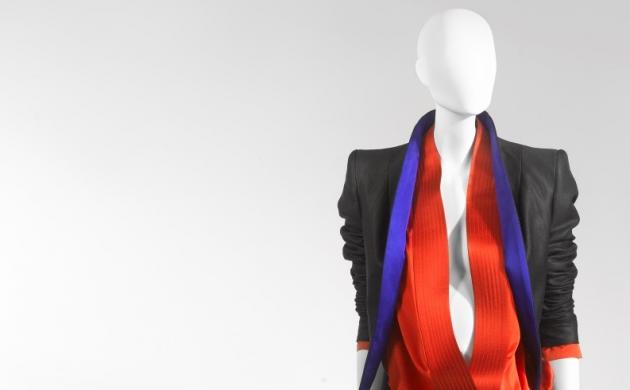
Japanese fashion also has a global impact. The exhibition showed how Japanese avant-garde fashion from the 1980s is still alive and well. Visitors were also exposed to Tokyo's colourful Cute Fashion.
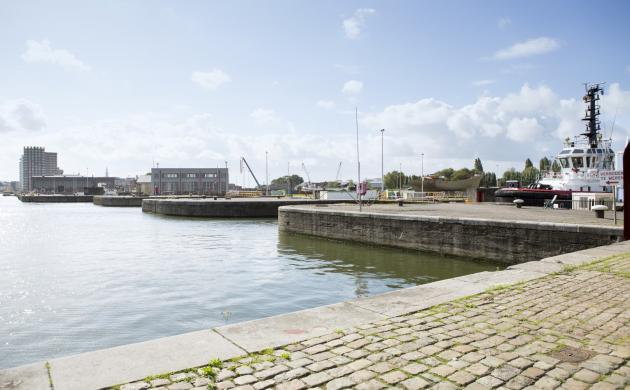
Along the frayed fault line between the city and port lies a raw and rusty area. For many Antwerp residents, this represents a blind spot on the map. However, this area oozes history linked to the once bustling in-city port.
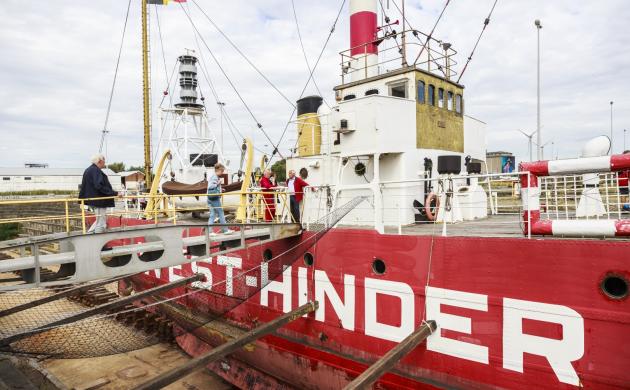
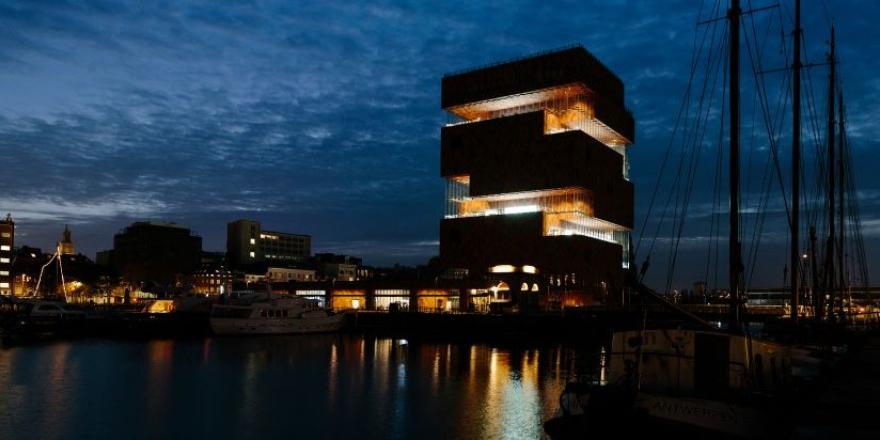
The MAS manages the largest collection of historical vessels in the country. For years, it was displayed under the shelters next to Het Steen, but after a spectacular relocation operation, the vessels found a new home at the Dry Docks site.
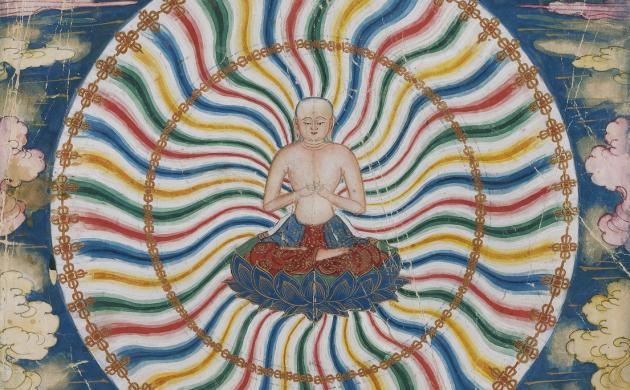
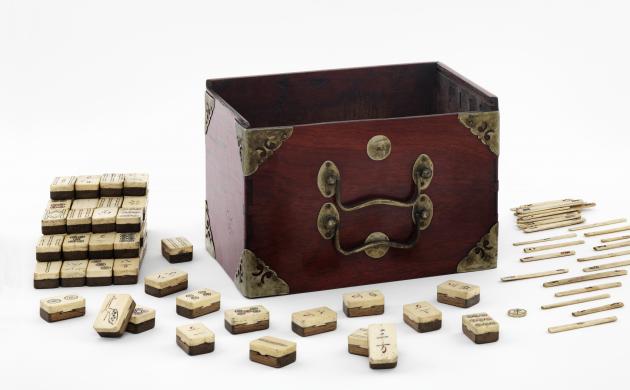
Flanders possesses a magnificent collection of movable cultural heritage. With the 'Masterpieces Decree', the Flemish government wants to protect these unique cultural objects. Based on the decree, a list of rare and indispensable objects was compiled. Some of them are part of the MAS collection.
The MAS collection grows every year. We look for new acquisitions ourselves, but also receive offers in the form of a donation or an inheritance. We also invite people to contribute actively to the MAS collection through appeals.
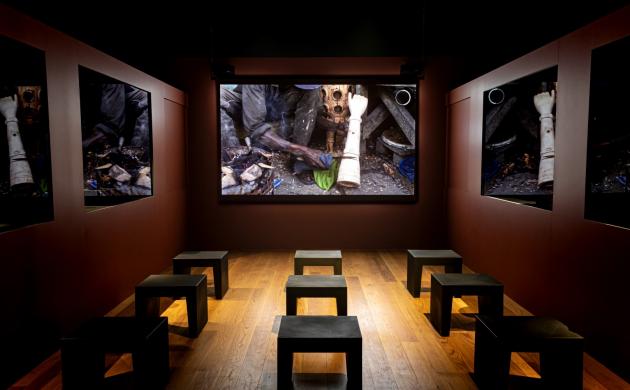
In the multimedia project 'In many hands' twenty-five people shine their light on the Congolese collection of the city of Antwerp. They speak about an object of choice from the one hundred highlights in the exhibition.
Viki Geunes, chef of the famous restaurant Zilte, selected four recipes from around 1600 from the Cockbouck and came up with a contemporary version. You'll find them in the exhibition, but also here online.
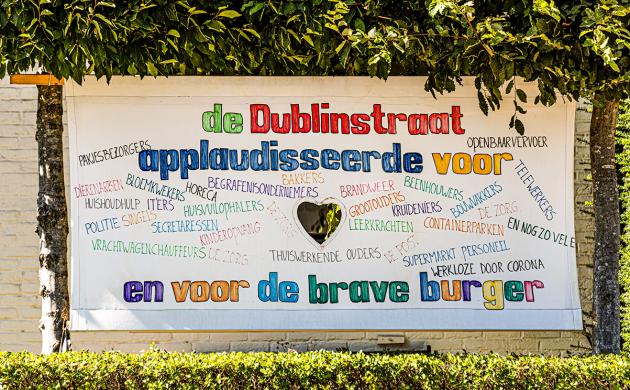
The MAS and the FelixArchief invited all Antwerp citizens to contribute to an archive about daily life during the coronapandemic in Antwerp. Many Antwerp citizens responded with an often very personal contribution.