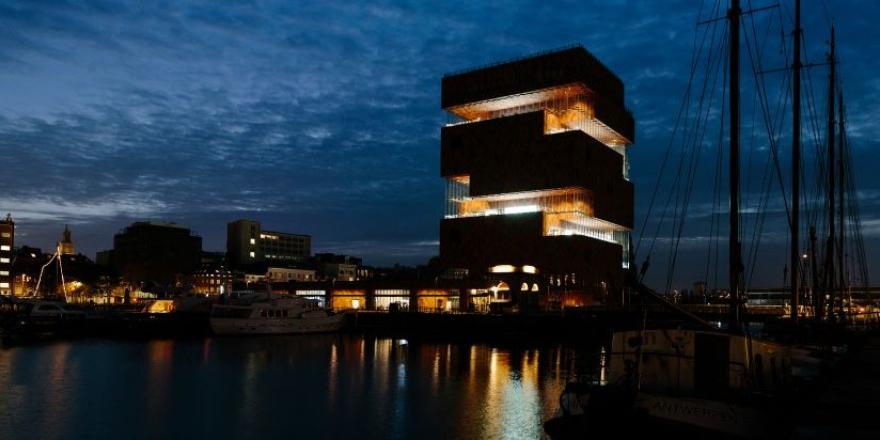
The MAS collection consists of more than 500,000 objects about art, cultural traditions and history of the city and port of Antwerp. But also of Europe, Asia, Africa, America and Oceania.
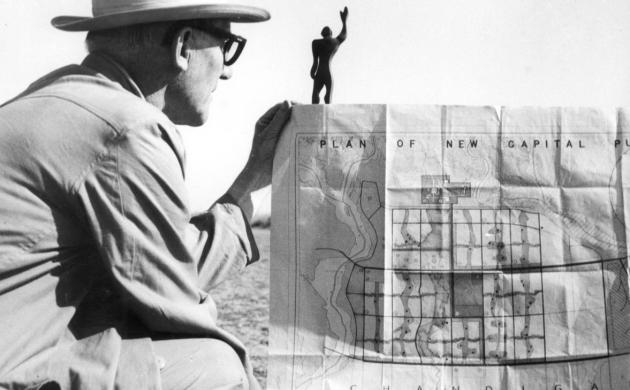
As well as an architect, Le Corbusier was also a furniture designer, a painter, a sculptor and an influential theorist. He is sometimes called ‘the architect of the 20th century’. His ideas were showered with praise, but he also received a lot of criticism.
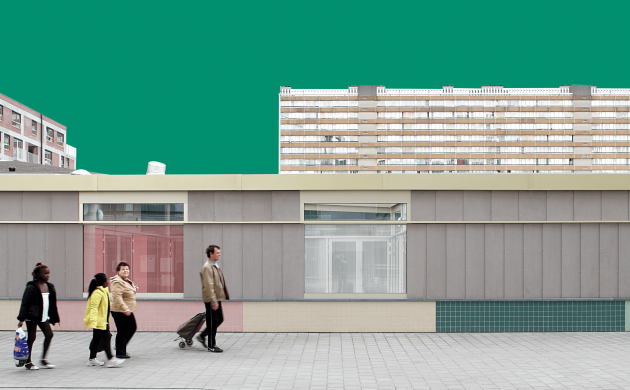
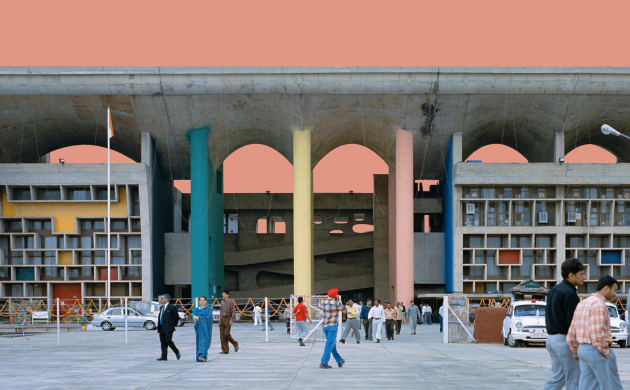
CLOSED - The exhibition immersed the visitor in the ideas of the world famous architect Le Corbusier (1887-1965), but did also let them saunter through the streets of Chandigarh and gave them a look behind Linkeroever’s façades.
CLOSED - How do residents make use of a city after the architect has gone? And what does the area of Linkeroever in Antwerp have to do with the Indian city of Chandigarh? Discover how residents live in a carefully designed city and learn about the underlying vision of the famous modernist architect Le Corbusier. Exhibition 6/04/2019 - 18/08/2019
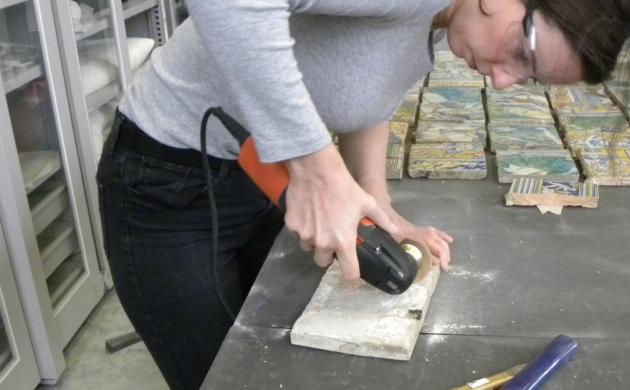
The tile panel 'The Conversion of Saul' is one of the most important pieces of the MAS I Vleeshuis collection, the collection of applied arts and history from the city of Antwerp.
A family outing in the fascinating setting of the Red Star Line Museum is always fun. Everyone will enjoy it because the museum caters to everyone’s needs.
Le Corbusier (1887-1965) was an architect who believed that the way a city is built can improve the lives of its residents. He drew up plans for Antwerp-Linkeroever that were never completed and he built an entirely new city in India called Chandigarh. This exhibition immerses you the ideas of Le Corbusier, but also lets you saunter through the streets of Chandigarh and take a look behind Linkeroever’s façades.
On this tour, you'll learn the story behind this exceptional building and its collections and exhibitions. Experience the encounters that the river and the port have brought about for centuries.
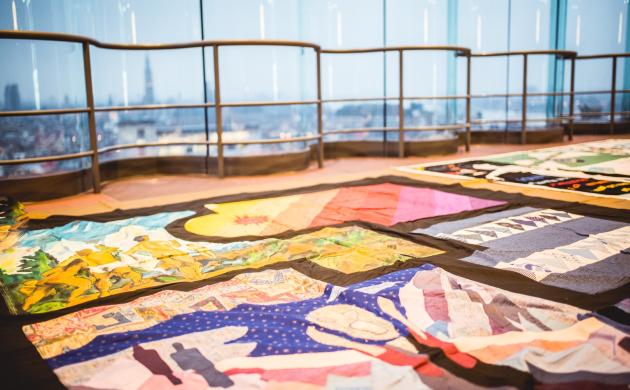
The Flemish non-profit organisation Sensoa donated its collection of quilts to the MAS. It consists of unique and personal canvases, each commemorating an AIDS victim. The creations are not limited to the traditional quilting (patchwork) technique. Some canvases were drawn or painted.