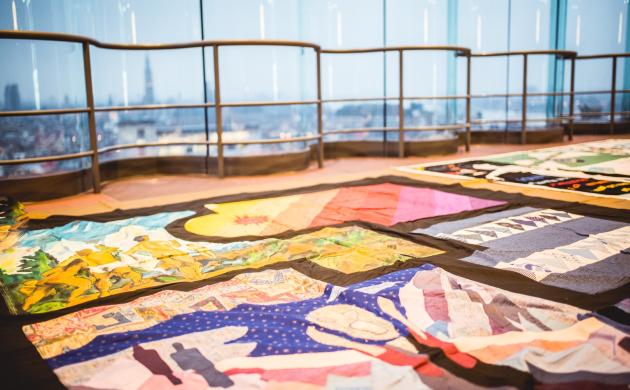
The Flemish non-profit organisation Sensoa donated its collection of quilts to the MAS. It consists of unique and personal canvases, each commemorating an AIDS victim. The creations are not limited to the traditional quilting (patchwork) technique. Some canvases were drawn or painted.
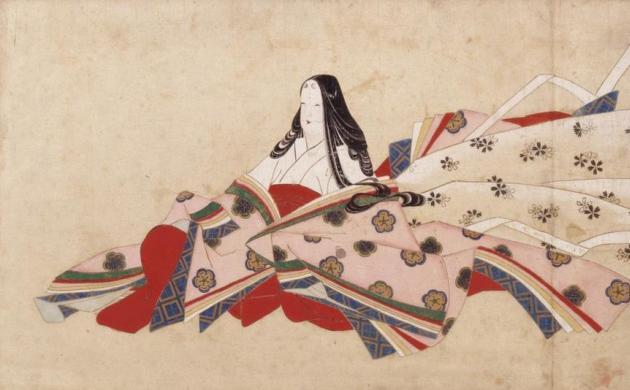
The nine contemplations on the impurity of the human body depicts how finite the human body is. Japanese monks used such series as an aid to their meditation.
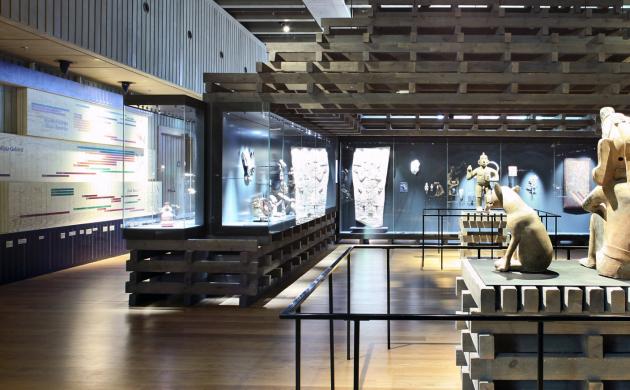
The MAS collection consists of more than 500,000 objects about art, cultural traditions and history of the city and port of Antwerp. But also of Europe, Asia, Africa, America and Oceania.
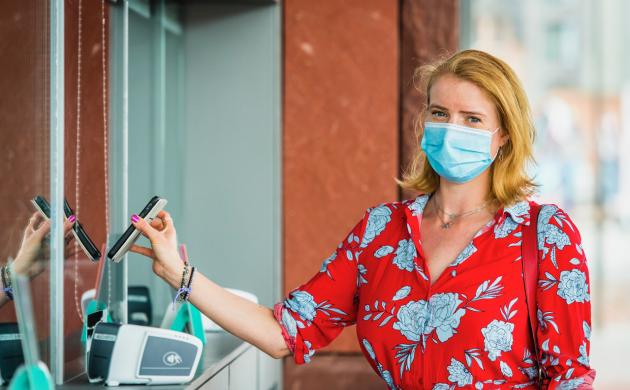
As of October 30, 2021, the price of admission to the MAS will change. We will bring it in line with those of domestic and foreign museums. At the same time, the discount policy will be adjusted and become more transparent.
Military violence and mass persecution of Jews and dissenters during World War II broke the city. Personal stories and objects make this period very tangible in this new permanent MAS exhibition.
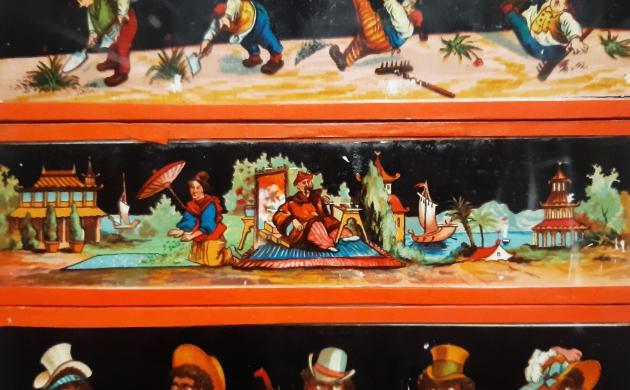
The MAS started digitizing its collection of thousands of slides. These slides that used to be projected with a magic lantern, are finally seeing the light of day again.
The exhibition '100 x Congo' focuses on one hundred unique Congolese works.What are the stories behind the Congolese objects? And how did they end up here? What was their significance to various Congolese peoples? And where lies the future of the collection?
On Saturday 6 April 2013 the artist and filmmaker Hans Op de Beeck made “Dance”, a contemporary film about migration for the Red Star Line Museum. It was a cold spring day but the commitment and the enthusiasm of the 770 extras was heart-warming.