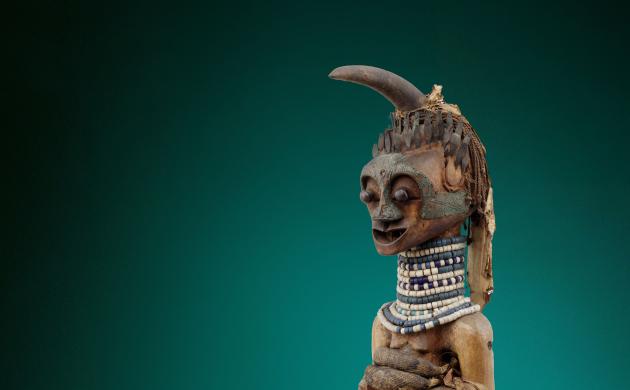
Flanders possesses a magnificent collection of movable cultural heritage. With the 'Masterpieces Decree', the Flemish government wants to protect these unique cultural objects. Based on the decree, a list of rare and indispensable objects was compiled. Some of them are part of the MAS collection.
People have been fascinated by power for centuries. Why is power so seductive? What kind of prestige accompanies it? A highly topical theme in which – who knows? – you may find some personal relevance.
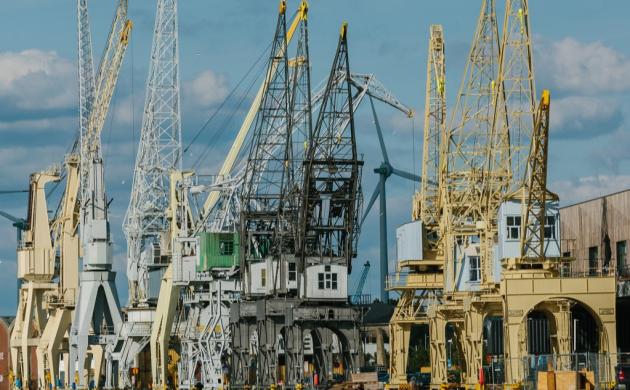
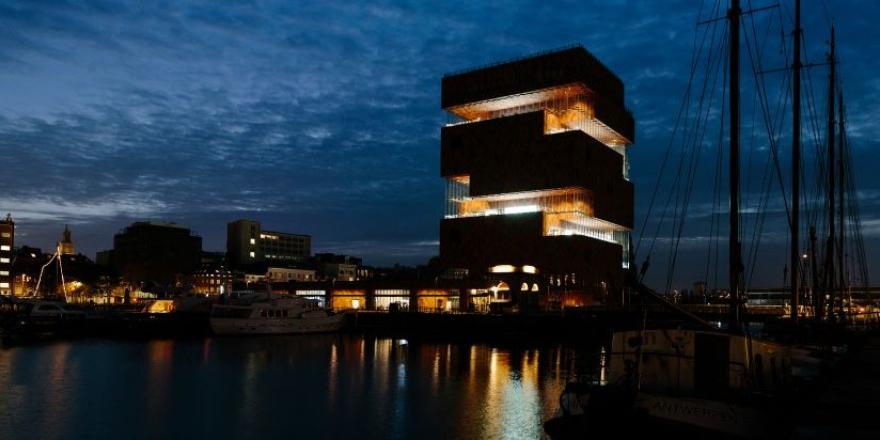
The MAS' largest and most impressive collection pieces can be seen on the Scheldt quays. And just in front of the MAS, you almost bump into the showpiece of our collection.
This year, we are creating the city's playlist for the Altar of Antwerp. This playlist will consist of songs that city residents bring in. Each song is linked to a moment, a person or a feeling that the participant wants to evoke.
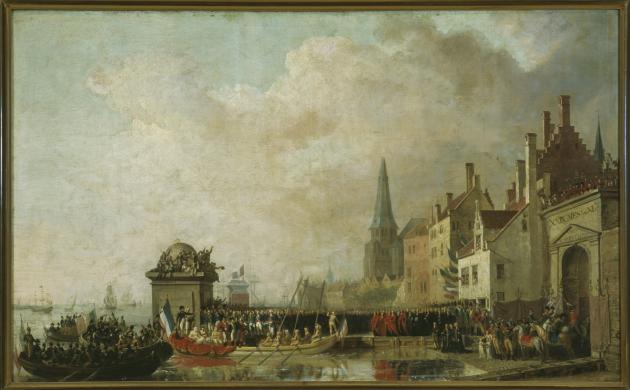
Napoleon's visit to Antwerp in 1803 was a high point for the city on the Scheldt. Joséphine de Beauharnais, Napoleon's wife, ordered a painting to immortalise the entry. This is a preliminary sketch for that.
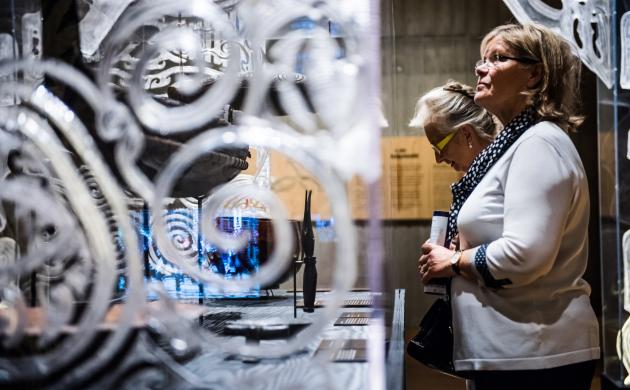
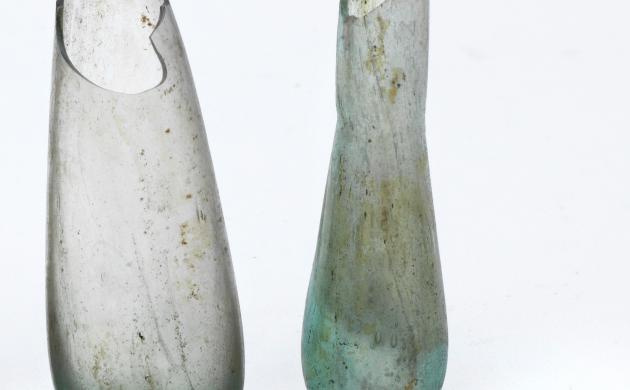
The ancient glass collection is one of the hidden gems at the MAS. It's part of a valuable glass collection numbering nearly 700 objects. For the first time the subcollection of ancient glass is published in a comprehensive catalogue.
Military violence and mass persecution of Jews and dissenters during World War II broke the city. Personal stories and objects make this period very tangible in this new permanent MAS exhibition.
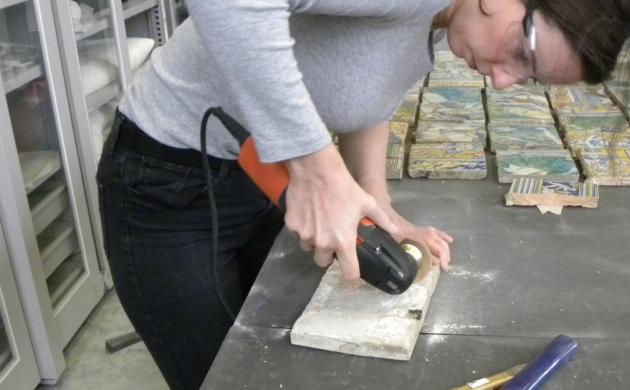
The tile panel 'The Conversion of Saul' is one of the most important pieces of the MAS I Vleeshuis collection, the collection of applied arts and history from the city of Antwerp.
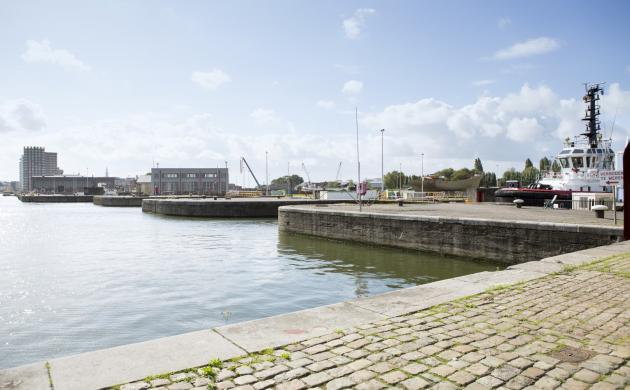
Along the frayed fault line between the city and port lies a raw and rusty area. For many Antwerp residents, this represents a blind spot on the map. However, this area oozes history linked to the once bustling in-city port.