Search

68 Results for "WA 0859 3970 0884 [[Hatiga Wallpaper]] Order Wallpaper Support Full Jatinom Klaten"
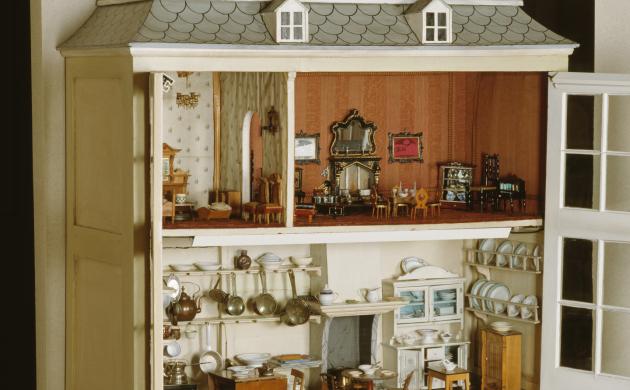
19th century dollhouse

In preparation for the family exhibition Anybody home?, the MAS had a 19th-century wooden dollhouse restored. The house and its furnishings were carefully refurbished.

Visit the MAS with a group

Check out all possibilities for visiting the MAS in group, with or without a guide.

Tile panel

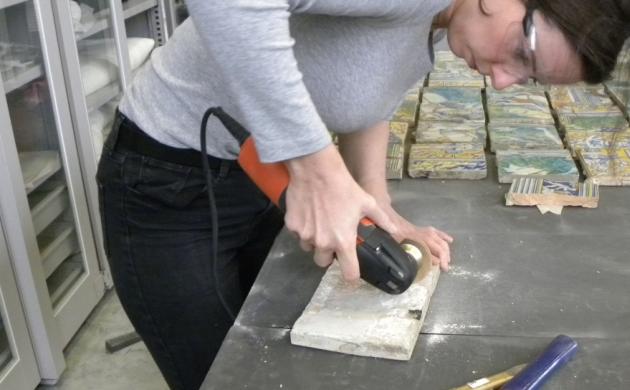
The tile panel 'The Conversion of Saul' is one of the most important pieces of the MAS I Vleeshuis collection, the collection of applied arts and history from the city of Antwerp.

Visiting the museum with your family

A family outing in the fascinating setting of the Red Star Line Museum is always fun. Everyone will enjoy it because the museum caters to everyone’s needs.

The Averbode altarpiece

In the centre of this altarpiece, those close to Christ are mourning his death, and above in miniature, we see Christ again, but alive and in the limbo of Hell. Below, each of the three women are depicting a virtue: Faith, Hope and Love. When the altarpiece is closed, you can see the tortured Christ being shown to the people on the left, and on the right, Jesus being offered a sweat cloth by Veronica.

Float

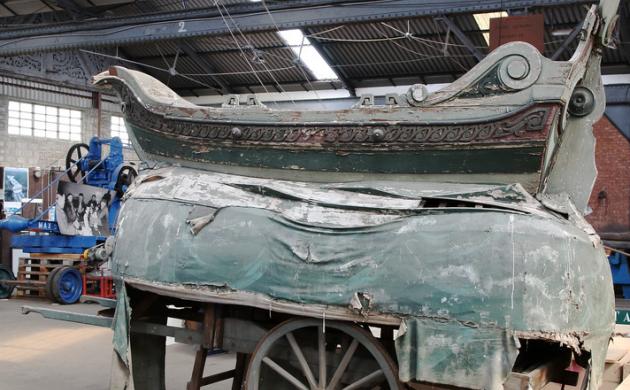
From parade to museum

Thanks to intensive restoration, a large float was prepared for the exhibition 'Listen. Stories found in the city'. You can read about how the restoration of this piece was carried out and what choices were made here.

We call it Riverside but you can call it L.O.

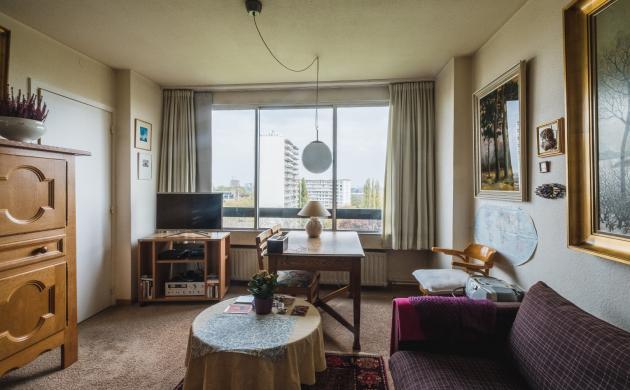
For the exhibition 'Le Corbusier. Linkeroever - Chandigarh’, the MAS closely collaborates with people and organisations in Linkeroever. Amongst others, we spoke with two residents’ associations in Europark, had coffee with the board of the Sint-Anna College and the secondary school, and visited River Side Studio.

Congo in the MAS

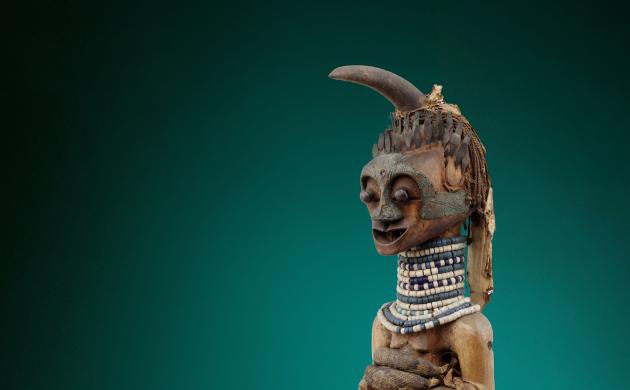
The origin of the Congolese collection in the MAS dates back about a hundred years.

12,770 km from home and what was lost along the way

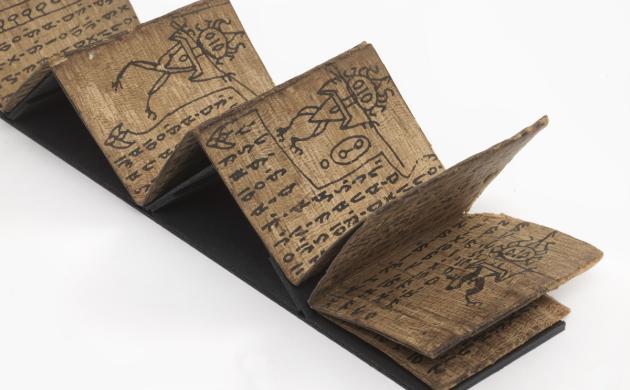
Colonial collectors brought many pustaha into European museum collections, thus separating these books from their communities of origin. What happens to the knowledge that manuscripts contain when they are displaced and access to them is lost?

Subscribe to our newsletter