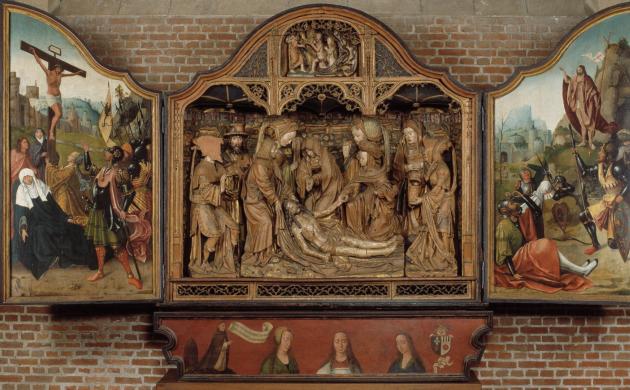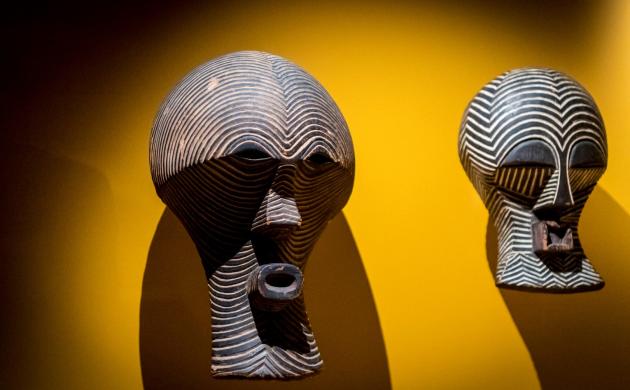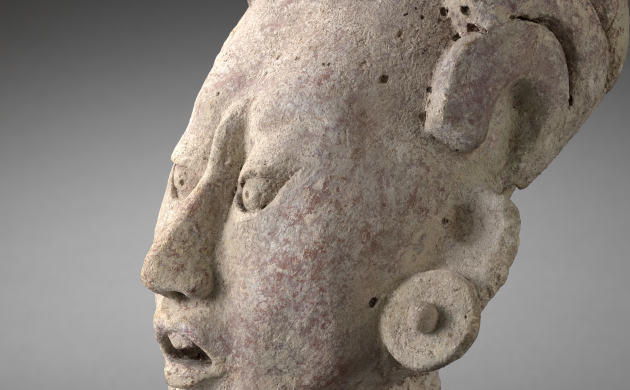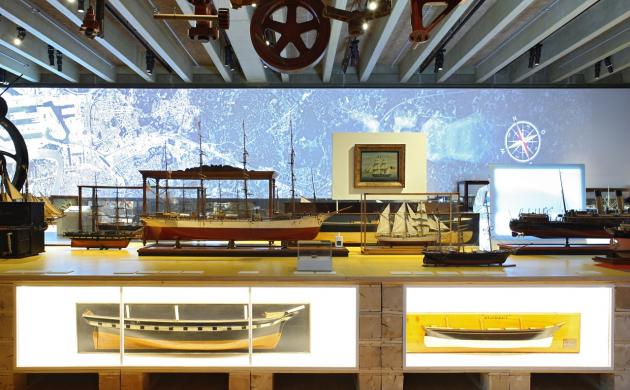
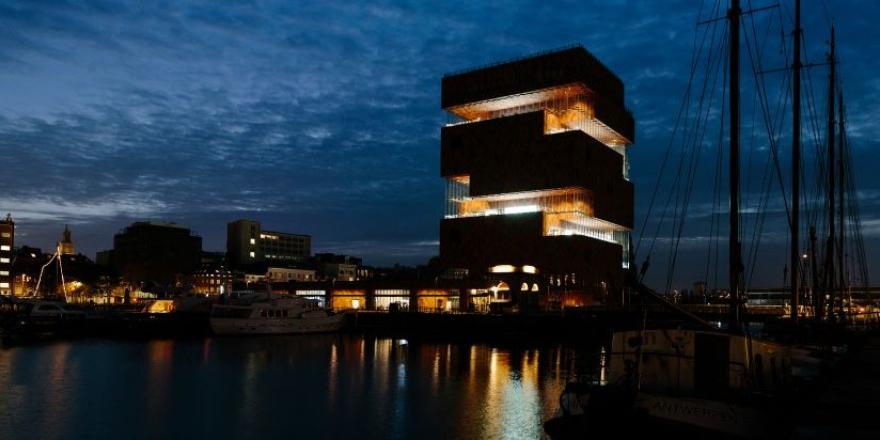
The MAS collection consists of more than 500,000 objects about art, cultural traditions and history of the city and port of Antwerp. But also of Europe, Asia, Africa, America and Oceania.
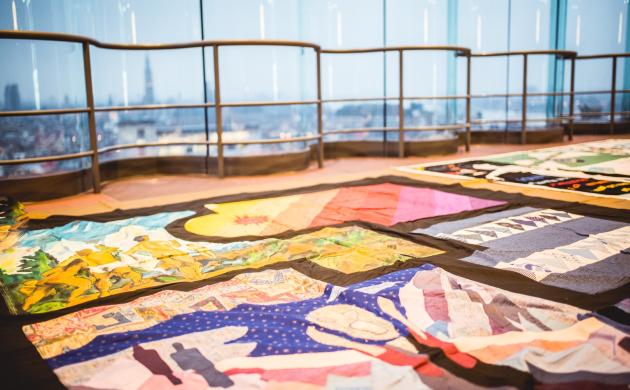
The Flemish non-profit organisation Sensoa donated its collection of quilts to the MAS. It consists of unique and personal canvases, each commemorating an AIDS victim. The creations are not limited to the traditional quilting (patchwork) technique. Some canvases were drawn or painted.
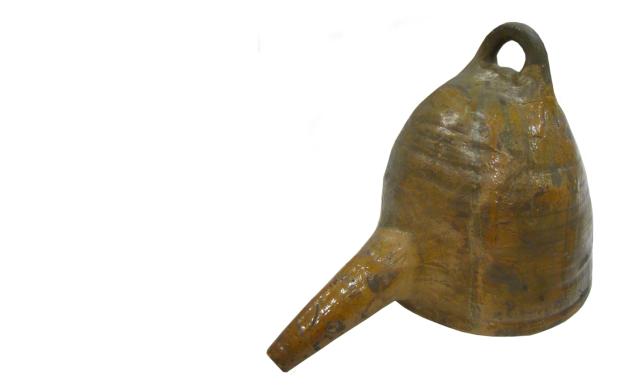
This ‘helmet’ is indispensable in illustrating the history of distillation in the Low Countries. In various 16th and 17th-century engravings and paintings, you can see how vapours were cooled down and converted into liquids in a helmet like this. In Belgium, we do not know a second one like this.
Mention of heritage in Antwerp immediately puts us in mind of the cathedral or a painting by Rubens. But the Reuzenstoet (Giants’ Parade) or an ancient tree are also part of our heritage, and the same is true of everything we have built up over the centuries in our society.
The Royal Academy for Fine Arts existed 350 years in 2013. At the same time, the renowned Fashion Department turned 50. That is why the whole of Antwerp was dominated by the Academy and the clash between contemporary artistic "violence" and historical heritage.
In this brochure, the MAS looks back on the process of MAS in Young Hands and shares all its experiences. A complete overview of its know-how is available online and free of charge.
Thanks to the documentary by Christian Barani, during the exhibition, you will feel as if you are strolling through the streets of Chandigarh. Eight large screens show you how the current residents live in the carefully planned city, long after the architect is gone.
In the MAS pavilion, you can see where V-bombs fell on Antwerp and the scars they have left behind, by means of photographs, first-person testimonies and maps. You can even see a real V1-bomb from the MAS collection.