Search

139 Results for "WA 0852 2611 9277 [[GLORION]] Desain Interior Dinding Tangga Apartemen world visit Jakarta Barat"
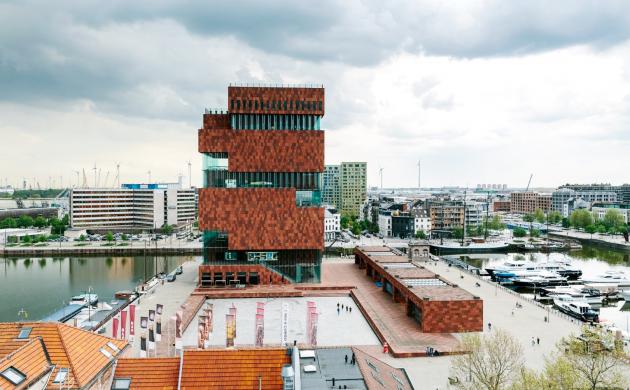
How & when to get here

When is the museum open and how do you get here?

A PLAYLIST

This year, we are creating the city's playlist for the Altar of Antwerp. This playlist will consist of songs that city residents bring in. Each song is linked to a moment, a person or a feeling that the participant wants to evoke.

Film Dance

On Saturday 6 April 2013 the artist and filmmaker Hans Op de Beeck made “Dance”, a contemporary film about migration for the Red Star Line Museum. It was a cold spring day but the commitment and the enthusiasm of the 770 extras was heart-warming.

Display of Power | About Prestige and Symbols

17.05.2011 - 18.02.2018

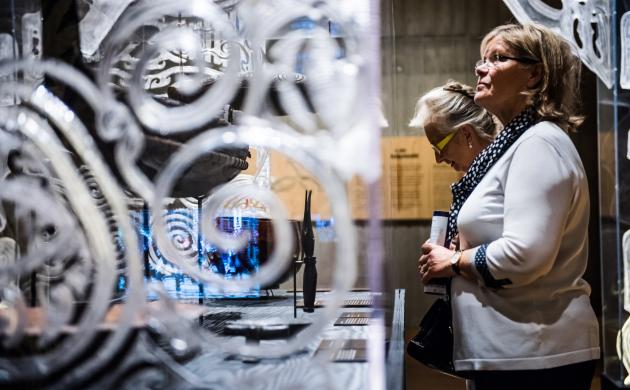
People have been fascinated by power for centuries. Why is power so seductive? What kind of prestige accompanies it? A highly topical theme in which – who knows? – you may find some personal relevance.

Migrants on deck

Photographs show the people involved and the circumstances surrounding their emigration. Consequently, photography is an important source of information for the story of the Red Star Line.

Yiddish advertisement

Antwerp was a particularly popular port of emigration among Jews from Central and Eastern Europe. These people constituted a sizeable proportion of the Red Star Line’s passengers. The shipping company recruited its “customers” from deep within Eastern Europe.

City at war. Antwerp, 1940-1945

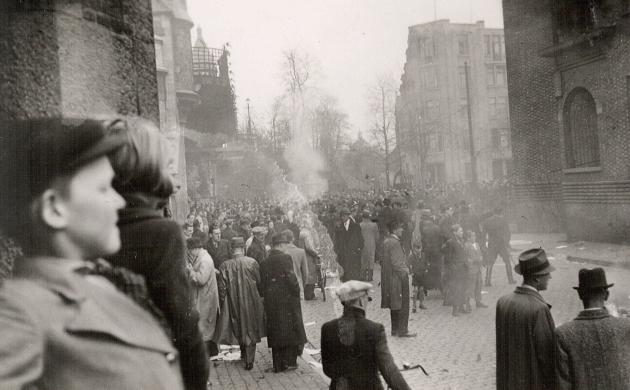
What does it mean to live in an occupied city? What choices did city residents make: flee, cooperate with the occupier or resist? The expo shows the impact of WWII on Antwerp and its inhabitants. What would you do? You'll find out together with the guide.

Antwerp à la carte

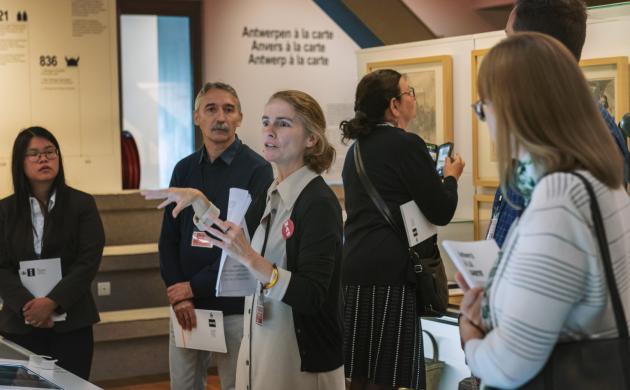
A guide will show you the surprising, tortuous and often invisible trail of the food chain through Antwerp.

100 x Congo

A century of Congolese art in Antwerp
The exhibition '100 x Congo' focuses on one hundred unique Congolese works.What are the stories behind the Congolese objects? And how did they end up here? What was their significance to various Congolese peoples? And where lies the future of the collection?

Subscribe to our newsletter