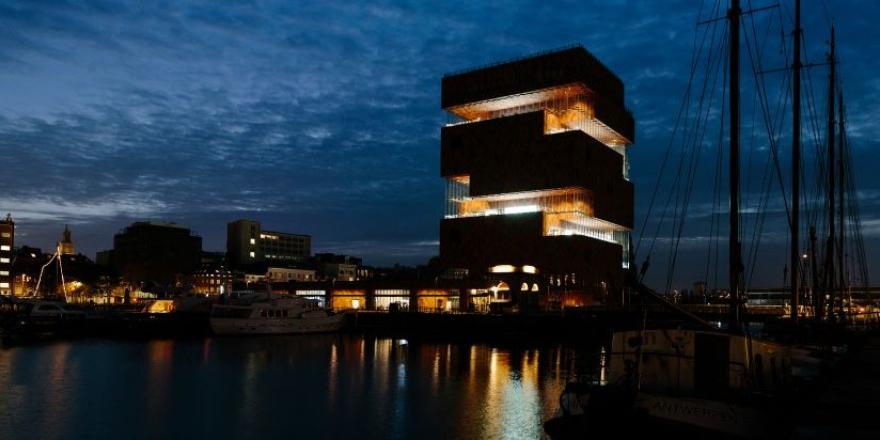
The Eilandje was the place where people gathered on their way to the New World. The magnificent Red Star Line steamers moored on the quay just before the bend in the Scheldt River. When the steam whistle announced an impending departure, the quay swarmed with activity. The Eilandje is currently a sought after place in the city.
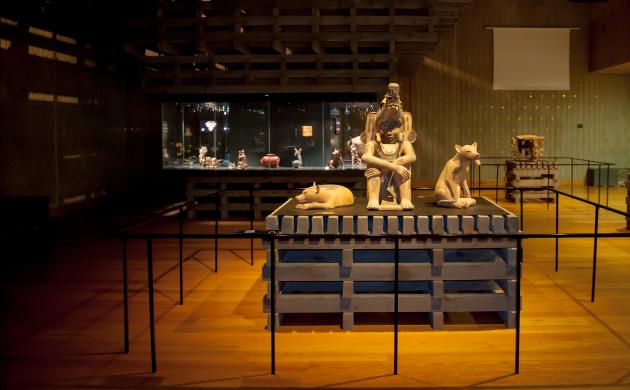
A world famous collection that tells us about the extraordinary relationship between man and the world of gods, ancestors and spirits in America before the conquest by the Europeans.
CLOSED - "The corner shop" highlighted the colourful history of Antwerp's shops and shopkeepers in the MAS boulevard. MAS asked photographer Sanne De Wilde to find out more about the people who run local shops in the city today. The result was a colourful and diverse portrait series. Combined with old photos, the exhibition showed the human face behind the corner shops of the city since the Fifties.
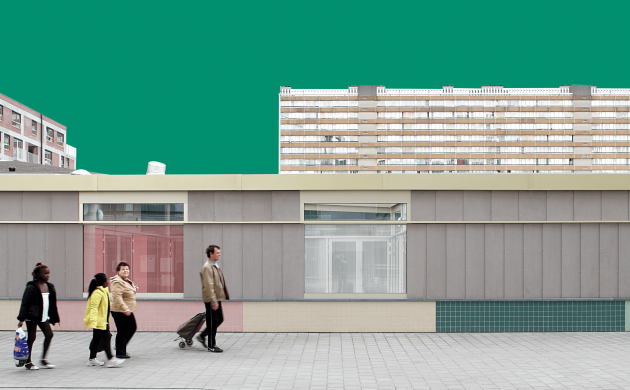
CLOSED - The exhibition immersed the visitor in the ideas of the world famous architect Le Corbusier (1887-1965), but did also let them saunter through the streets of Chandigarh and gave them a look behind Linkeroever’s façades.
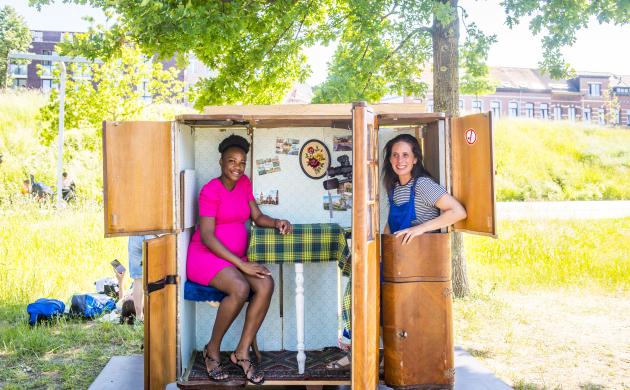
The MAS, together with a number of key partners, collected stories from Antwerper citizens about what a "home" means to them. A dozen families collaborated on the exhibition for a year.
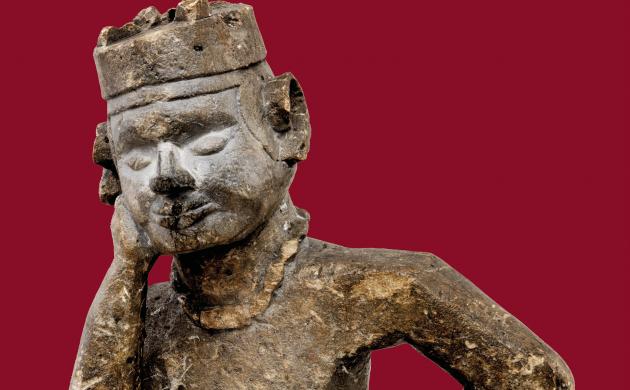
100 X Congo features one hundred highlights. What stories are hidden behind the objects? How did they end up here? What did they mean to Congolese peoples?
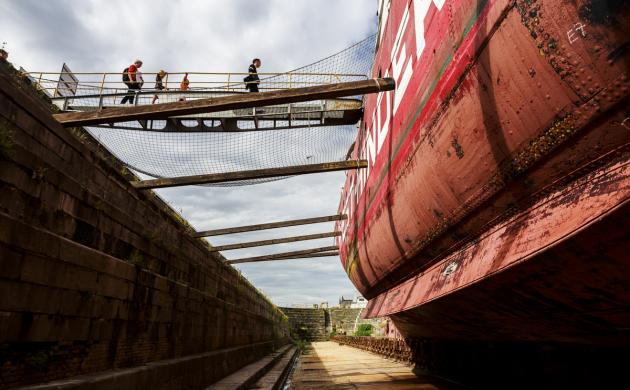
Just beyond the MAS lies the dry dock site: nine non active dry docks, former workshops for ship repairers, a pump house which is now a protected monument ... It now houses the MAS vessel collection.
As of October 30, 2021, the price of admission to the MAS will change. We will bring it in line with those of domestic and foreign museums. At the same time, the discount policy will be adjusted and become more transparent.
The exhibition '100 x Congo' focuses on one hundred unique Congolese works.What are the stories behind the Congolese objects? And how did they end up here? What was their significance to various Congolese peoples? And where lies the future of the collection?