The tile panel 'The Conversion of Saul' is one of the most important pieces of the MAS I Vleeshuis collection, the collection of applied arts and history from the city of Antwerp.
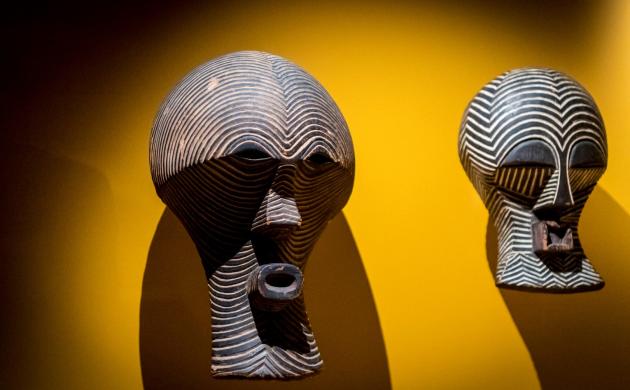
The MAS preserves culturally and historically sensitive Congolese heritage. In what circumstances did this collection of approximately 3,800 cultural objects come into being? A two-year research project will map this out more clearly.
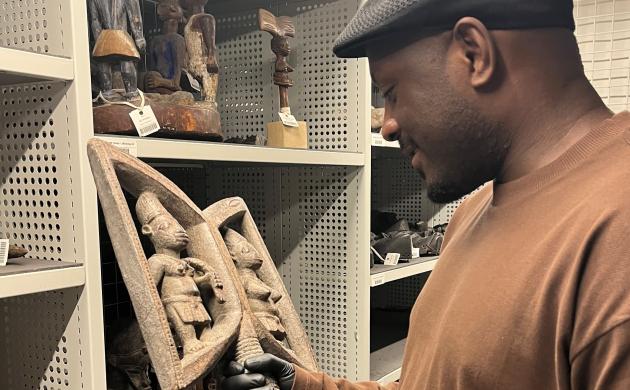
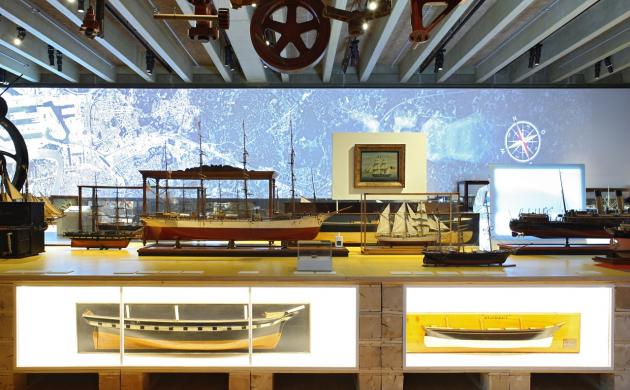
The MAS collection consists of more than 500,000 objects about art, cultural traditions and history of the city and port of Antwerp. But also of Europe, Asia, Africa, America and Oceania.
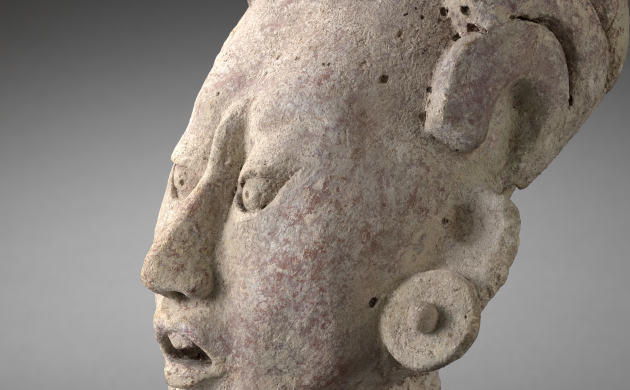
For the exhibition 'Postcolonial?' at the House of European History in Brussels, the MAS is lending an artefact from Mayan culture. It is an object from the collection of Paul & Dora Janssen-Arts.
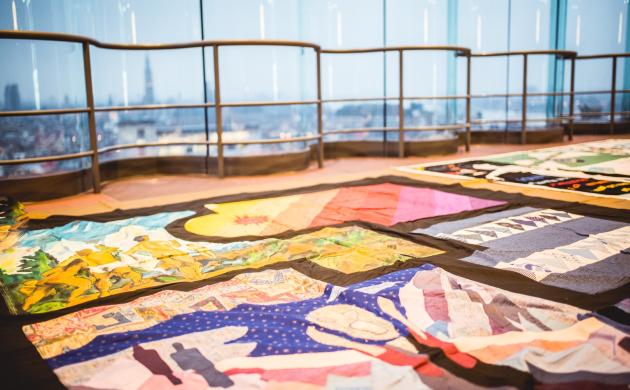
The Flemish non-profit organisation Sensoa donated its collection of quilts to the MAS. It consists of unique and personal canvases, each commemorating an AIDS victim. The creations are not limited to the traditional quilting (patchwork) technique. Some canvases were drawn or painted.
CLOSED - Great art needs no explanation to touch people. Some works of art leave observers bewildered; others allow them to 'see' from a different perspective. The exhibition 'Encounters' was about a universal experience of art. Dancers in the exhibition were guides of sensibility for the observer; they reinforced the total experience.
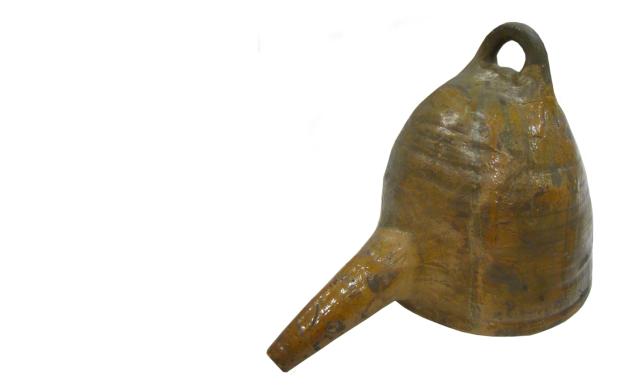
This ‘helmet’ is indispensable in illustrating the history of distillation in the Low Countries. In various 16th and 17th-century engravings and paintings, you can see how vapours were cooled down and converted into liquids in a helmet like this. In Belgium, we do not know a second one like this.
Mention of heritage in Antwerp immediately puts us in mind of the cathedral or a painting by Rubens. But the Reuzenstoet (Giants’ Parade) or an ancient tree are also part of our heritage, and the same is true of everything we have built up over the centuries in our society.
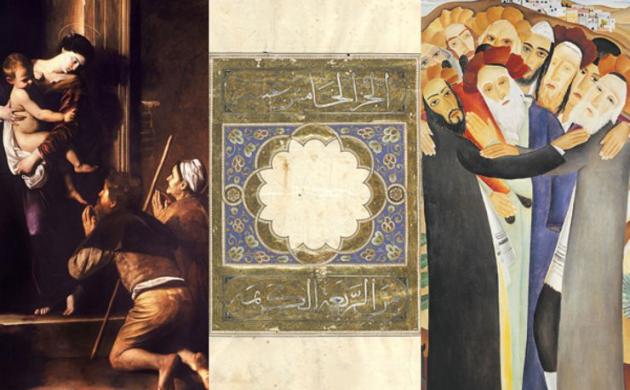
CLOSED - ‘Sacred Places, Sacred Books’ brought Rome, Mecca and Jerusalem to Antwerp. You discovered the differences and similarities between Judaism, Christianity and Islam. More than 200 works of art, historical and religious treasures were on display.