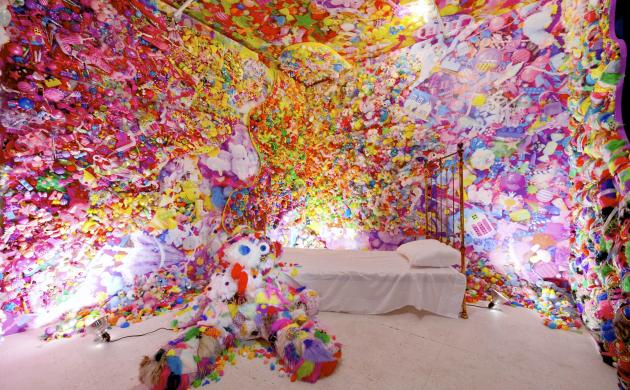
CLOSED - With “Body Art” the MAS has developed a varied exhibition about forms of body adornment, from make-up and tattoos to scarification and surgical changes, throughout the centuries and in different cultures. The main question in this exhibition was “Why do people alter their body?”
In addition to work by 18th-century artist Katsushika Hokusai, known as 'the Rembrandt of Japan', contemporary art was also well represented in the exhibition.
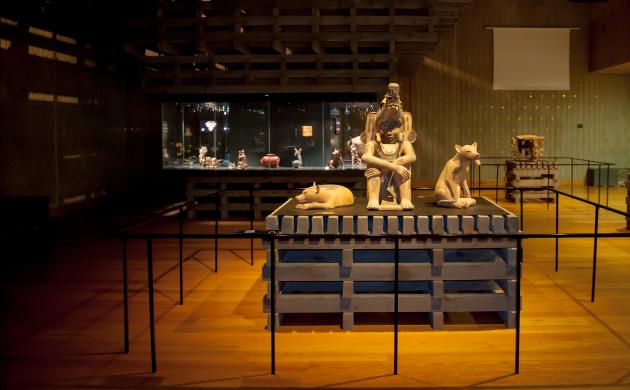
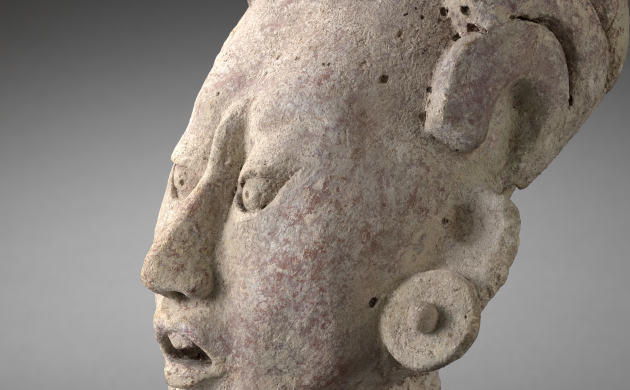
A world famous collection that tells us about the extraordinary relationship between man and the world of gods, ancestors and spirits in America before the conquest by the Europeans.
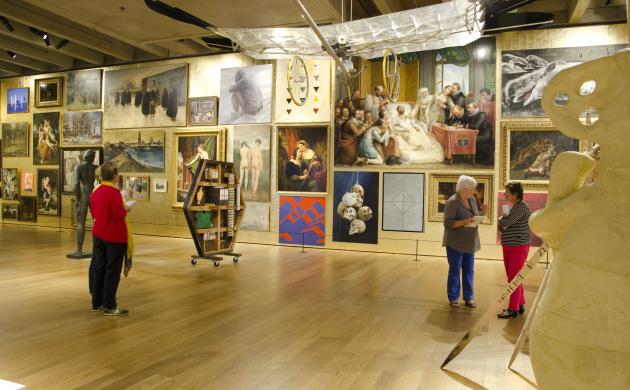
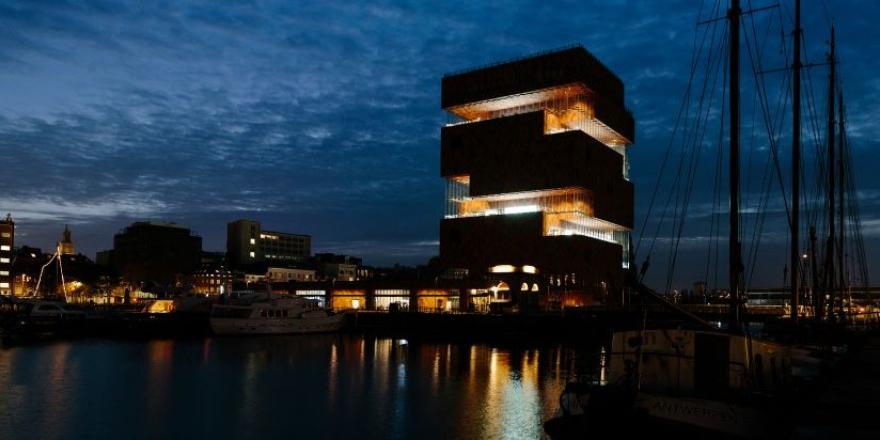
The MAS collection consists of more than 500,000 objects about art, cultural traditions and history of the city and port of Antwerp. But also of Europe, Asia, Africa, America and Oceania.
The Royal Academy for Fine Arts existed 350 years in 2013. At the same time, the renowned Fashion Department turned 50. That is why the whole of Antwerp was dominated by the Academy and the clash between contemporary artistic "violence" and historical heritage.
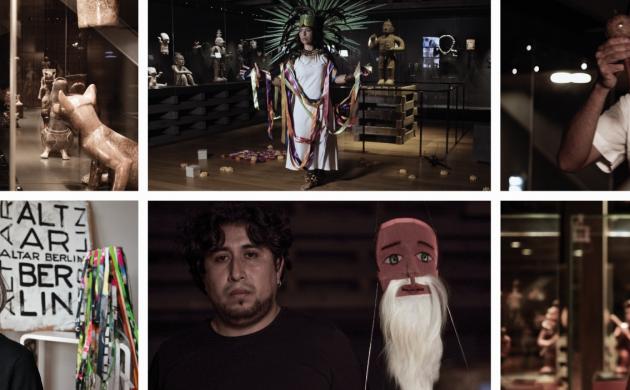
Since 2012, the Mestizo Arts Platform (MAP) collective has been maintaining and renewing the Altar of Antwerp: a participatory installation that invites us to reflect on the meaning of 'what we have lost' in the city. This has been a part of the MAS' permanent collection since 2017.
For the exhibition 'Postcolonial?' at the House of European History in Brussels, the MAS is lending an artefact from Mayan culture. It is an object from the collection of Paul & Dora Janssen-Arts.
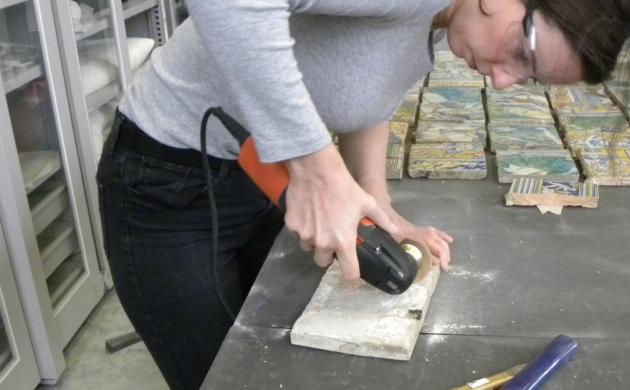
The tile panel 'The Conversion of Saul' is one of the most important pieces of the MAS I Vleeshuis collection, the collection of applied arts and history from the city of Antwerp.