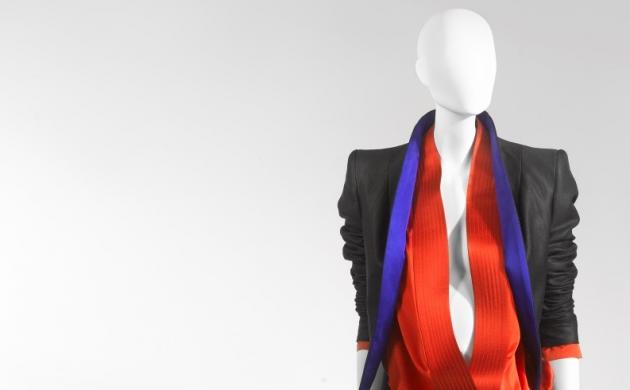
Japanese fashion also has a global impact. The exhibition showed how Japanese avant-garde fashion from the 1980s is still alive and well. Visitors were also exposed to Tokyo's colourful Cute Fashion.
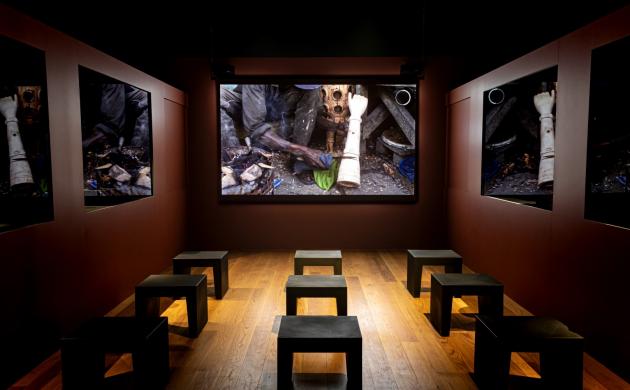
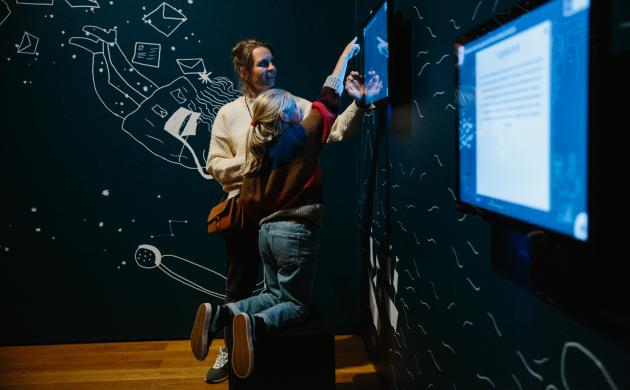
In the multimedia project 'In many hands' twenty-five people shine their light on the Congolese collection of the city of Antwerp. They speak about an object of choice from the one hundred highlights in the exhibition.
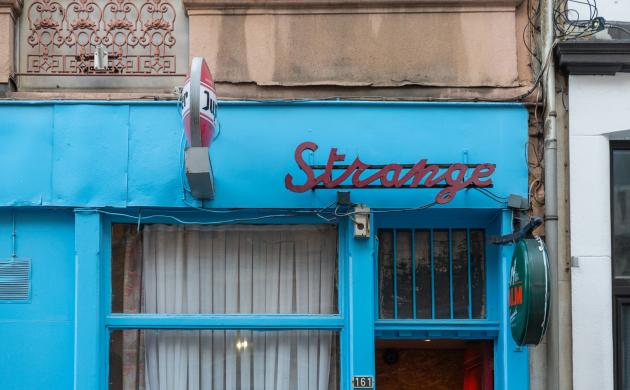
The MAS has been able to get hold of a few pieces from gay bar Café Strange at an auction. This way, a bit of the bar of Antwerp's icon and café owner Armand in the Dambruggestraat is preserved for the future.
Except for a dozen or so loans, all the pieces on display in the exhibition come from the MAS collection. The objects have been chosen for what they portray, their significance or their (historical) story.
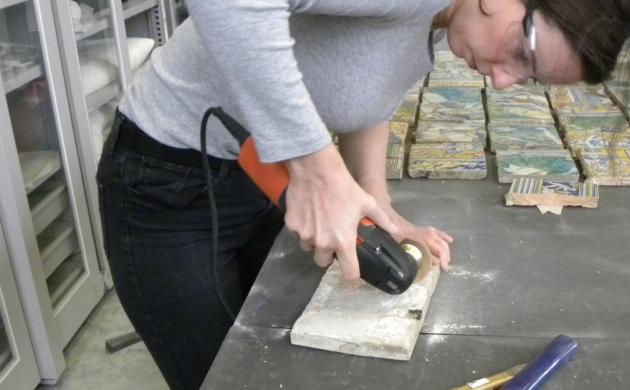
The tile panel 'The Conversion of Saul' is one of the most important pieces of the MAS I Vleeshuis collection, the collection of applied arts and history from the city of Antwerp.
When the Hutlet Family moved to America it was a major undertaking. They took their eight children with them as well as a lot of familiar household effects from home with them on their exciting journey to an unknown country.
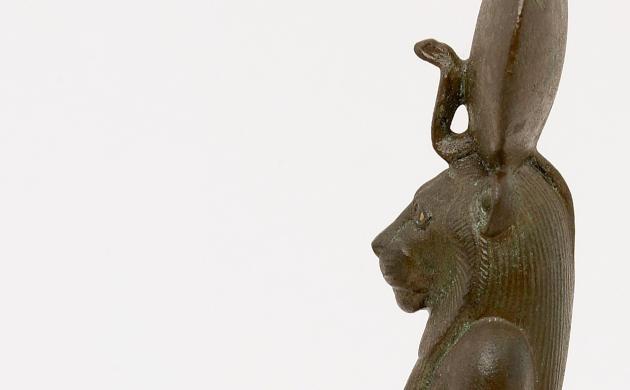
Cultural objects from Ancient Egypt in the MAS collection remain highly sought-after loans. The MAS is now lending five objects featuring depictions of women for a temporary exhibition at the Musée du Malgré-Tout focusing on women in Ancient Egypt.
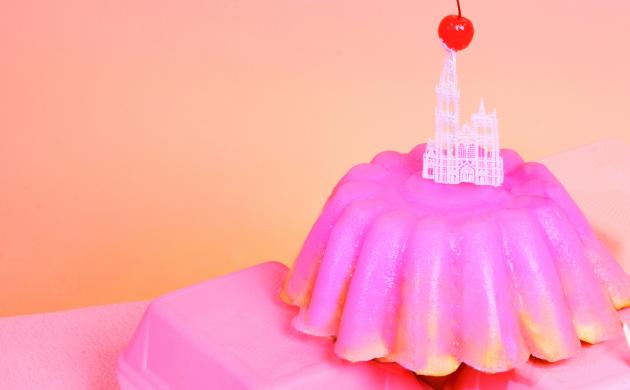
The exhibition reveals the intimate relationship between the city and food, from the sixteenth century to the distant future. Follow the trail of food in the city and find out how what we eat has left its mark on the map of Antwerp.
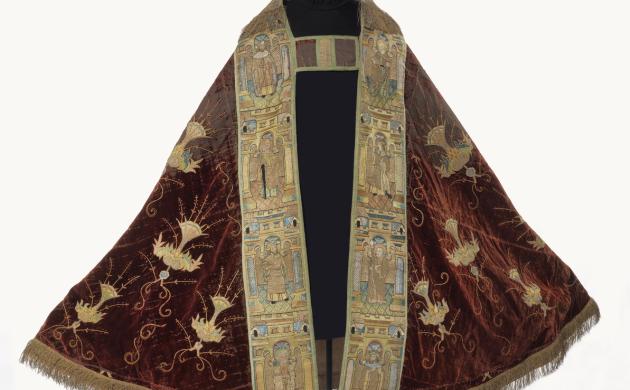
This choir hood is a luxurious robe from around 1500 and is a fine example of the so-called "opus anglicanum". It is one of the few surviving examples that ended up in Flanders. For Antwerp, the image on the choir hood is very special.