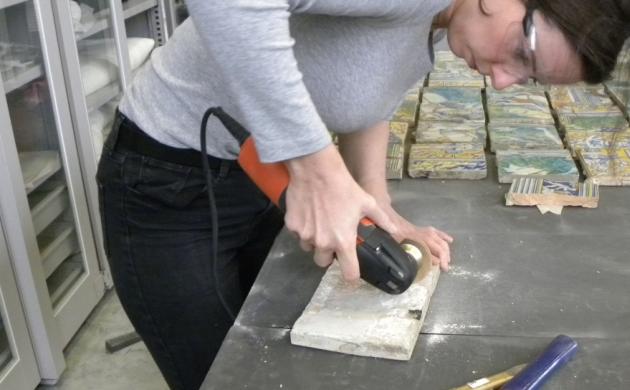
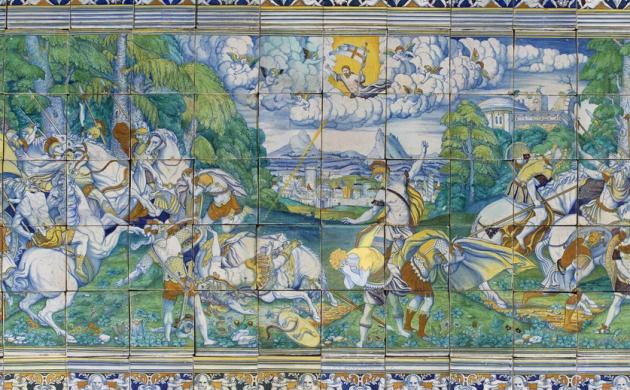
The tile panel 'The Conversion of Saul' is one of the most important pieces of the MAS I Vleeshuis collection, the collection of applied arts and history from the city of Antwerp.
Concealed behind Dutch Ethical Policy there was the reality of resistance to colonial rule being violently suppressed through so-called ‘pacification’ campaigns. Christoffel became simultaneously one of the most notorious agents of these campaigns and one of the most highly decorated.
Antwerp was a particularly popular port of emigration among Jews from Central and Eastern Europe. These people constituted a sizeable proportion of the Red Star Line’s passengers. The shipping company recruited its “customers” from deep within Eastern Europe.
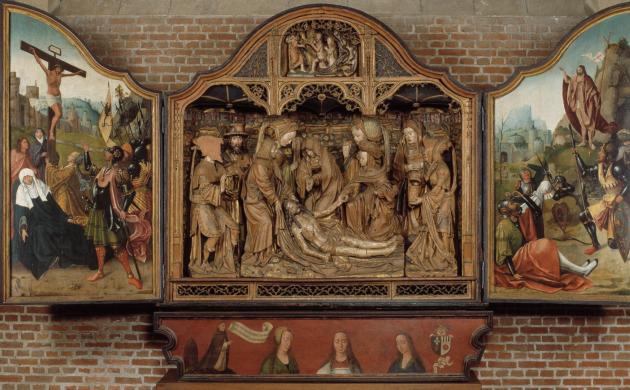
In 1873, the Antwerp Museum of Antiquities purchased a 16th-century retable of the Averbode Abbey, depicting the Lamentation of Christ. 150 years later, it is given on long-term loan to the abbey and thus returns home.
Are you looking for a cultural teambuilding event for your employees? Check out our selection of tours and city walking tours. If you are also looking for an intercultural approach then a tour that highlights personal experiences is a possibility.
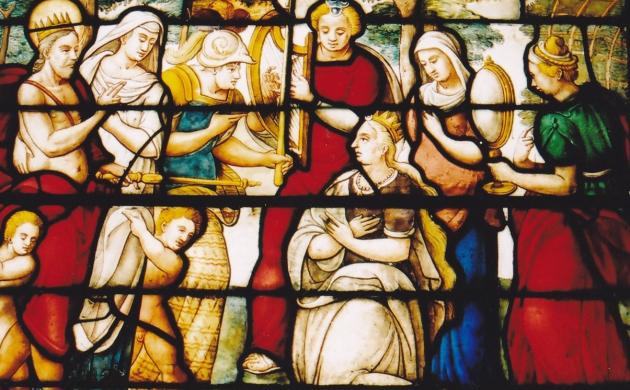
The MAS collection contains a number of beautiful stained-glass windows from the 15th, 16th and 17th centuries. Two of the rare intact examples are listed as Flemish masterpieces: rather large stained-glass windows from around 1600 depicting the Mystical Marriage of Christ.
The tile tableau from 1547 is a rare witness to early majolica production in Antwerp, a typical Renaissance phenomenon. The Saulus tableau is a piece of indispensable cultural heritage for Flanders.
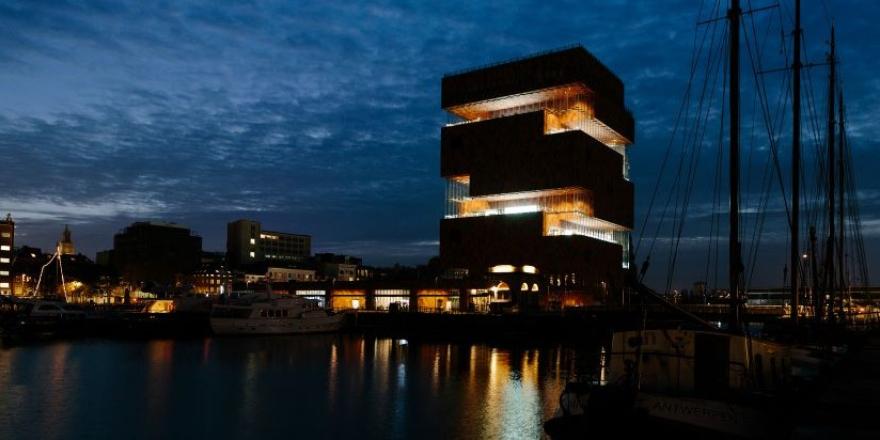
In this impressive warehouse, all the museum rooms are stacked like boxes. Follow the Boulevard with its metres-high glass windows as it spirals upwards, and enjoy an incredible view of the city from every level.