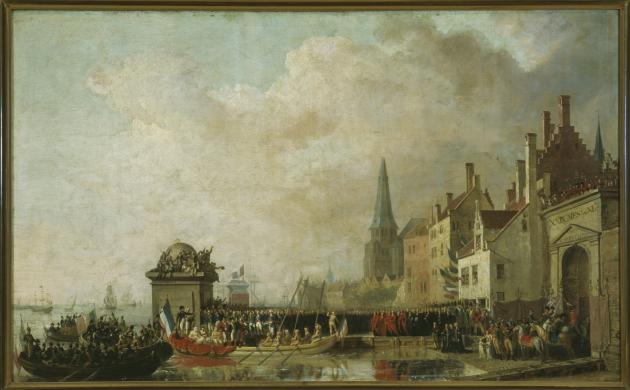
Napoleon's visit to Antwerp in 1803 was a high point for the city on the Scheldt. Joséphine de Beauharnais, Napoleon's wife, ordered a painting to immortalise the entry. This is a preliminary sketch for that.
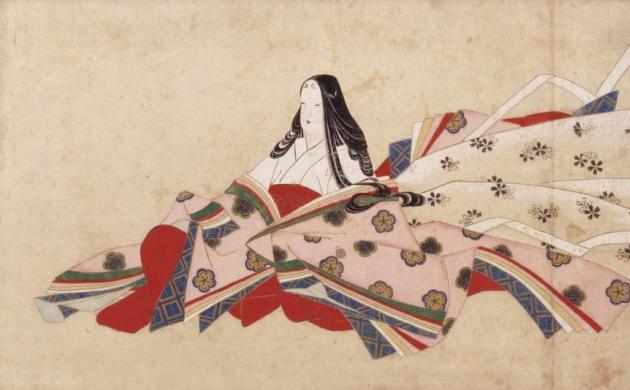
The nine contemplations on the impurity of the human body depicts how finite the human body is. Japanese monks used such series as an aid to their meditation.
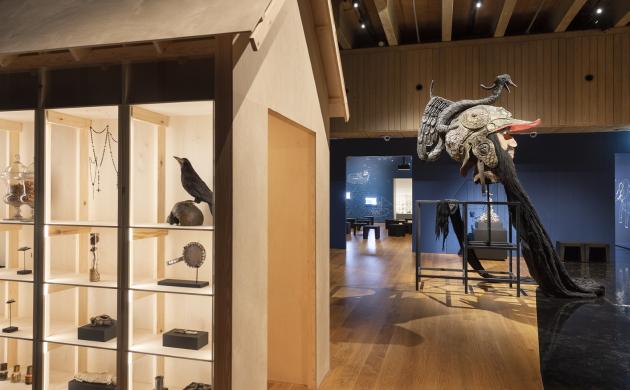
You could admire these collection pieces in other exhibitions, both in domestic and foreign museums. An overview of the objects we gave on loan in the past.
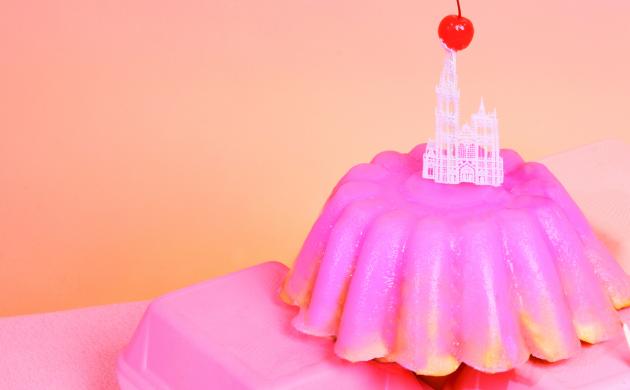
The exhibition reveals the intimate relationship between the city and food, from the sixteenth century to the distant future. Follow the trail of food in the city and find out how what we eat has left its mark on the map of Antwerp.
People have been fascinated by power for centuries. Why is power so seductive? What kind of prestige accompanies it? A highly topical theme in which – who knows? – you may find some personal relevance.
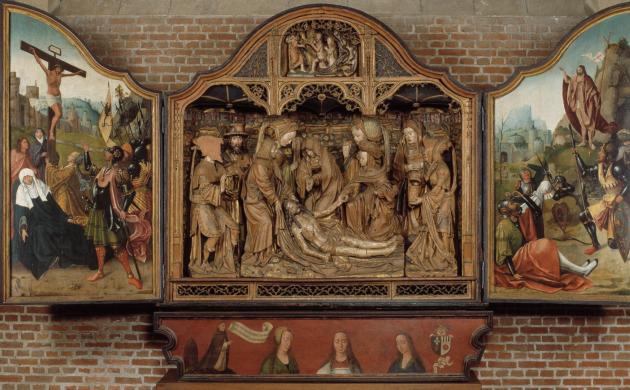
In 1873, the Antwerp Museum of Antiquities purchased a 16th-century retable of the Averbode Abbey, depicting the Lamentation of Christ. 150 years later, it is given on long-term loan to the abbey and thus returns home.