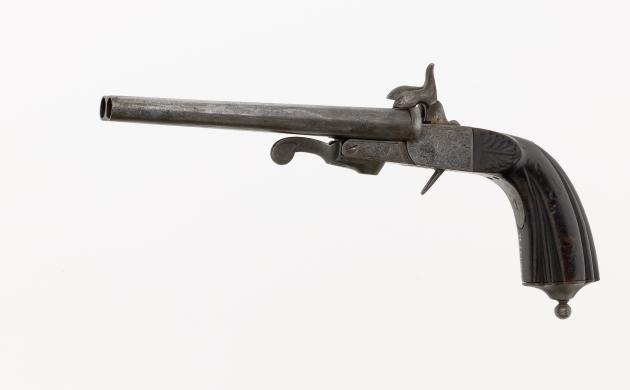
The exhibition “Colonialisme. Une Suisse impliquée” is on view at the Château de Prangins (National Museum of Switzerland) through October 11, 2026. For this exhibition, the MAS loaned a cane (made in Kalimantan) and a European-made pistol.
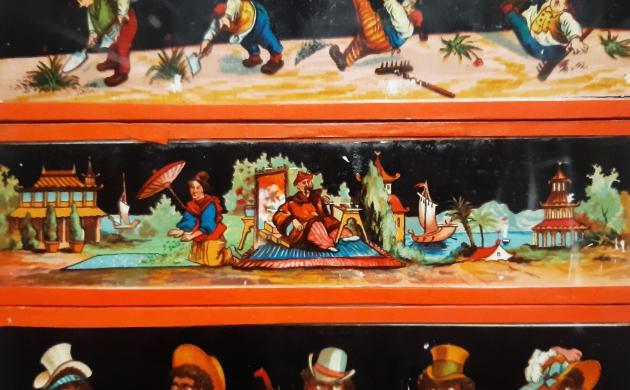
The MAS started digitizing its collection of thousands of slides. These slides that used to be projected with a magic lantern, are finally seeing the light of day again.
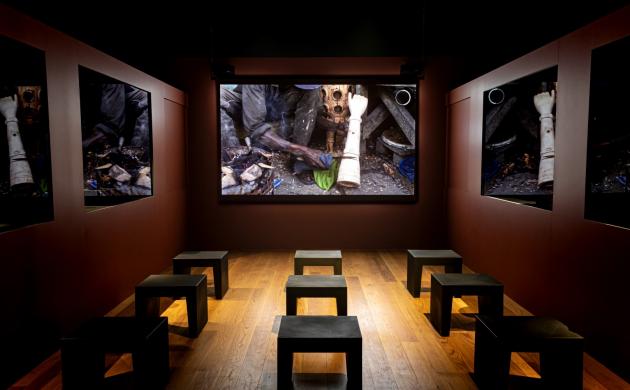
In the multimedia project 'In many hands' twenty-five people shine their light on the Congolese collection of the city of Antwerp. They speak about an object of choice from the one hundred highlights in the exhibition.
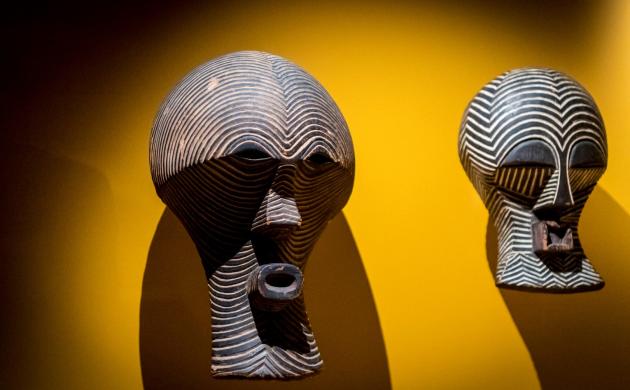
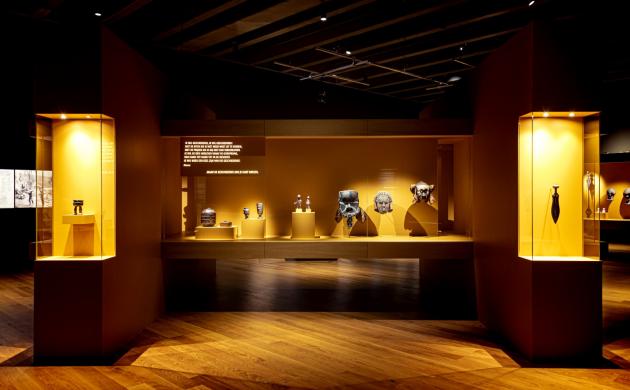
The MAS preserves culturally and historically sensitive Congolese heritage. In what circumstances did this collection of approximately 3,800 cultural objects come into being? A two-year research project will map this out more clearly.
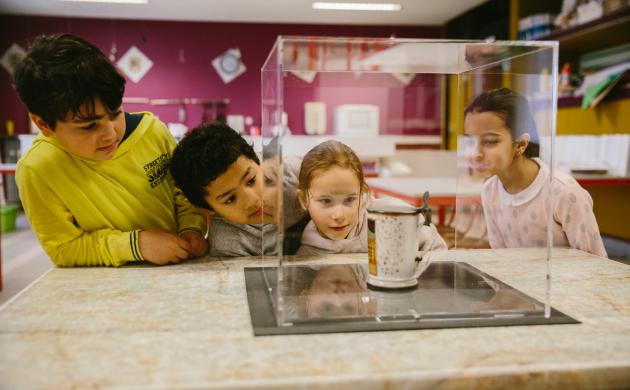
Communities and individuals as well as museum and academic partners contribute to the MAS stories. For each project, partners complement each other's knowledge and talents.
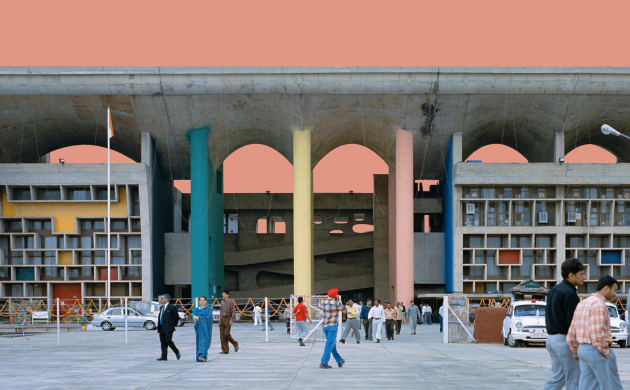
CLOSED - How do residents make use of a city after the architect has gone? And what does the area of Linkeroever in Antwerp have to do with the Indian city of Chandigarh? Discover how residents live in a carefully designed city and learn about the underlying vision of the famous modernist architect Le Corbusier. Exhibition 6/04/2019 - 18/08/2019
Le Corbusier (1887-1965) was an architect who believed that the way a city is built can improve the lives of its residents. He drew up plans for Antwerp-Linkeroever that were never completed and he built an entirely new city in India called Chandigarh. This exhibition immerses you the ideas of Le Corbusier, but also lets you saunter through the streets of Chandigarh and take a look behind Linkeroever’s façades.
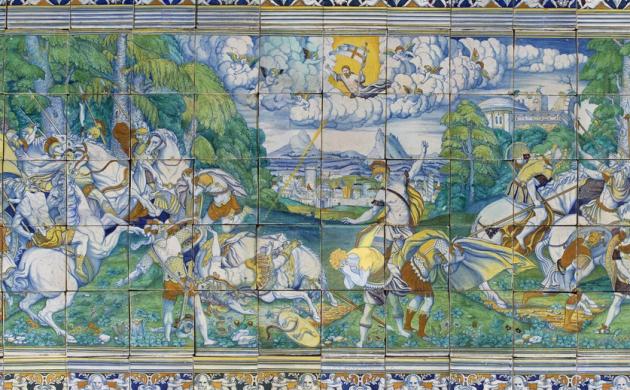
The tile tableau from 1547 is a rare witness to early majolica production in Antwerp, a typical Renaissance phenomenon. The Saulus tableau is a piece of indispensable cultural heritage for Flanders.
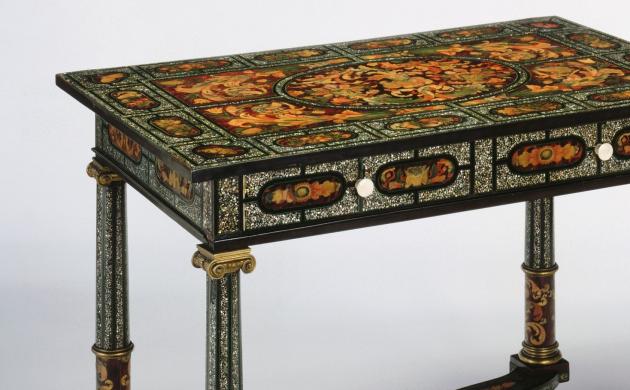
The Dutchman Pierre Gole made the exceptional ceremonial table for the castle of Vincennes, as commissioned by Louis XIV himself. It is one of the most important pieces of furniture in public ownership in Belgium.