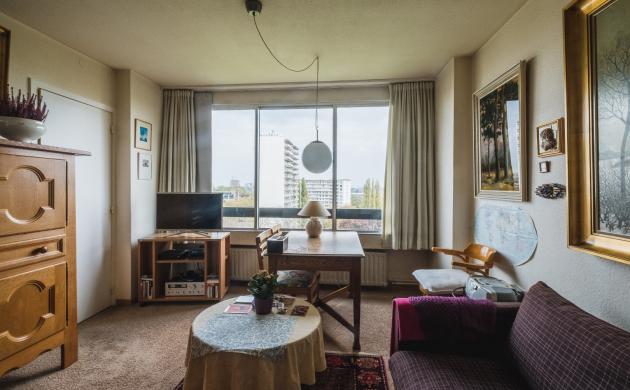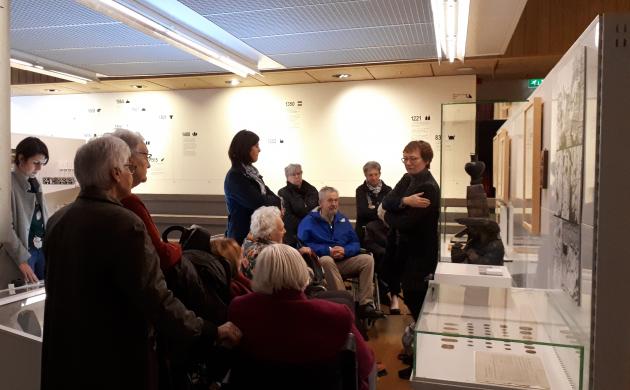
MAS strives to be as accessible and inclusive a place as possible. How do we welcome less mobile visitors, people with hearing or visual impairments, or those with autism spectrum disorders?
Except for a dozen or so loans, all the pieces on display in the exhibition come from the MAS collection. The objects have been chosen for what they portray, their significance or their (historical) story.
The well-being of our visitors and employees is very important to us. We ensure a safe and relaxing museum visit, but we do ask you to take and follow some precautions.
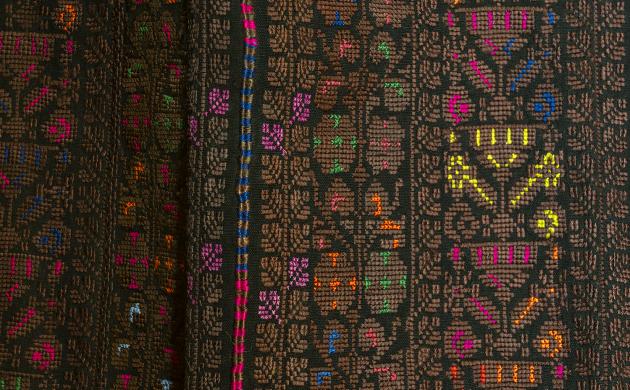
FREE ENTRANCE | Discover ‘Tatreez’ (Palestinian embroidery) in the Visible Storage. Historical pieces from the MAS collection are displayed alongside contemporary creations. The presentation shows how this centuries-old embroidery tradition is much more than just decoration on textiles.
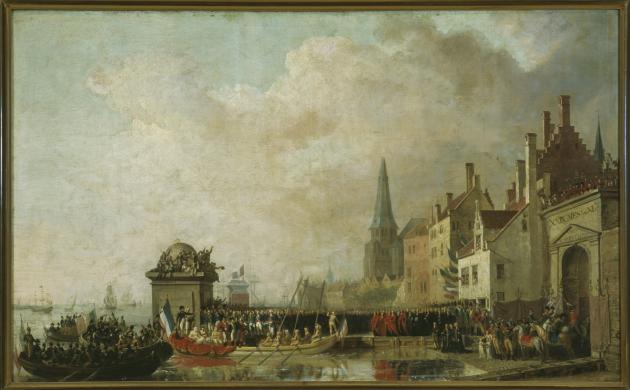
Napoleon's visit to Antwerp in 1803 was a high point for the city on the Scheldt. Joséphine de Beauharnais, Napoleon's wife, ordered a painting to immortalise the entry. This is a preliminary sketch for that.
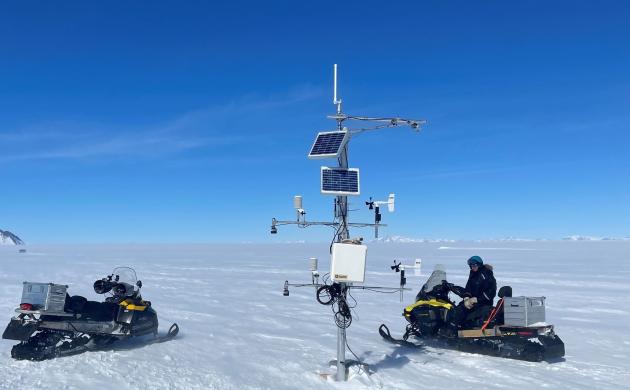
The exhibition also tells the story of Antarctica today. You will find out how scientists are still conducting groundbreaking scientific research there. This topical part of the exhibition was created in collaboration with the International Polar Foundation.
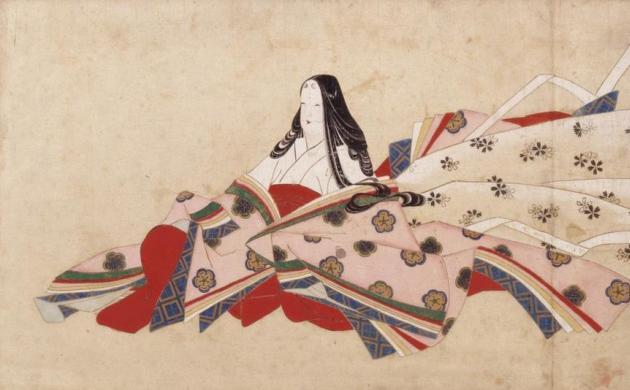
The nine contemplations on the impurity of the human body depicts how finite the human body is. Japanese monks used such series as an aid to their meditation.