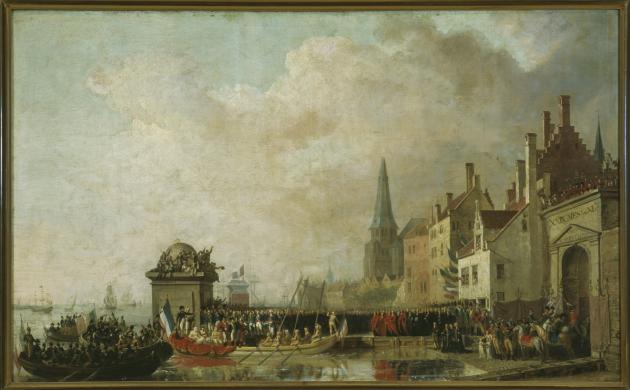
Napoleon's visit to Antwerp in 1803 was a high point for the city on the Scheldt. Joséphine de Beauharnais, Napoleon's wife, ordered a painting to immortalise the entry. This is a preliminary sketch for that.
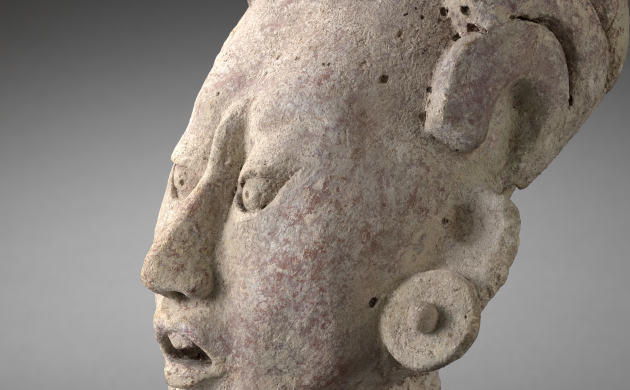
For the exhibition 'Postcolonial?' at the House of European History in Brussels, the MAS is lending an artefact from Mayan culture. It is an object from the collection of Paul & Dora Janssen-Arts.
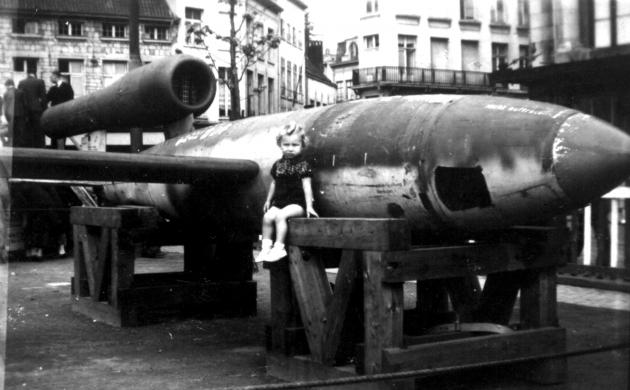
In the MAS pavilion, you can see where V-bombs fell on Antwerp and the scars they have left behind, by means of photographs, first-person testimonies and maps. You can even see a real V1-bomb from the MAS collection.
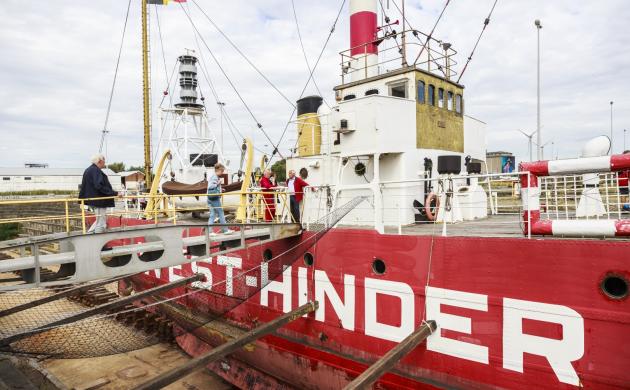
The MAS manages the largest collection of historical vessels in the country. For years, it was displayed under the shelters next to Het Steen, but after a spectacular relocation operation, the vessels found a new home at the Dry Docks site.
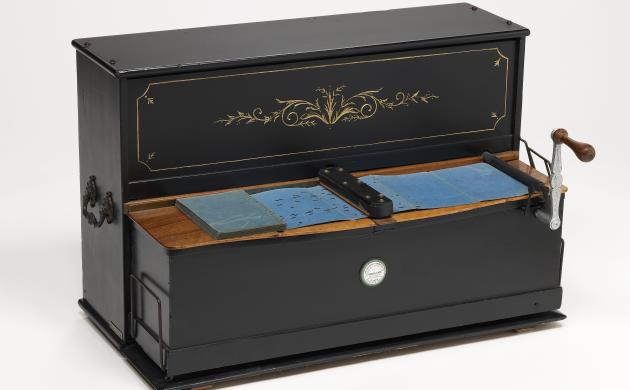
Except for a dozen or so loans, all the pieces on display in the exhibition come from the MAS collection. The objects have been chosen for what they portray, their significance or their (historical) story.
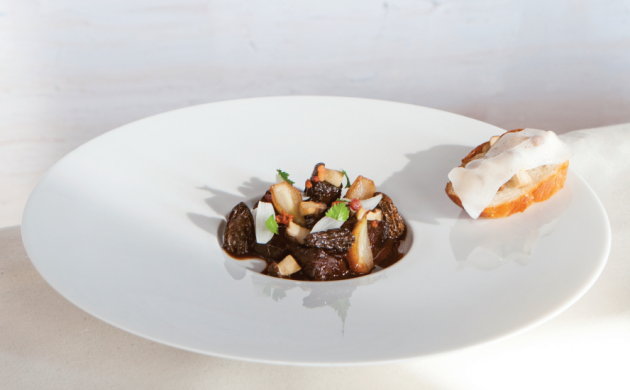
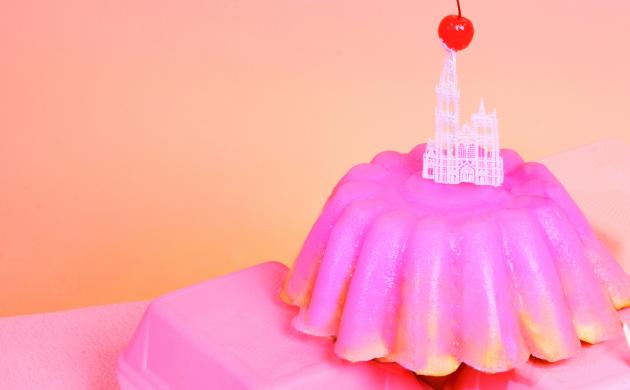
The exhibition reveals the intimate relationship between the city and food, from the sixteenth century to the distant future. Follow the trail of food in the city and find out how what we eat has left its mark on the map of Antwerp.
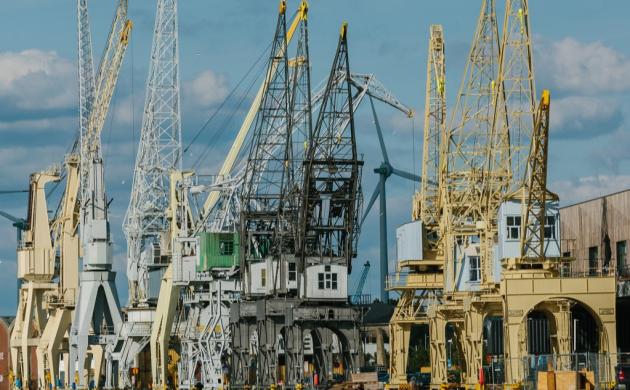
The MAS' largest and most impressive collection pieces can be seen on the Scheldt quays. And just in front of the MAS, you almost bump into the showpiece of our collection.