However, seemingly neutral terms such as ‘assembled’, ‘campaigns’ and ‘operations’ often obscure brutal realities. Acts of grave violence, carried out by Christoffel and his peers in the Royal Netherlands East Indies Army (KNIL) under Governor-General Jo van Heutsz’s (1851–1924) ‘pacification policy’, are well documented in historical sources and contemporary research alike. The provenance of this collection is inextricably linked to the broader history of colonial harm in the region.
In 1922, amid the numerous journeys and extended stays in Java and Kalimantan that followed his retirement, Christoffel placed his collection on loan with the Vleeshuis Museum in Antwerp. Shortly before retiring, he had married Adolphina van Rijswijck (1881–1960); his connection to the Van Rijswijcks, who were part of Antwerp’s political and social establishment at the time, undoubtedly contributed to this decision. After more than three decades on loan, Christoffel eventually sold the collection to the City in 1958. Following several moves within Antwerp’s museum landscape, the collection entered the MAS at its opening in 2011.
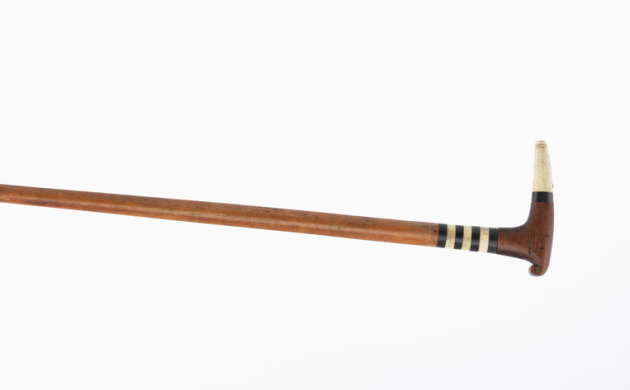
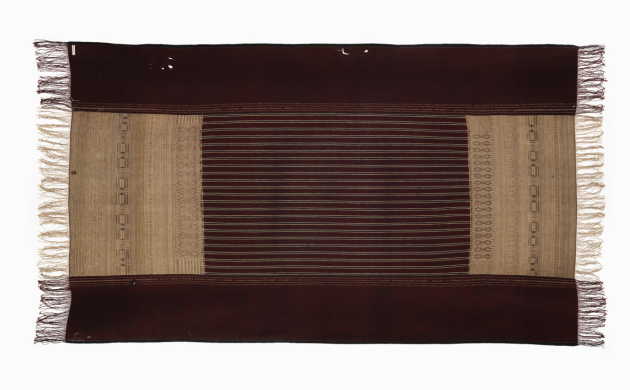
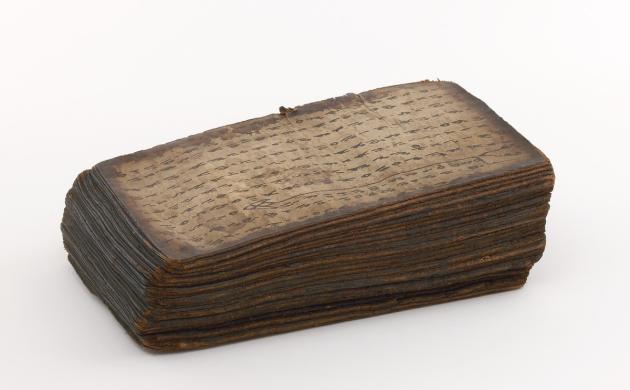
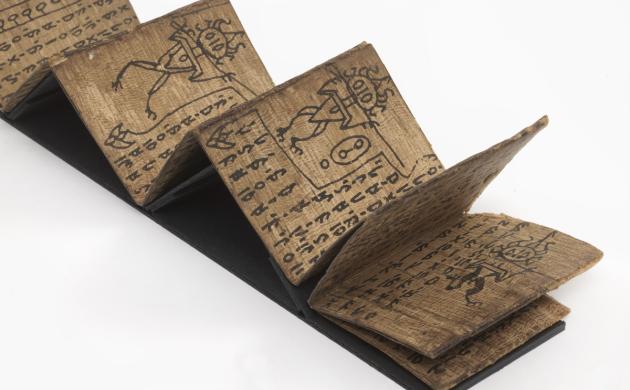
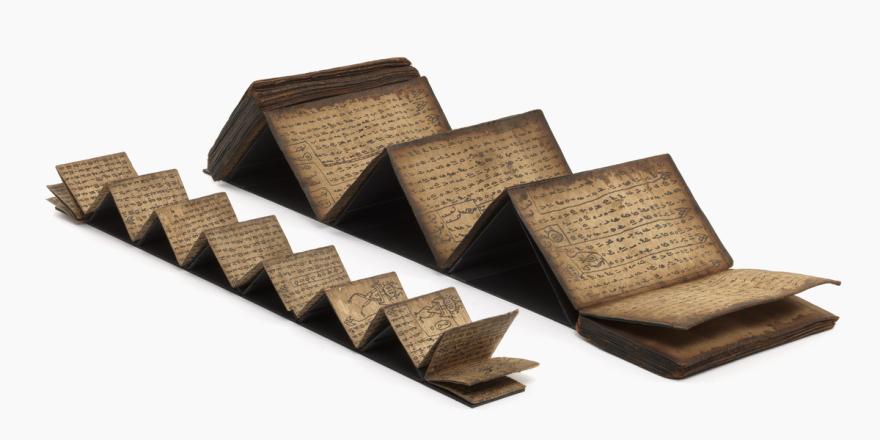
The collection comprises almost 1,200 artefacts, around half of which are weapons. Other items include clothing, flags and other textiles, silver and brassware, and books and photographs.
In 2019, the MAS embarked on a new project to improve transparency and facilitate dialogue regarding the collection. In close collaboration with partners both in Indonesia and internationally, the MAS is conducting research into the collection, its history and provenance, as well as the past and present significance of the artefacts for their source communities. This trajectory includes entering into dialogue with the communities of origin; contributing to the strengthening of ties among different stakeholders, including communities of origin, civil society actors and researchers; facilitating physical and digital access to the collection, and fostering public debate about the collection's displacement, as well as its present status and its future.
This collaborative provenance research project has been organized by the MAS and is being coordinated by Roselyne Francken, curator of the Asia Collection at the MAS. The MAS website serves as a platform for contributions from the various collaborators, highlighting their perspectives and concerns.