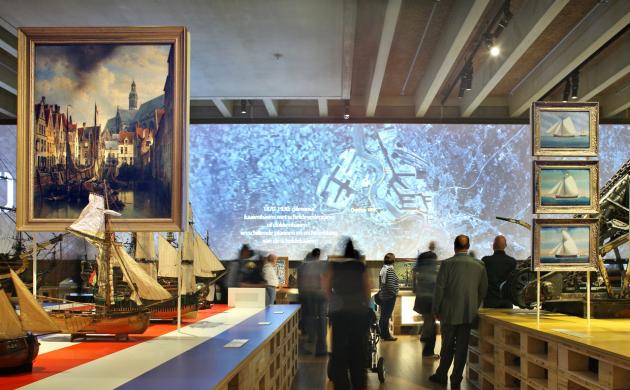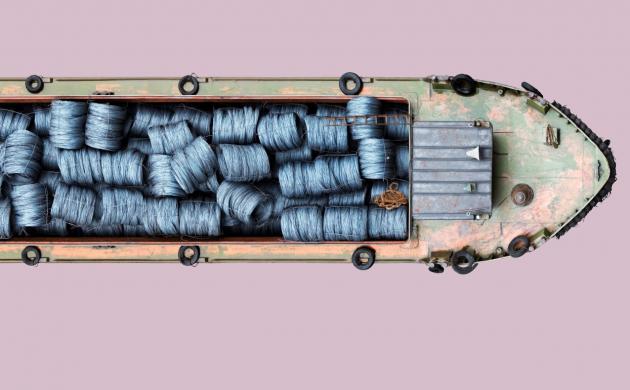
CLOSED | Once the largest port in the world, today the Port of Antwerp is characterised by colourful containers. It connects the city with the rest of the world. The exhibition 'Wordl Port' dived into the history of our port.
In 2020, Antwerp Shipping Company CMB (Compagnie Maritime Belge) celebrated its 125th anniversary. An ideal occasion to reflect on Antwerp as a maritime city. How did the various shipping companies and nations develop?
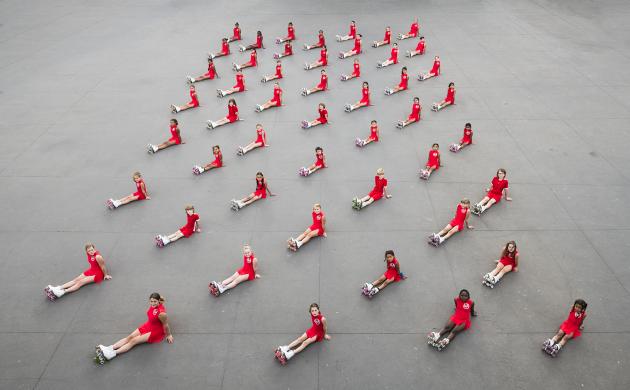
CLOSED | What can be heritage? What has value and what does not? A photo exhibition in the boulevard explored these questions. It showed the people behind the city's heritage. And the exhibition was complemented by online stories.
The MAS collection consists of more than 500,000 objects about art, cultural traditions and history of the city and port of Antwerp. But also of Europe, Asia, Africa, America and Oceania.
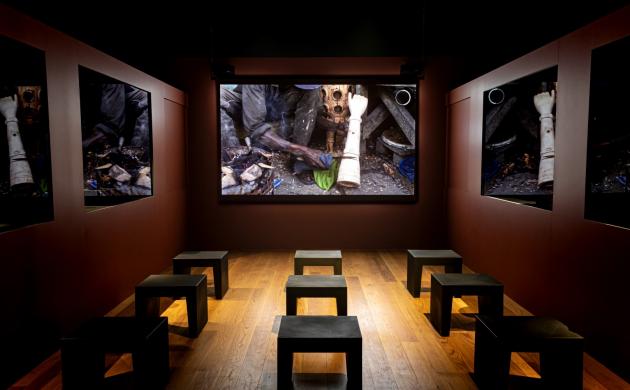
In the multimedia project 'In many hands' twenty-five people shine their light on the Congolese collection of the city of Antwerp. They speak about an object of choice from the one hundred highlights in the exhibition.
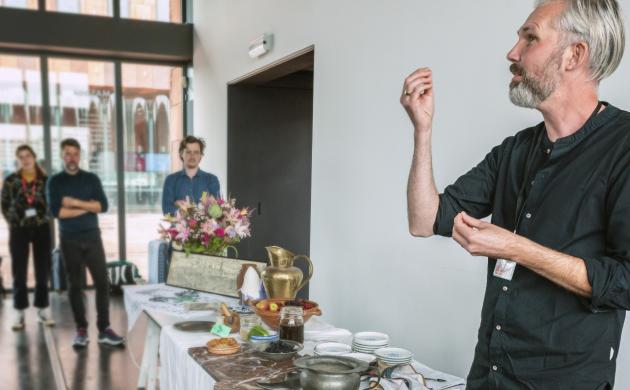
This conference, strongly linked to the theme of the MAS exhibition 'Antwerp à la carte', aimed to increase our awareness of food systems as dynamic cultural phenomena. The conference took place between 21-23 September 2022.
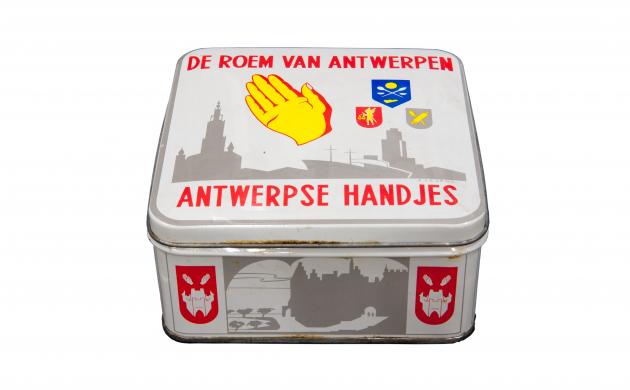
The Antwerp Hand biscuits are the most well-known tourist souvenir from the city. In the MAS collection, we find many packagings of the biscuits. However, behind the scenes of the little biscuit, there is more than one story to tell.
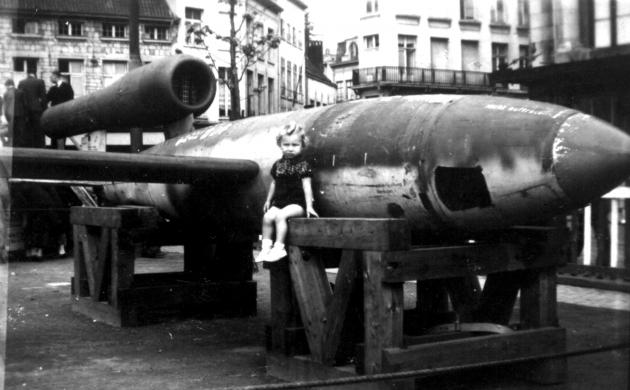
The MAS focuses on a piece of city history from the Second World War. In the pavilion, you can see where V-bombs fell on Antwerp and the scars they have left behind, by means of photographs, first-person testimonies and maps. You can even see a real V1-bomb from the MAS collection.
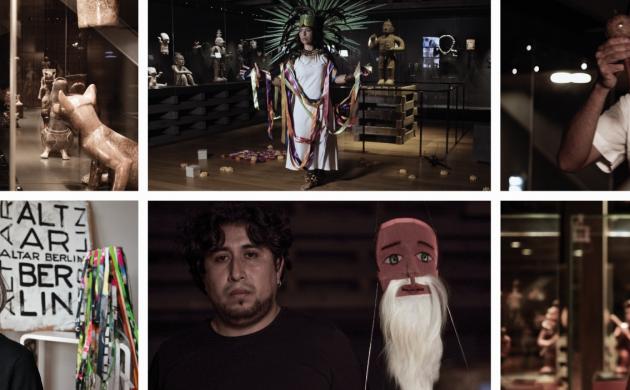
Since 2012, the Mestizo Arts Platform (MAP) collective has been maintaining and renewing the Altar of Antwerp: a participatory installation that invites us to reflect on the meaning of 'what we have lost' in the city. This has been a part of the MAS' permanent collection since 2017.