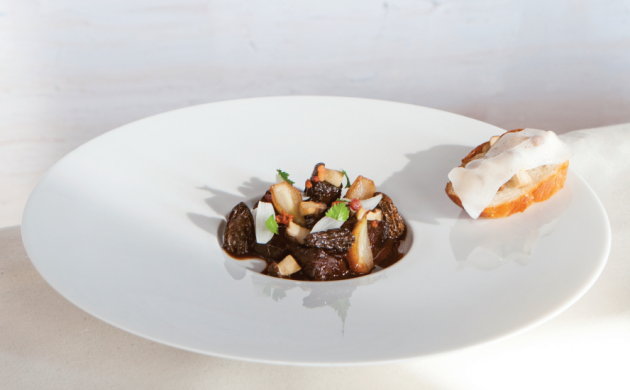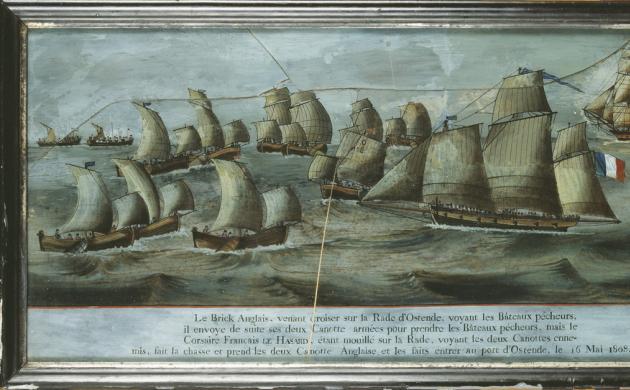
CLOSED - Vive Napoléon?! From 1794 to 1814 Antwerp found itself under French rule. This brief period had a considerable impact on the city and on the lives of its inhabitants...
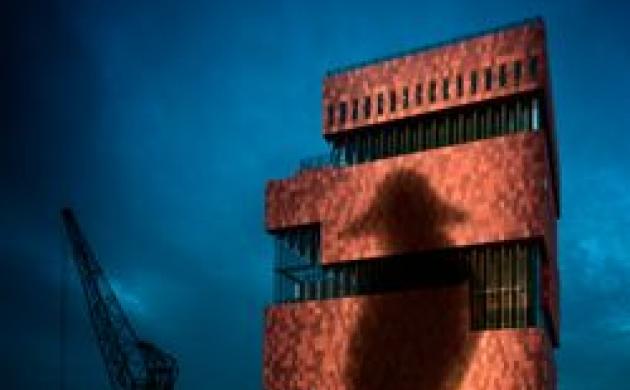
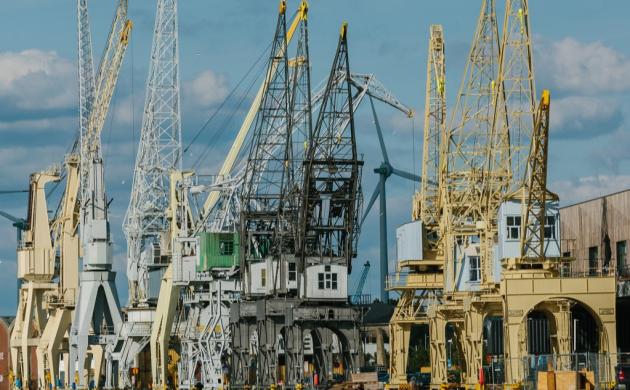
The MAS' largest and most impressive collection pieces can be seen on the Scheldt quays. And just in front of the MAS, you almost bump into the showpiece of our collection.
FREE ENTRANCE | The Visible Storage gives you a look behind the scenes of the MAS. More than 180,000 collection pieces on tall racks, stacked and labelled, await their turn to be exhibited.
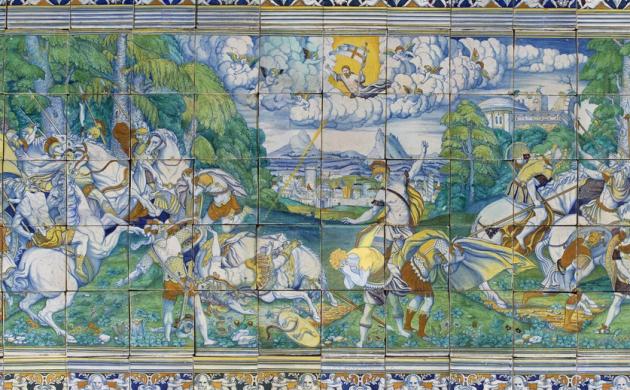
The tile tableau from 1547 is a rare witness to early majolica production in Antwerp, a typical Renaissance phenomenon. The Saulus tableau is a piece of indispensable cultural heritage for Flanders.
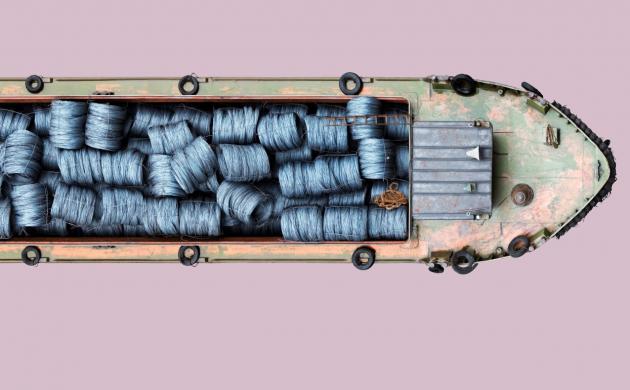
In 2020, Antwerp Shipping Company CMB (Compagnie Maritime Belge) celebrated its 125th anniversary. An ideal occasion to reflect on Antwerp as a maritime city. How did the various shipping companies and nations develop?
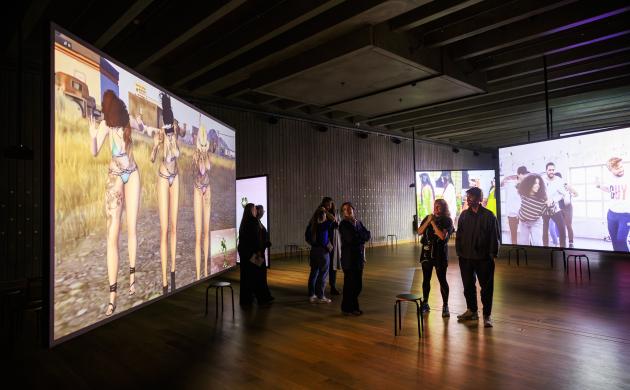
CLOSED | Anouk Kruithof showed that dance is a universal language in different (sub)cultures. You walked through a rousing video installation featuring some 1,000 dance styles from around the world. A four-hour film.
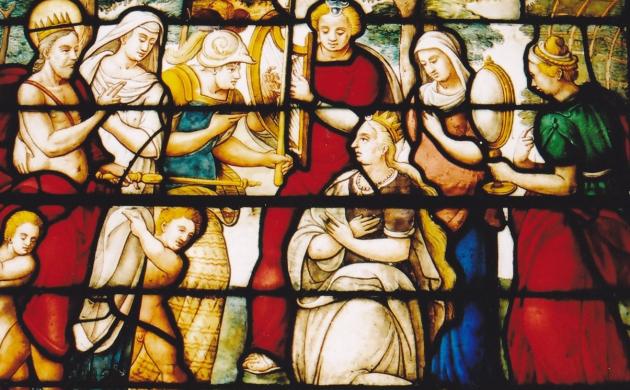
The MAS collection contains a number of beautiful stained-glass windows from the 15th, 16th and 17th centuries. Two of the rare intact examples are listed as Flemish masterpieces: rather large stained-glass windows from around 1600 depicting the Mystical Marriage of Christ.
Pierre-Yves Kairis (b. 1958) is a doctor of art history at the Université de Liège. He was closely involved in the restoration of “The Mystic Marriage of St. Catherine,” a painting by Michaelina Wautier.