CLOSED - In 'World city' you could be charmed by the numerous stories and anecdotes that Antwerp is rich in. A must for every Antwerp citizen so that he could become even prouder of his city, a must for every non-Antwerpian so that he finally understood the fuss around this world city.
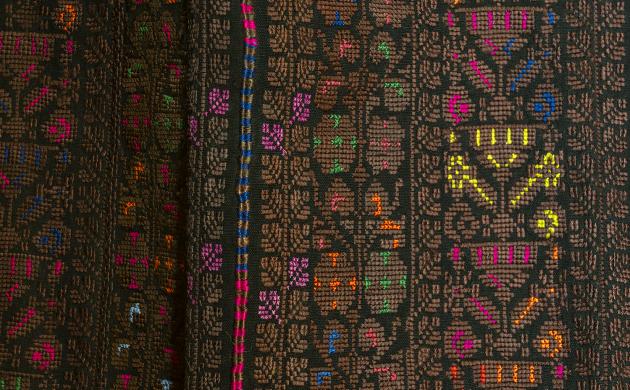
FREE ENTRANCE | Discover ‘Tatreez’ (Palestinian embroidery) in the Visible Storage. Historical pieces from the MAS collection are displayed alongside contemporary creations. The presentation shows how this centuries-old embroidery tradition is much more than just decoration on textiles.
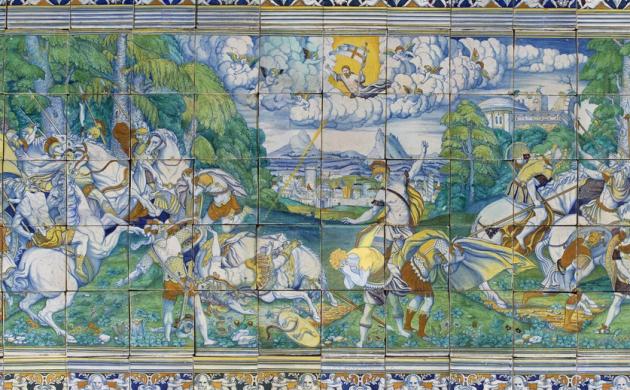
The tile tableau from 1547 is a rare witness to early majolica production in Antwerp, a typical Renaissance phenomenon. The Saulus tableau is a piece of indispensable cultural heritage for Flanders.
Except for a dozen or so loans, all the pieces on display in the exhibition come from the MAS collection. The objects have been chosen for what they portray, their significance or their (historical) story.
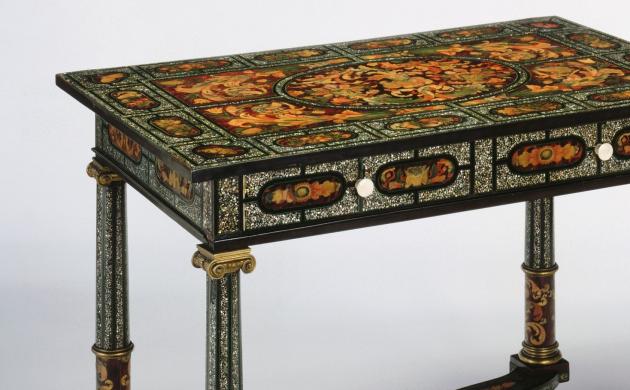
The Dutchman Pierre Gole made the exceptional ceremonial table for the castle of Vincennes, as commissioned by Louis XIV himself. It is one of the most important pieces of furniture in public ownership in Belgium.
CLOSED - Great art needs no explanation to touch people. Some works of art leave observers bewildered; others allow them to 'see' from a different perspective. The exhibition 'Encounters' was about a universal experience of art. Dancers in the exhibition were guides of sensibility for the observer; they reinforced the total experience.
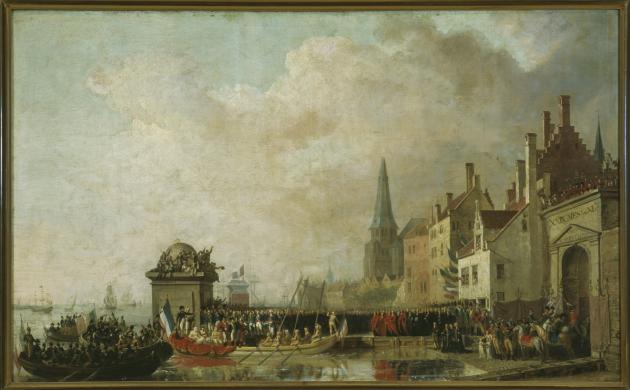
Napoleon's visit to Antwerp in 1803 was a high point for the city on the Scheldt. Joséphine de Beauharnais, Napoleon's wife, ordered a painting to immortalise the entry. This is a preliminary sketch for that.
The exhibition also tells the story of Antarctica today. You will find out how scientists are still conducting groundbreaking scientific research there. This topical part of the exhibition was created in collaboration with the International Polar Foundation.