Search

139 Results for "visite main portal PROBLEMGO.com buy probation instead of prison with more begin now no delay"
Palestinian embroidery

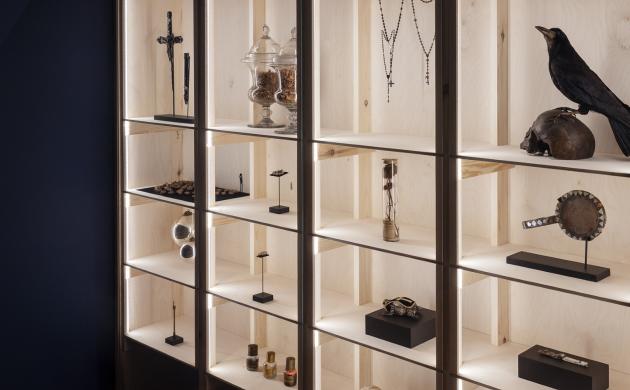
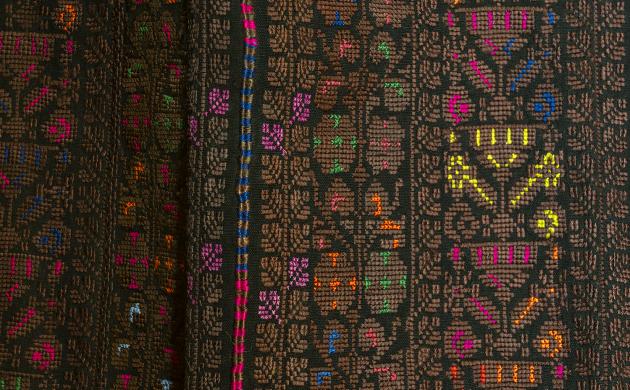
FREE ENTRANCE | Discover ‘Tatreez’ (Palestinian embroidery) in the Visible Storage. Historical pieces from the MAS collection are displayed alongside contemporary creations. The presentation shows how this centuries-old embroidery tradition is much more than just decoration on textiles.

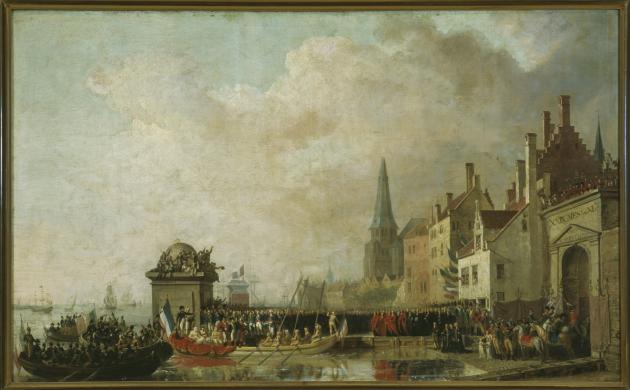
Study painting First entry of Napoleon to Antwerp

Napoleon's visit to Antwerp in 1803 was a high point for the city on the Scheldt.  Joséphine de Beauharnais, Napoleon's wife, ordered a painting to immortalise the entry. This is a preliminary sketch for that.

What's up?

Are you planning a visit alone or with the family? Will you be visiting with your class, school, company or a group? You'll find all kinds of activities here.

Look at '100 x Congo'

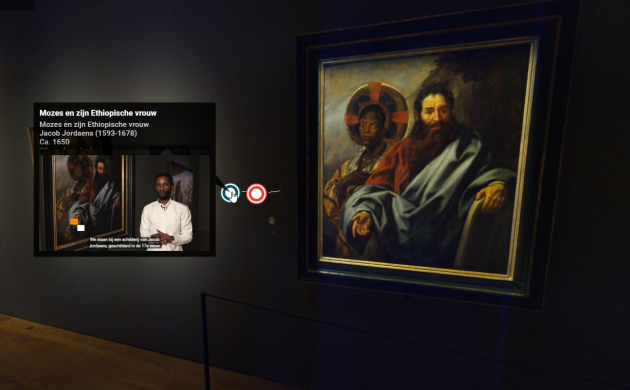
You didn't yet manage to come and see '100 x Congo' in the MAS? Or would you like to take another look at the exhibition after your visit? Our guide Baudouin Mena takes you through the museum hall in our digital exhibition and gives you some additional information. 

What's there to do

Are you planning a visit alone or with the family? Will you be visiting with your class, school, company or a group? You'll find all kinds of activities here.

Home

Welcome to the MAS. We ensure a safe environment during your visit but ask you to take some precautions.

Become a donor

Every donation, every gift – no matter how small – is more than welcome! Give to the MAS and become a patron!

What we preserve

The MAS collection consists of more than 500,000 objects about art, cultural traditions and history of the city and port of Antwerp. But also of Europe, Asia, Africa, America and Oceania.

Visiting the museum with your family

A family outing in the fascinating setting of the Red Star Line Museum is always fun. Everyone will enjoy it because the museum caters to everyone’s needs.

Provenance of the Congo collection

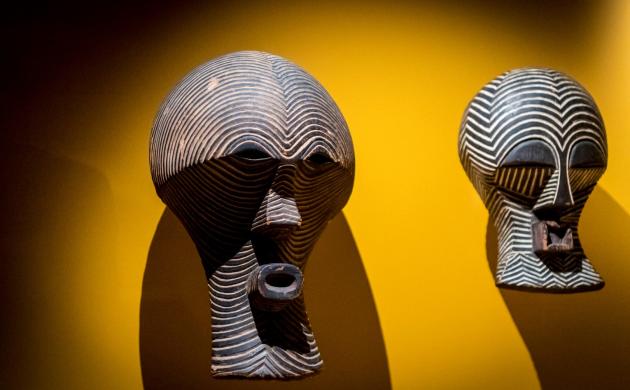
The MAS preserves culturally and historically sensitive Congolese heritage. In what circumstances did this collection of approximately 3,800 cultural objects come into being? A two-year research project will map this out more clearly.

Subscribe to our newsletter