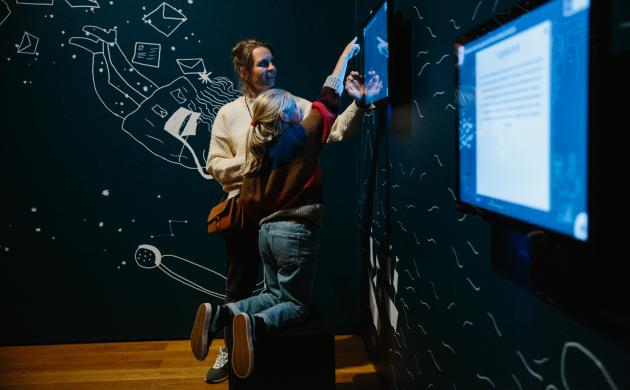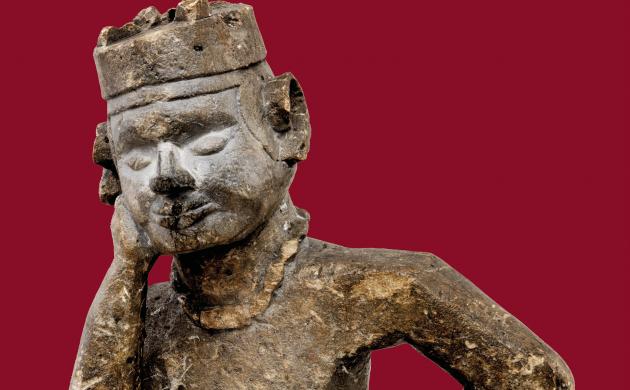
The exhibition '100 x Congo' focuses on one hundred unique Congolese works.What are the stories behind the Congolese objects? And how did they end up here? What was their significance to various Congolese peoples? And where lies the future of the collection?
Military violence and mass persecution of Jews and dissenters during World War II broke the city. Personal stories and objects make this period very tangible in this new permanent MAS exhibition.
CLOSED | What can be heritage? What has value and what does not? A photo exhibition in the boulevard explored these questions. It showed the people behind the city's heritage. And the exhibition was complemented by online stories.
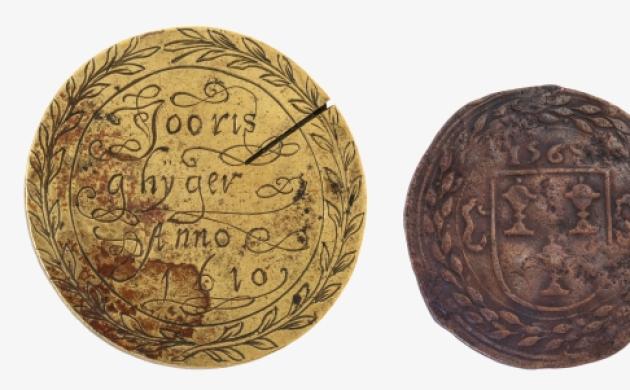
The MAS keeps an extensive and important collection of historical tokens and coins, among which these three masterpieces. They were made for the guilds or trades. These were professional and interest associations led by a dean elected by the members.
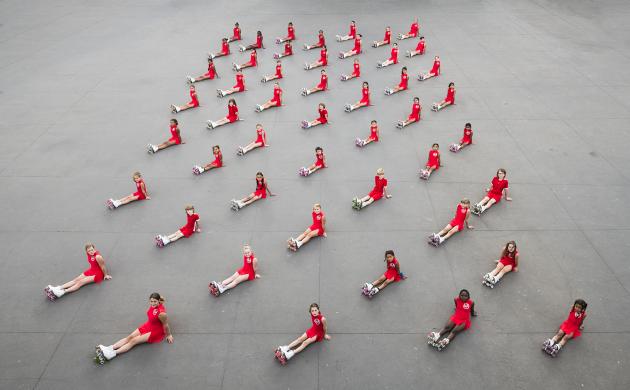
The organisation of the Games in Antwerp was a feat in and of itself, and were really groundbreaking. In this small exhibition, you can view posters, photos, trophies and more.
100 X Congo features one hundred highlights. What stories are hidden behind the objects? How did they end up here? What did they mean to Congolese peoples?
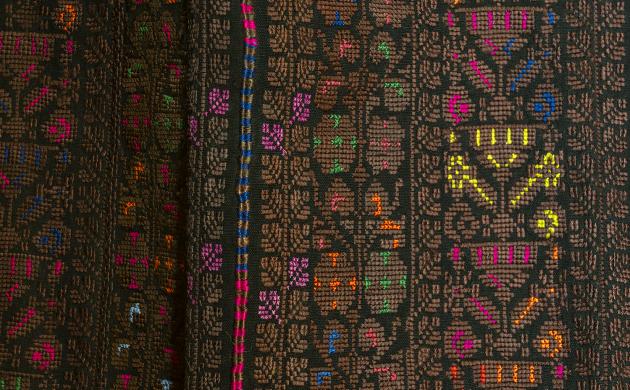
FREE ENTRANCE | Discover ‘Tatreez’ (Palestinian embroidery) in the Visible Storage. Historical pieces from the MAS collection are displayed alongside contemporary creations. The presentation shows how this centuries-old embroidery tradition is much more than just decoration on textiles.
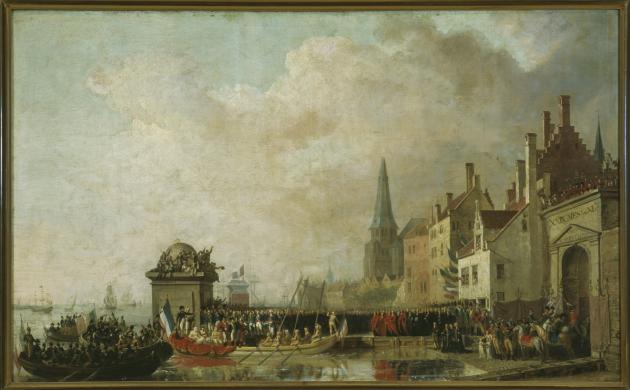
Napoleon's visit to Antwerp in 1803 was a high point for the city on the Scheldt. Joséphine de Beauharnais, Napoleon's wife, ordered a painting to immortalise the entry. This is a preliminary sketch for that.