Search

80 Results for "WA 0852 2611 9277 Harga Interior Ruang Tamu Foto Apartemen what Senayan Tangerang"

What is on display?

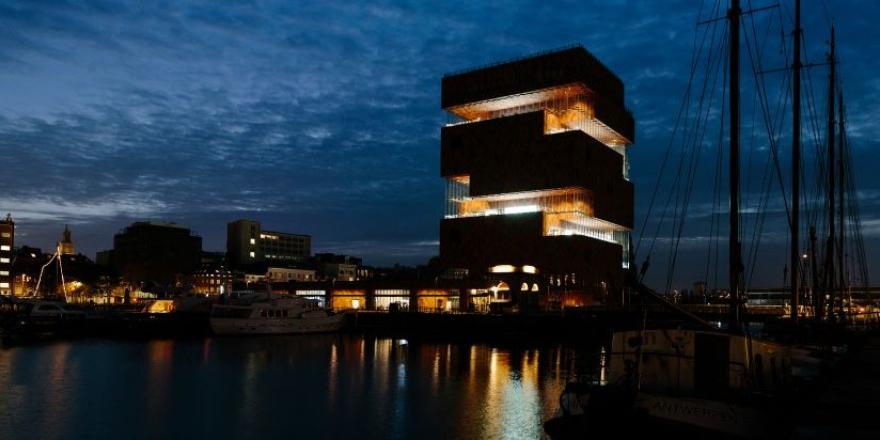
The MAS has a lot to offer. In addition to the permanent presentation there are also temporary exhibitions, the building, an extensive collection, etc.

What's up?

Are you planning a visit alone or with the family? Will you be visiting with your class, school, company or a group? You'll find all kinds of activities here.

What's on display?

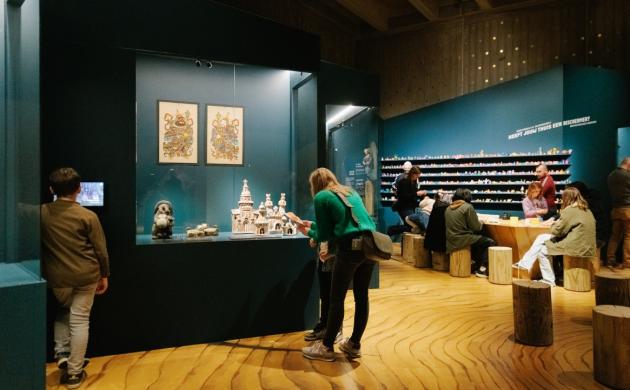
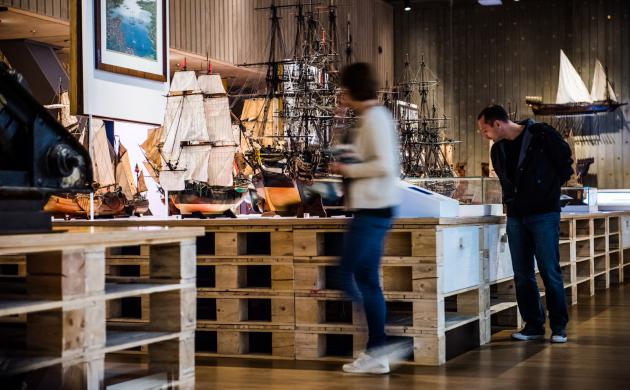
The MAS tells the story of centuries of contact between Antwerp and the world. You'll experience part of the tale on every floor.

What's there to do

Are you planning a visit alone or with the family? Will you be visiting with your class, school, company or a group? You'll find all kinds of activities here.

What we preserve

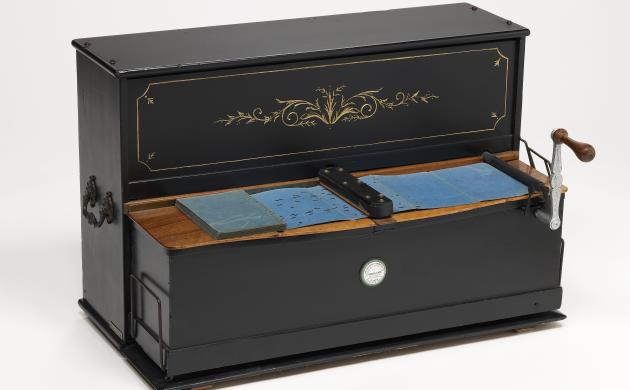
The MAS collection consists of more than 500,000 objects about art, cultural traditions and history of the city and port of Antwerp. But also of Europe, Asia, Africa, America and Oceania.

Objects in the exhibition

Except for a dozen or so loans, all the pieces on display in the exhibition come from the MAS collection. The objects have been chosen for what they portray, their significance or their (historical) story.

Everything of worth

CLOSED | What can be heritage? What has value and what does not? A photo exhibition in the boulevard explored these questions. It showed the people behind the city's heritage. And the exhibition was complemented by online stories.

City at war. Antwerp, 1940-1945

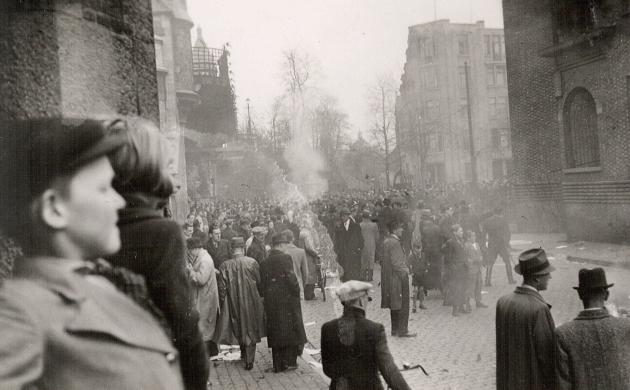
What does it mean to live in an occupied city? What choices did city residents make: flee, cooperate with the occupier or resist? The expo shows the impact of WWII on Antwerp and its inhabitants. What would you do? You'll find out together with the guide.

Tickets & Rates

Book your ticket(s) here. What are the rates and what if you want to come with a group? Or do you plan a school visit?

100 x Congo

A century of Congolese art in Antwerp

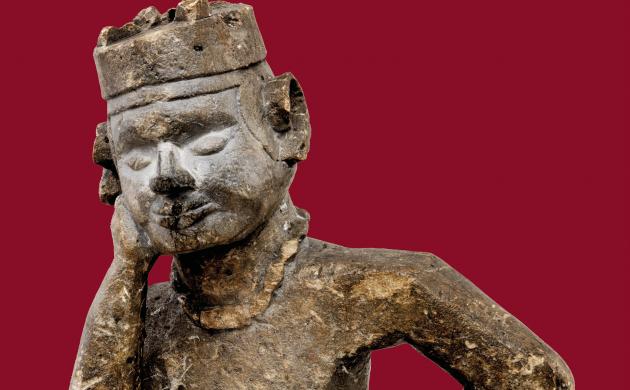
100 X Congo features one hundred highlights. What stories are hidden behind the objects? How did they end up here? What did they mean to Congolese peoples?

Subscribe to our newsletter