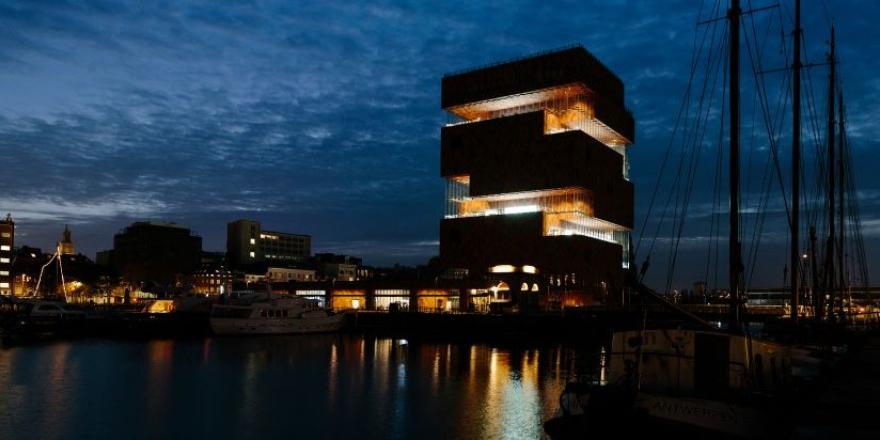
The Eilandje was the place where people gathered on their way to the New World. The magnificent Red Star Line steamers moored on the quay just before the bend in the Scheldt River. When the steam whistle announced an impending departure, the quay swarmed with activity. The Eilandje is currently a sought after place in the city.
Does the Red Star Line Museum hold a special place in your heart? Are you fascinated by the unique story that the museum tells? Was a member of your family a passenger on a Red Star Line ship? Welcome to the Museum family.
When the Hutlet Family moved to America it was a major undertaking. They took their eight children with them as well as a lot of familiar household effects from home with them on their exciting journey to an unknown country.
Abram Spiwak decided to follow his beloved Sophie to America. He did not have valid papers, but he tried his luck with the financial support of his family.
On Saturday 6 April 2013 the artist and filmmaker Hans Op de Beeck made “Dance”, a contemporary film about migration for the Red Star Line Museum. It was a cold spring day but the commitment and the enthusiasm of the 770 extras was heart-warming.
CLOSED - The youth crew of the MAS took over a floor of the museum. A unique exhibition revealed the animal side of the museum collection, with creative materials and a wild programme.
Antwerp was a particularly popular port of emigration among Jews from Central and Eastern Europe. These people constituted a sizeable proportion of the Red Star Line’s passengers. The shipping company recruited its “customers” from deep within Eastern Europe.
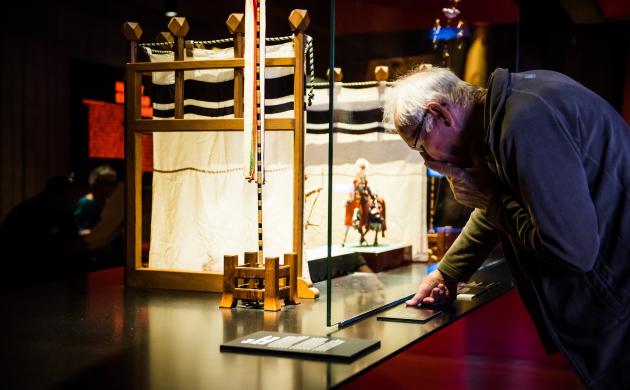
Japanese fashion also has a global impact. The exhibition showed how Japanese avant-garde fashion from the 1980s is still alive and well. Visitors were also exposed to Tokyo's colourful Cute Fashion.
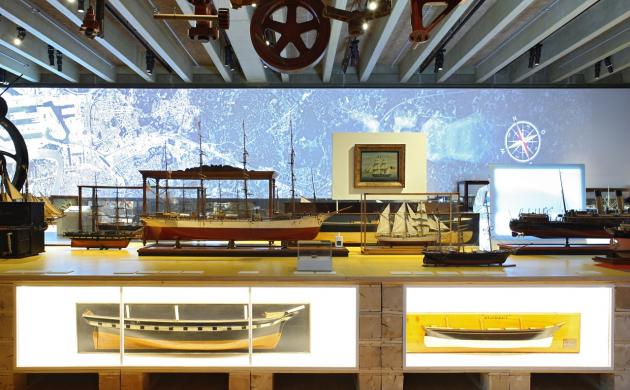
The MAS manages the largest collection of historical vessels in the country. For years, it was displayed under the shelters next to Het Steen, but after a spectacular relocation operation, the vessels found a new home at the Dry Docks site.
Flanders possesses a magnificent collection of movable cultural heritage. With the 'Masterpieces Decree', the Flemish government wants to protect these unique cultural objects. Based on the decree, a list of rare and indispensable objects was compiled. Some of them are part of the MAS collection.