Concealed behind Dutch Ethical Policy there was the reality of resistance to colonial rule being violently suppressed through so-called ‘pacification’ campaigns. Christoffel became simultaneously one of the most notorious agents of these campaigns and one of the most highly decorated.
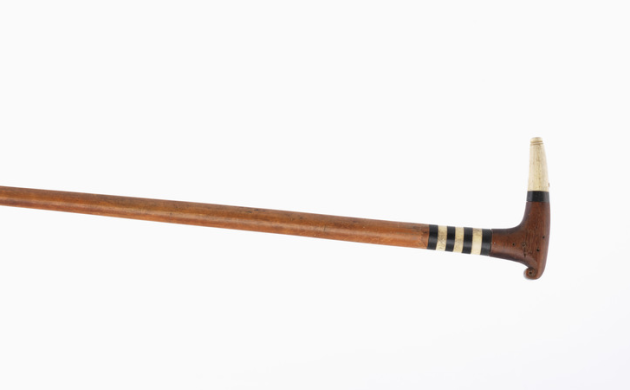
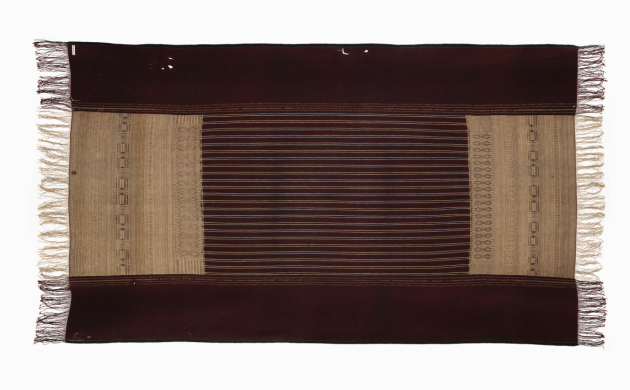
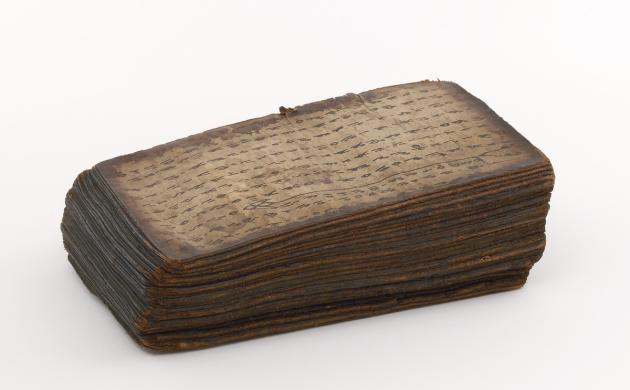
How are indigenous Batak belief systems preserved and transmitted today, and what challenges do the communities that practise them face? What meanings are held by the Batak artefacts ulos/uis, pustaha and tunggal panaluan within their communities of origin, and how has this changed over time?
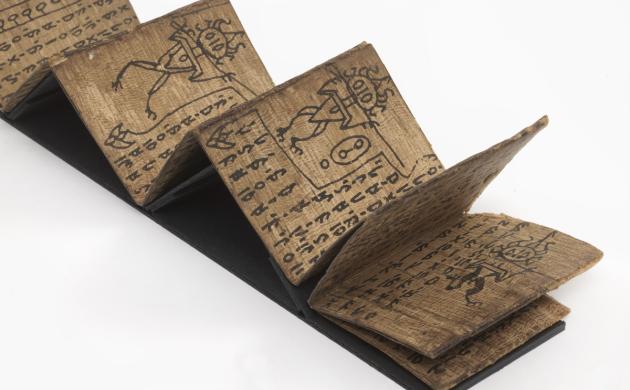
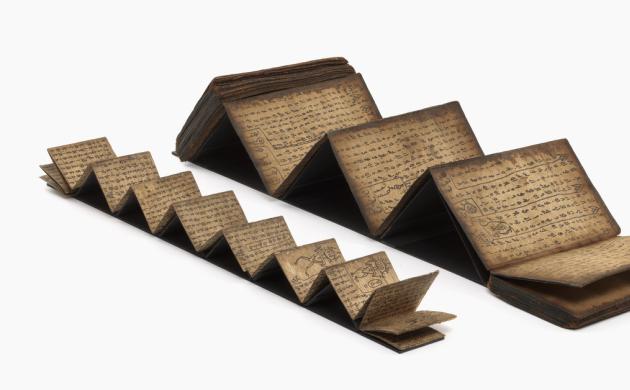
Two pustaha in the ‘Christoffel Collection’ have been identified in all likelihood as having been looted from Sisingamangaraja XII, a Batak ruler and national hero. What can palaeographic, linguistic and topographic analysis reveal about their provenance, history, and intended use?
Colonial collectors brought many pustaha into European museum collections, thus separating these books from their communities of origin. What happens to the knowledge that manuscripts contain when they are displaced and access to them is lost?
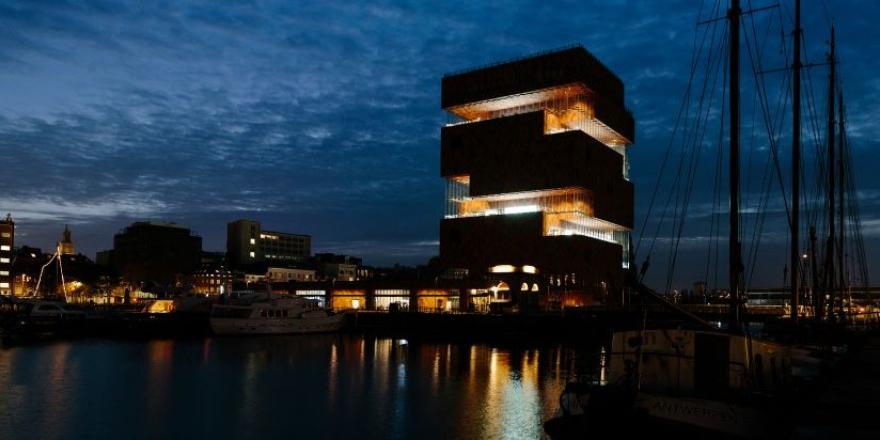
The MAS collection consists of more than 500,000 objects about art, cultural traditions and history of the city and port of Antwerp. But also of Europe, Asia, Africa, America and Oceania.